Winter Plumbing Protection: Simple Steps to Prevent Frozen Pipes

How to Prevent Frozen Pipes This Winter

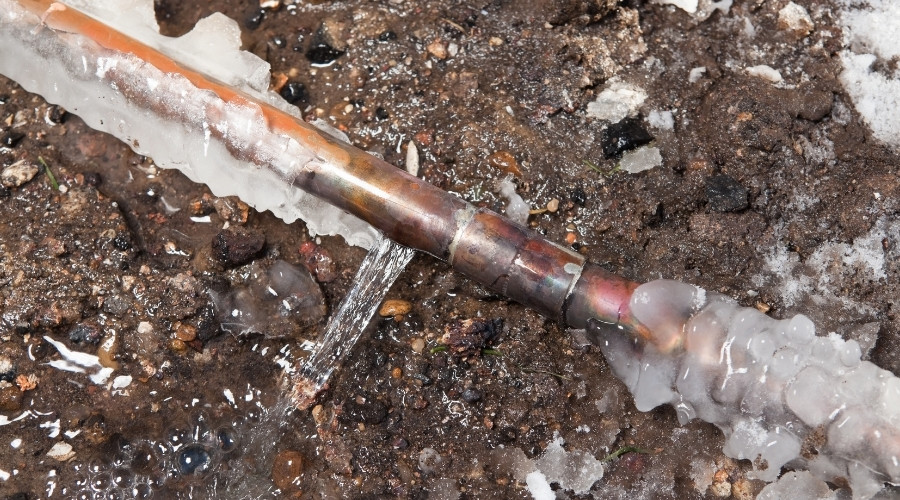
When winter arrives, plumbing systems face additional stress from low temperatures and cold drafts, especially in older or less-insulated homes. Frozen pipes can quickly lead to a pipe burst, causing water damage, expensive repairs, and major disruption. This post explains practical ways to protect plumbing during colder weather, offering an overview of insulating vulnerable pipes, using indoor heat wisely, and winterizing outdoor faucets to help prevent freezing pipes and related damage.

Insulate the Pipes

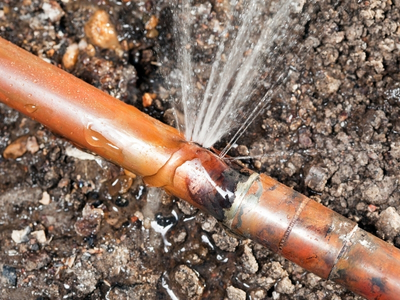
pipes One of the most effective defenses against frozen pipes is proper pipe insulation. Pipes running through unconditioned or drafty areas—such as attics, crawl spaces, unfinished basements, and garages—are especially vulnerable to freezing pipes. In these spaces, cold air circulates freely, and water inside unprotected lines can freeze, expand, and cause a pipe burst before anyone notices a problem.

Adding pipe insulation around exposed lines helps slow heat loss from the water inside. Foam sleeves, fiberglass wraps, or specialized insulating tape can be used to insulate pipes of different sizes and materials. Extra attention should be given to plumbing along exterior walls, near windows or doors, and in areas that have experienced frozen pipes in previous winters. Taking time to insulate pipes in these trouble spots greatly reduces the risk of a sudden burst pipe.

Pipe insulation also offers comfort and efficiency benefits. Insulated hot water lines tend to retain heat longer, reducing the wait for warm water at fixtures and limiting wasted water. For homes in regions with frequent cold snaps, investing in quality pipe insulation is a simple, cost-effective step toward long-term protection.

Keep the Heat on and Open Cabinets

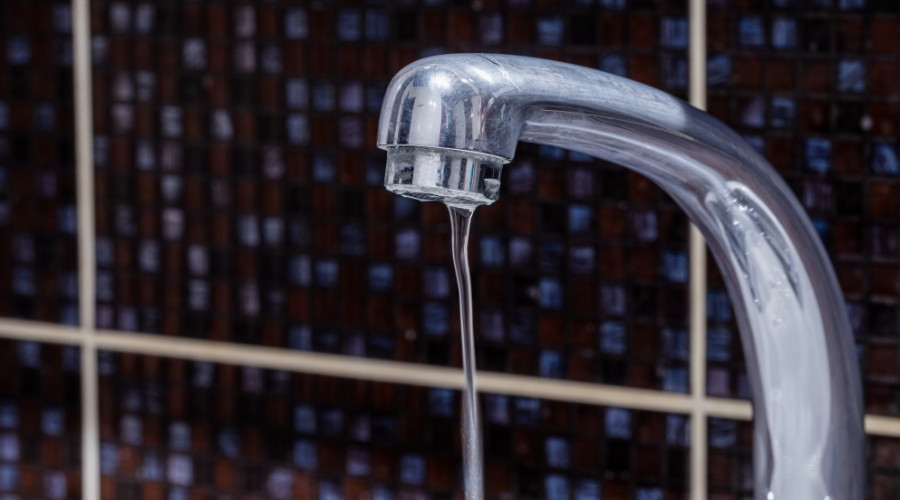
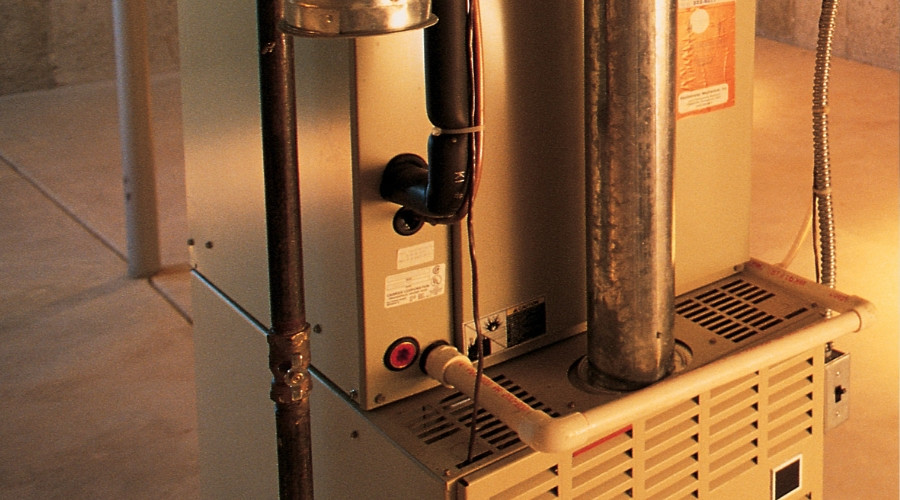
sinkIndoor heating is another critical factor in preventing freezing pipes. Keeping the heating system running and setting the thermostat to a consistent temperature during cold weather helps maintain warmer air throughout the home, including in cooler corners and along exterior walls. Allowing indoor temperatures to drop too low overnight or during absences increases the chances that water inside pipes will freeze, particularly in marginal areas such as basements, over-garage rooms, or add-on spaces.

Opening cabinet doors that hide plumbing is a small step that can make a significant difference. Cabinets under kitchen and bathroom sinks often contain pipes located against exterior walls. With doors closed, cold air can become trapped inside these spaces, lowering pipe temperatures quickly. Leaving cabinet doors open allows warmer room air to circulate around the pipes, helping prevent freezing.

Together, steady indoor heat and open cabinets work with existing pipe insulation to create multiple layers of protection. When combined with routine heating system maintenance to ensure reliable operation during the coldest nights, these practices significantly reduce the likelihood of a pipe burst and costly water damage.

Winterize Outdoor Faucets

Exterior plumbing fixtures face the harshest conditions in winter, making each outdoor faucet a priority for cold-weather preparation. Water trapped in exterior lines or attached hoses can freeze and expand, placing pressure on both the faucet and the interior piping that feeds it. Proper winterization greatly lowers the risk of freeze-related damage.

The process begins with disconnecting any hoses or attachments from every outdoor faucet. Hoses should be fully drained and stored indoors so that residual water cannot freeze and back up into supply lines. After hoses are removed, the indoor shutoff valve that controls water to each outdoor faucet should be turned off, if one is available.

Once the supply is shut off, open the outdoor faucet to drain any remaining water from the line. Allowing water to run until it stops helps ensure that little or no liquid remains to freeze inside the pipe. Leaving the faucet slightly open afterward allows for minor expansion if a small amount of water remains. As a final layer of protection, an insulating cover should be placed over each outdoor faucet to shield it from wind and cold air.

When hoses are disconnected and drained, interior shutoff valves are closed, lines are emptied, and every outdoor faucet is protected with an insulating cover, the overall risk of freezing pipes and a damaging pipe burst drops dramatically. Combined with efforts to insulate pipes and maintain indoor warmth, these steps form a strong defense against winter plumbing emergencies.

About B&L Plumbing and Heating

B&L Plumbing and Heating is a highly rated plumbing, heating, and cooling company providing tailored solutions from certified technicians in Colorado Springs and the surrounding areas. Call them today for quality products and competitive pricing on burst pipe repair service in Colorado Springs, CO.

Distribution Links +

Understanding Ductwork: When and Why It Needs Service

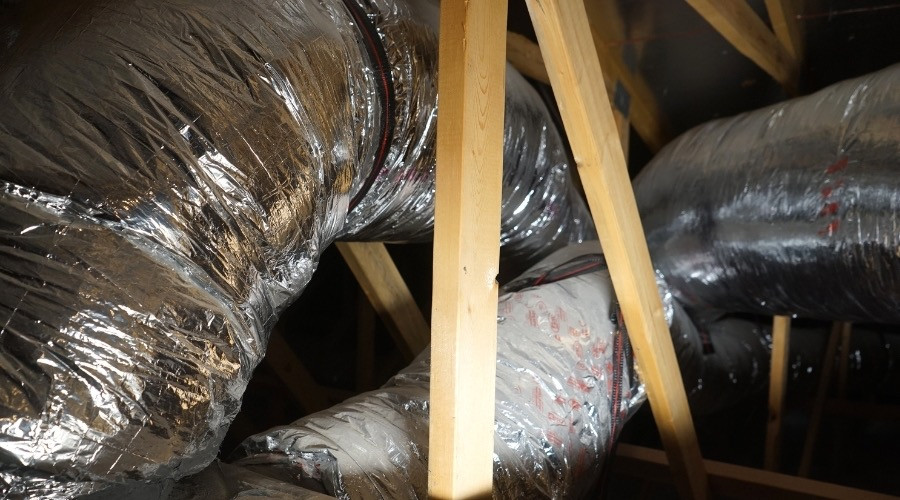
Ductwork in an attic space, showcasing insulated metal ducts and wooden framing, relevant to air duct maintenance and HVAC efficiency.

When Do the Air Ducts Need Professional Attention?

Ductwork is the hidden highway of an HVAC system, and small problems inside those passages can quietly raise costs and reduce comfort. This guide explains common indicators that point to air duct repair or ductwork repair, why air duct maintenance and air duct cleaning matter for airflow and indoor air quality, and how to think about longevity, from upkeep to ductwork replacement or air duct replacement when wear becomes extensive. The goal is to help restore efficiency, balance temperatures, and support healthier air throughout the property.

Signs Ductwork Repair Is Needed

Dust accumulation near an air duct filter, indicating potential air duct issues and the need for HVAC maintenance.HVAC systems often signal distress through the ductwork long before a full failure. Excess dust settling shortly after cleaning, faster‑than‑usual filter loading, or visible puffs at supply registers can indicate gaps that pull debris from attics, crawlspaces, or wall cavities. That infiltration then recirculates through the air duct network and affects comfort and cleanliness indoors.

Uneven temperatures between rooms are another red flag. Rooms that remain too warm while others run cool suggest leaks, disconnections, crushed flex runs, or undersized trunks preventing proper delivery. Weak airflow at certain vents, doors that move with system operation, or rooms that never reach set temperature all warrant a closer look. Whistling, rattling, or banging noises from ductwork can come from loose fasteners, separated seams, or internal obstructions. Rising utility costs without a clear cause frequently accompany these issues as equipment runs longer to overcome losses.

When these symptoms appear together, an inspection focused on sealing, support, and layout is prudent. Targeted air duct repair or broader ductwork repair—combined with testing to verify leakage reduction and balanced airflow—can restore performance, reduce noise, and stabilize comfort across zones.

The Importance of Air Duct Maintenance and Cleaning

Person using a duct cleaning brush attached to a vacuum hose, demonstrating air duct maintenance and cleaning for improved airflow and system efficiency.Air ducts operate out of sight, but conditions inside them influence everyday comfort and system efficiency. Over time, dust, pet dander, and construction debris can accumulate on internal surfaces. Without periodic air duct maintenance, that buildup can re‑enter rooms, settle on surfaces, and increase static pressure, making the blower work harder to move air. Regular air duct cleaning or ductwork cleaning helps remove accumulated material, supports consistent airflow, and can reduce hot‑and‑cold spots tied to restrictions.

Professional cleaning typically pairs debris removal with an overall condition check. Technicians can evaluate accessible joints and transitions, identify disconnected sections, and recommend sealing strategies to limit leakage that wastes conditioned air. Where insulation on duct exteriors has been compromised, restoring coverage helps reduce conductive losses in attics, crawlspaces, and garages. Register and grille cleaning, confirmation of proper filter fit, and inspection of return paths further support steady operation.

Maintenance is not only about cleanliness. If testing reveals notable leakage or airflow imbalance, sealing and minor layout corrections can provide outsized improvements. Together, air duct cleaning, sealing, and routine air duct maintenance form a practical path to healthier air movement, quieter cycles, and improved comfort with less effort from the HVAC equipment.

How Long Does Ductwork Last?

Ductwork can provide service for many years, but longevity varies with materials, installation quality, environmental conditions, and ongoing care. Rigid metal trunks and branches tend to be durable, while flexible lines require careful routing and support to prevent kinks, compression, and premature wear. Even robust materials fall short if seams are poorly sealed, spans lack proper hangers, or transitions are abrupt and turbulent.

Periodic assessment helps determine when repair or replacement makes sense. Signs that point toward planning ductwork replacement include extensive leakage across multiple runs, widespread insulation damage, persistent condensation problems, or layouts that no longer suit current equipment or room use. Where deterioration is localized, air duct repair may restore serviceability, but when defects are structural or pervasive, air duct replacement can reset performance, improve balance, and align the system with today’s airflow needs.

Upkeep extends life. Routine filter changes, sealing accessible joints, protecting ductwork from storage compression, and scheduling periodic performance checks all support dependable operation. When upgrades are considered—such as equipment with different airflow requirements—revisiting duct design ensures that the air duct system matches new static pressure targets and delivers the intended comfort in every space.

About B&L Plumbing and Heating

B&L Plumbing and Heating is a veteran-owned plumbing, cooling, and heating company that has provided trusted service to the communities of Colorado Springs and beyond for over 25 years. Call them today for tailored options and competitive pricing on air duct cleaning in Colorado Springs, CO.

Distribution Links +

Seeing These Signs Means It's Time for a Water Heater Replacement

Water heater with visible valve and plumbing tools, indicating maintenance or replacement needs in plumbing services.

When Is a New Water Heater Needed?

Homeowners often take their water heaters for granted until that dreaded moment when a cold shower strikes and the home is left without hot water. While some issues can be repaired, there are clear indicators that a water heater may be nearing the end of its lifespan and require replacement. This post will discuss some common signs indicating water heater replacement is needed.

Temperature Issues

Hand catching water from a chrome faucet, illustrating water temperature issues related to malfunctioning water heaters.One of the most noticeable signs that a water heater is struggling and needs professional attention is problems with water temperature. If the household is experiencing inconsistent or lukewarm temperatures, running out of hot water much faster than usual, or there is a complete lack of hot water, the water heater's ability to heat and maintain water temperature is compromised. 

A plumber should be called to inspect the water heater and determine the best solution, whether it be water heater repair or a replacement, as these temperature issues can stem from a variety of problems, including sediment buildup, a failing heating element, an undersized unit that can no longer meet the household's demands, and more. Professionals can help determine whether the issue and the water heating unit’s age point to the need for a replacement.

Leaks

Another sign that signals a water heater needs replacing is leaking. Whether homeowners notice a visible water heater leak or notice pooling water around the base of the unit, the water heater's tank may have corroded and developed a crack. Once a tank starts to leak, it cannot typically be repaired effectively and will only worsen over time, leading to potential water damage in the home. 

A leaking water heater is a critical indicator that the structural integrity of the water heater is compromised, and it should be replaced. When water heater corrosion has occurred, a new water heater installation is the safest and most reliable solution.

Age and Corrosion

Discolored water flowing from faucet into sink, indicating potential internal corrosion in water heater.Visible rust and corrosion on the water heater, along with other signs of corrosion, also signal that a water heater replacement is necessary. Rusty-looking or discolored hot water coming from fixtures, or water with a strange, metallic smell, are potential signs of internal tank corrosion. This corrosion compromises the integrity of the tank, leading to potential leaks. Addressing these signs promptly with a replacement can prevent extensive water damage to the home and ensure a safe and consistent supply of hot water.

The age of a water heater is also a significant factor in determining the likelihood of needing a replacement. Traditional storage water heaters typically have a lifespan of about 10 to 15 years. If the unit is within or has exceeded this age and starts developing issues, water heater replacement may be necessary. While some issues can be repaired, recurring problems in older units can indicate that the system is nearing the end of its useful life, often making replacement a more cost-effective and reliable solution in the long run compared to continuous repairs on an aging water heater.

About B&L Plumbing and Heating

B&L Plumbing and Heating is a family-owned and operated company serving Colorado Springs and the surrounding areas. They offer competitive, honest pricing, quality products, and customer education. Call them for water heater installation and replacement services in Colorado Springs, CO.

Distribution Links +

Air Conditioning 101: Back to Basics

Air conditioning unit installed outside a brick wall, illustrating central air conditioning system components relevant to HVAC maintenance and efficiency.

Important Air Conditioning Basics to Know

Understanding the fundamentals of air conditioning can improve energy efficiency, indoor comfort, and overall HVAC system performance. Whether cooling a single room or an entire building, knowing how different systems operate and when to seek professional help can prevent unexpected breakdowns. Regular maintenance and timely repairs also extend system lifespan and reduce energy consumption. A solid grasp of AC basics ensures smarter decisions when choosing, using, or servicing a cooling system.

Common Types of Air Conditioning Systems

Ductless mini-split air conditioning unit mounted on a wall, illustrating modern cooling technology relevant to HVAC system discussions.Central air conditioning systems use a network of ducts to distribute cooled air evenly throughout a home or building. These systems rely on a single outdoor compressor and an indoor evaporator coil to regulate temperature in multiple rooms. In contrast, ductless mini-split systems operate without ductwork and consist of individual indoor units connected to an outdoor condenser. This setup allows for zoned cooling, ideal for buildings without existing duct infrastructure or for controlling temperatures in specific areas.

Central AC systems are well-suited for larger homes or buildings that already have ductwork installed. These systems provide consistent cooling and are often integrated with heating systems for year-round climate control. Ductless mini-splits offer flexibility and can be more energy-efficient for smaller spaces or additions where duct installation would be costly. Installation of a mini-split also tends to be less invasive, making it a preferred choice for certain retrofits.

Both system types have their own advantages, depending on the size of the space, insulation, and cooling needs. Central systems excel at whole-home cooling, while ductless systems offer energy savings through zone-specific operation. Choosing the right system involves evaluating existing infrastructure and cooling goals. Energy efficiency ratings, such as SEER (Seasonal Energy Efficiency Ratio), also play a critical role in system selection.

Signs an AC Unit Needs Repair

Weak airflow or warm air coming from the vents can indicate compressor failure or issues with refrigerant levels. Unusual noises, such as banging, grinding, or squealing, often point to mechanical problems that require immediate attention. Persistent odors may suggest mold in the ductwork or burned-out wire insulation. In these cases, scheduling professional AC repair can prevent further damage and restore performance.

Another sign of trouble includes short cycling, where the AC unit turns on and off more frequently than normal. This can result from faulty sensors, thermostat issues, or refrigerant leaks. Higher energy bills without an increase in usage may also point to system inefficiency or a malfunction. Water pooling near the indoor unit could mean a blocked condensate drain or a refrigerant leak, both of which need professional service.

Inconsistent temperatures between rooms may suggest duct issues or an aging unit losing capacity. If the system is over ten years old and frequently requires repairs, replacement may be more cost-effective than continued service. Poor indoor air quality, like excess humidity or dust, also signals performance issues. Timely intervention ensures efficient operation and helps avoid complete system failure during high-demand periods.

The Importance of Maintenance

Air conditioning filter showing dirt accumulation, emphasizing the importance of regular maintenance for optimal airflow and system efficiency.Annual air conditioning maintenance by a licensed technician can increase energy efficiency and extend the system’s lifespan. During a maintenance visit, key components like the condenser coil, evaporator coil, and blower motor are cleaned and inspected. Technicians also check refrigerant levels, tighten electrical connections, and test thermostat accuracy. These preventive steps help avoid sudden breakdowns and improve system reliability.

Routine maintenance also identifies minor issues before they become costly repairs. Checking for duct leaks, assessing airflow, and inspecting belts or motors ensures optimal function. Lubricating moving parts reduces friction, which lowers energy use and prevents overheating. Proper calibration of the thermostat ensures accurate temperature control, which enhances overall comfort.

Changing air filters regularly is a simple yet critical part of AC maintenance that should not be overlooked. Unlike professional servicing, filters often need replacement every one to three months, depending on usage and indoor conditions. Clogged filters restrict airflow, reduce efficiency, and can damage components over time. Clean filters support healthier indoor air and more effective cooling throughout the season.

About B&L Plumbing and Heating

B&L Plumbing and Heating is a dependable AC, heating, and plumbing company serving Colorado Springs, CO, and beyond. They offer competitive pricing, fully-stocked trucks, and a no-mess guarantee. Call them for air conditioning services in Colorado Springs, CO.

Distribution Links +

A Homeowner's Guide to Hiring the Best Local Plumber

Wrench, brass fitting, and valve on wet surface, representing plumbing tools and components relevant to plumbing services and repairs.

3 Things You Should Look for in a Plumbing Company

Not all plumbing companies are created equal. Some offer better service, more reliability, and greater long-term value than others. When choosing who to trust with plumbing repairs or installations, there are a few key things worth paying attention to.

Positive Reviews

Person using smartphone to submit positive customer review with five stars, emphasizing the importance of online feedback for plumbing services.One of the easiest ways to get a feel for a plumbing company is by checking online reviews. Sites like Google, Facebook, and Yelp are full of feedback from real customers sharing their experiences—good and bad.

A few negative reviews are normal, but the overall trend should be positive. Consistently high ratings often point to strong customer service, skilled workmanship, and timely response.

It’s also worth noting how a company responds to feedback. A business that takes time to address concerns or thank customers shows accountability and a genuine commitment to doing the job right.

Licensing

Hiring a licensed plumbing company is a must. Licensing means the company meets required standards, follows local codes, and employs trained professionals who know what they’re doing.

This isn’t just about paperwork, it’s about protecting the home or business from costly mistakes. Licensed plumbers are better equipped to handle issues correctly the first time.

Cutting corners with unlicensed work may save money upfront, but it often leads to bigger problems later on. Always take the time to confirm that a company is properly licensed before moving forward.

Maintenance Plans

Person using a wrench to tighten plumbing pipes, illustrating maintenance and repair tasks relevant to plumbing services.Many plumbing companies offer maintenance plans that go beyond basic repairs. These programs typically include yearly check-ups, discounted services, and priority scheduling during busy times.

Regular maintenance can make a big difference. It helps catch small issues before they turn into major repairs and keeps the entire system running more efficiently over time.

For homeowners or businesses looking to avoid plumbing surprises, a maintenance plan offers both convenience and peace of mind. It’s a smart way to protect one of the most essential systems in any building.

About B&L Plumbing and Heating

With over 15 years of experience serving Colorado Springs, this local company provides reliable plumbing, heating, and air conditioning services backed by quality workmanship and trusted customer care. Offering 24/7 emergency support and a skilled team, the company handles everything from sewer repairs to indoor air quality solutions. For reliable plumbing services in Colorado Springs, CO, call them today!

Distribution Links +