Installing Central Air Conditioning Systems vs. Ductless Mini Split Systems
Homeowners in Colorado Springs facing a new air conditioning installation quickly discover that the choice between a central air system and a ductless mini-split is not simply about cooling capacity but about matching the right technology to the home. Each system operates on a different principle, distributes conditioned air in a different way, and comes with its own set of costs, comfort, and installation considerations. Understanding how both systems work and what each one offers is the first step toward making a confident, informed decision.
Central Air Conditioning Benefits
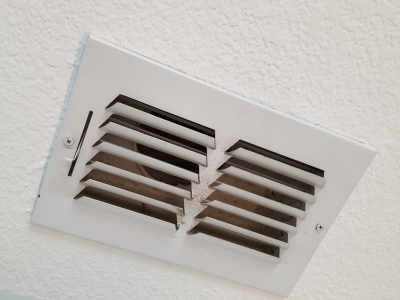 A central air conditioning system works by cooling air at a single unit and distributing that conditioned air throughout the home via a network of ductwork hidden behind walls, ceilings, and floors, with vents placed strategically in each room to deliver consistent airflow. Because the entire infrastructure stays out of sight, central air offers a clean, unobtrusive aesthetic that blends seamlessly into any home interior without the need for wall-mounted indoor units in each room. For homeowners who already have existing ductwork in place, this system becomes especially attractive from a practical standpoint.
When existing ductwork is already part of the home, installing a new central air conditioner to work with that infrastructure is significantly less expensive than removing it entirely and switching to a ductless mini split configuration. The savings on installation alone can be substantial, making central air the more budget-friendly upfront choice for homes that are already duct-ready. That financial advantage, combined with the familiarity of a system many homeowners have grown up with, makes central air a natural fit for a wide range of residential properties.
Central air conditioning also appeals strongly to those who want the entire home cooled uniformly and simultaneously from a single thermostat, without the need to manage multiple indoor units or zone settings. A single temperature setpoint sends conditioned air to every room at once, creating a consistent, whole-home comfort level that requires minimal interaction once installed. For households that prefer simplicity and whole-home coverage over granular temperature control, central air delivers exactly that, though the conversation shifts considerably for homes without existing ductwork.
Ductless Mini Split Air Conditioner Benefits
 A ductless mini split system consists of an outdoor compressor unit connected to one or more indoor air-handling units mounted on the wall, operating without any ductwork by transferring refrigerant directly between the outdoor and indoor components to deliver cooled air precisely where it is needed. Because there are no ducts involved, the energy losses that typically occur as conditioned air travels through ductwork are eliminated entirely, resulting in a more efficient system that uses less electricity to achieve the same level of cooling. That improved energy efficiency translates directly into lower monthly utility bills, making ductless mini-splits a compelling long-term investment.
The absence of ductwork also means that a ductless mini-split can be installed in homes, additions, garages, or other spaces where running new ducts would be impractical, expensive, or structurally impossible. Older homes, historic properties, and room additions are particularly well-suited to ductless installations, as the only requirement is a small conduit opening through an exterior wall to connect the indoor and outdoor units. This flexibility opens up reliable, efficient air conditioning to a far broader range of spaces than traditional ducted systems can serve.
Perhaps the most distinctive advantage of a ductless mini split system is the ability to create individualized comfort zones throughout the home, with each indoor unit operating independently at its own temperature setting. A bedroom can be kept cooler for sleeping, while a home office runs at a warmer setting during work hours, and unoccupied rooms can be turned off entirely to avoid cooling spaces that do not need it. That level of zoned control not only enhances personal comfort but also reinforces the system's energy efficiency, raising the question of which factors matter most when choosing between the two options.
Factors to Consider Before Installation
One of the most decisive factors in the central air versus ductless mini-split decision is whether the home already has functional ductwork, since the presence of existing ducts significantly lowers the installation cost of a central air system and removes much of the financial case for switching to ductless. A home with well-maintained ductwork is essentially set up for central air, while a home with no ductwork faces a very different cost equation when evaluating both options side by side. That single factor alone can tilt the decision before any other considerations come into play.
The layout and construction of the home also play an important role, as certain floor plans, building materials, or structural configurations can make installing new ductwork highly impractical or prohibitively expensive. Homes with concrete walls, finished ceilings, or unconventional layouts often present significant challenges for duct installation, making a ductless mini split the more feasible and cost-effective path forward in those situations. Evaluating the home's physical characteristics early in the planning process prevents costly surprises once installation begins.
Beyond the physical attributes of the home, the homeowner's priorities around comfort and cost will ultimately shape the final decision, specifically whether a lower upfront installation cost or lower monthly operating costs is the more pressing concern. Those who prioritize reducing energy bills over time and want the flexibility of cooling specific zones based on occupancy or personal temperature preference will find ductless mini-splits to be the stronger fit. Those who want seamless whole-home comfort from a single thermostat at a lower installation cost, provided ductwork already exists, will find central air the more practical solution, and consulting a qualified cooling professional is the best way to determine which system is right for a specific home.
Call B&L Plumbing and Heating
B&L Plumbing and Heating is a dependable plumbing, heating, and cooling expert serving Colorado Springs, CO, and beyond. They offer competitive pricing, fully stocked trucks, and a no-mess guarantee. Call them today for ductless mini split AC systems in Colorado Springs, CO.


 Recognizing the signs of hard water can help homeowners determine if a whole home water softener is the right choice. Common indicators that suggest a need for water softener installation include:
 For those concerned about water purity, identifying the need for a water filtration system installation or a whole home water filter is crucial. Signs that indicate a water filtration system installation or water filter installation might be beneficial include:
)

)
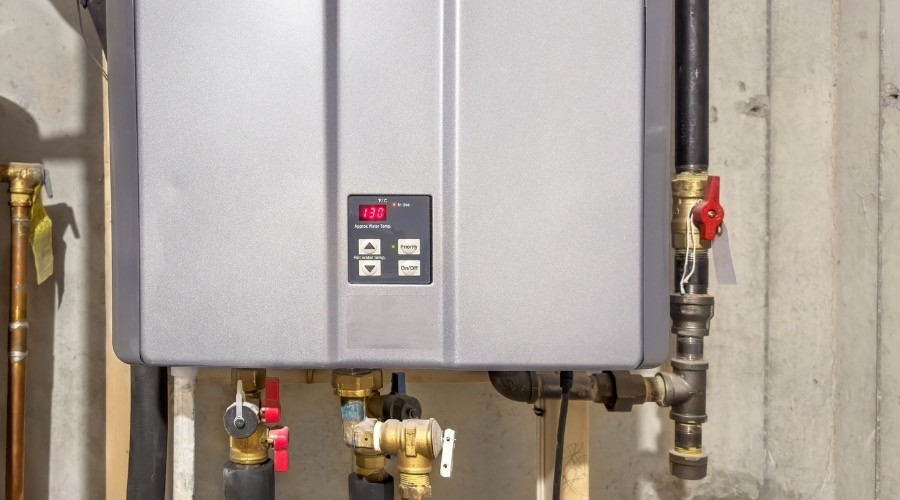
 Choosing a tankless water heater installation comes with several long-term perks that go beyond just a warm shower. The most significant advantage is superior
  Recognizing when to invest in a water heater replacement can prevent a flooded basement and high emergency repair costs. Homeowners should keep an eye out for visible leaks, as any pooling water around the base of the unit is a clear sign of structural failure. Corrosion and rust are also major red flags; if the water looks rusty or if there is visible "pitting" on the tank, the metal is likely breaking down from the inside out.
)
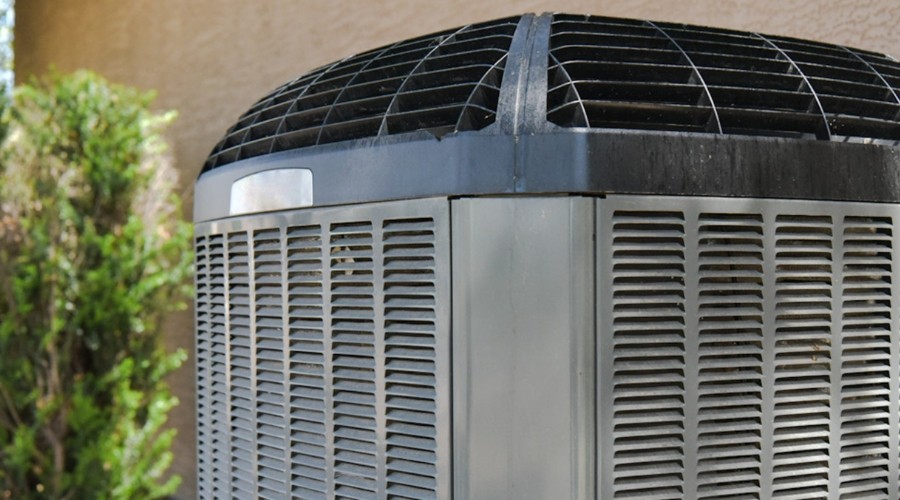
 A significant advantage of professional AC tune-ups is energy efficiency. When components are clean and calibrated, and the system is well maintained, the air conditioner requires less energy to keep the house cool, translating to lower monthly cooling costs. Scheduling AC maintenance before the summer heat helps ensure
 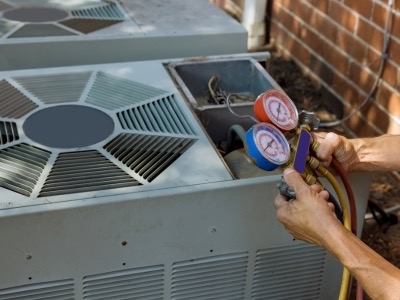 A professional AC maintenance visit includes an inspection that allows a technician to identify and address any existing issues or potential damage. By catching problems early, they can be repaired or components replaced before the issue worsens, helping prevent unexpected breakdowns, loss of cooling, and a more costly air conditioning repair or a full air conditioner replacement. The primary goal is to ensure continuous, reliable performance.
 )

 A healthy garbage disposal produces a steady grinding sound, not alarming rattles or shrieks. Garbage disposal humming without actually grinding often indicates a stalled motor or jammed impeller. Screeching, clanking, or rattling can result from loose blades, broken internal parts, or utensils lodged inside the chamber.
 A leaking garbage disposal can quietly cause extensive water damage inside the sink cabinet. Water collecting under the unit, dripping from seams, or appearing around mounting points usually points to failed seals, gaskets, or a cracked casing.
)