Low water pressure can quickly turn daily routines into a frustrating experience. Several plumbing-related issues can affect how water flows through a property. Understanding common causes helps highlight when professional plumbing services are needed.
Faulty Fixtures or Closed Valves
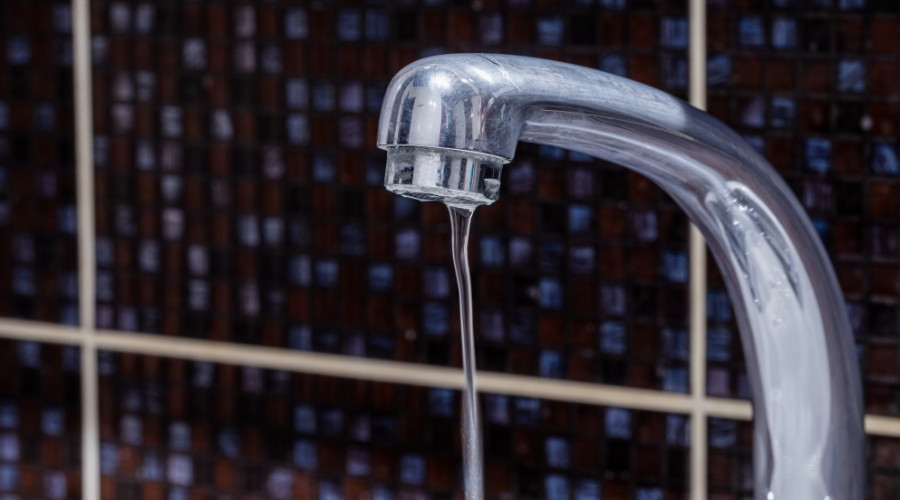
Low water pressure affecting only one faucet or showerhead often points to a fixture-related issue. Mineral buildup, internal wear, or clogs inside the fixture can restrict water flow. Fixture replacement or professional cleaning can restore proper pressure.
Widespread low water pressure throughout a property often signals a valve issue. The main water shutoff valve or water meter valve may remain partially closed after maintenance or repairs. Fully opening these valves often improves water flow.
Plumbing inspections help confirm whether valves or fixtures cause pressure problems. Expert plumbers use pressure testing to identify restrictions. Early correction helps prevent long-term plumbing stress.
Water Leaks
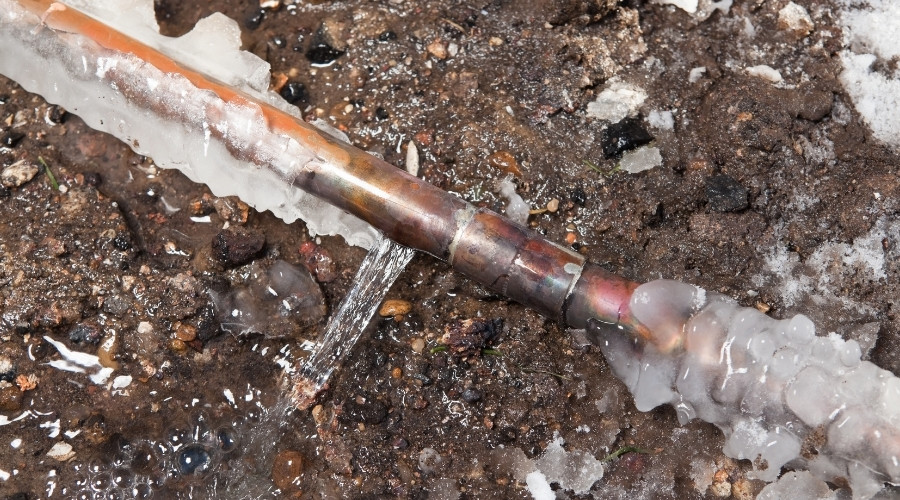
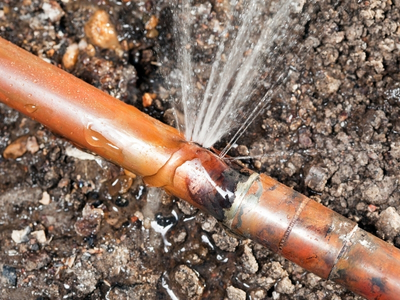
Leaks within water lines often reduce water pressure across multiple fixtures. Escaping water lowers available flow and places added strain on the plumbing system. Undetected leaks can also increase water bills and cause structural damage.
Water leak detection services locate hidden problems within walls, floors, or underground pipes. Advanced diagnostic tools help pinpoint leak sources without unnecessary disruption. Prompt water leak repair restores pressure and protects plumbing infrastructure.
Consistent water pressure often returns once leaks receive proper repairs. Addressing leaks early supports system efficiency and reliability. Professional plumbing services play a key role in maintaining a steady water flow.
Clogs and Buildup
Clogs and internal buildup inside water lines frequently lead to reduced water pressure. Aging pipes can corrode over time, narrowing the interior passage for water. Mineral deposits such as limescale also restrict flow.
Hard water contributes to mineral accumulation within plumbing systems. Over time, deposits create uneven pressure and limited water output. Pipe cleaning or replacement helps resolve these issues.
Professional plumbing services assess pipe condition and recommend effective solutions. Clearing buildup improves pressure and extends system lifespan. Preventive maintenance supports consistent water delivery.
Low water pressure often signals underlying plumbing concerns that need expert attention. Water leak detection and repair services address hidden leaks, clogs, and system inefficiencies. Local plumbers can help restore reliable water flow and protect plumbing systems in Colorado Springs.
Call B&L Plumbing and Heating
B&L Plumbing and Heating is a dependable AC, heating, and plumbing services serving Colorado Springs, CO, and beyond. They offer competitive pricing, fully-stocked trucks, and a no mess guarantee. Call them today for water leak detection in Colorado Springs, CO.
The Advantages of Installing a Whole Home Humidifier and Signs It’s Needed
When furnaces run for hours, and windows stay shut, indoor air often becomes uncomfortably dry. Low humidity can affect health, wood furnishings, and overall comfort throughout a building. Installing a whole-house humidifier helps balance moisture levels as heating equipment operates. This overview explains how a whole-home humidifier works, common warning signs that indicate humidifier installation is needed, and the key benefits of a humidifier during the coldest months.
What Does a Whole House Humidifier Do?
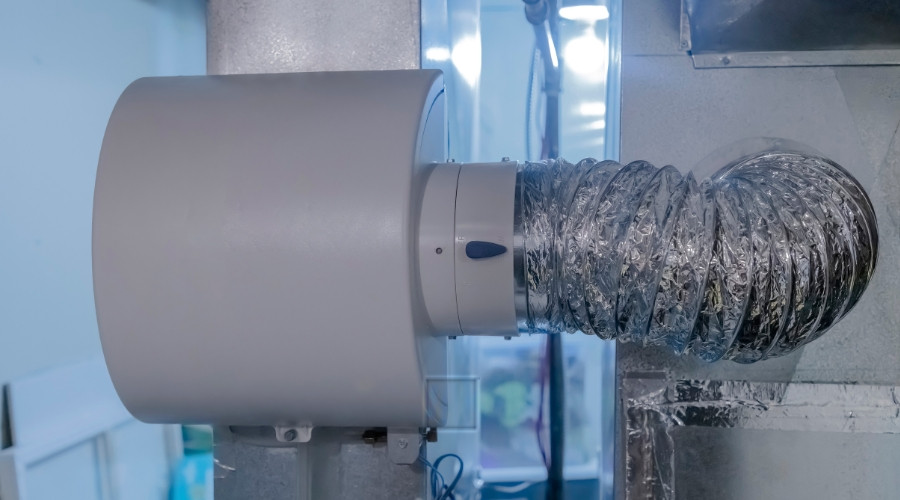
A whole-house humidifier ties into the central HVAC system and adds moisture directly to the air moving through supply ducts. Water passes over a pad or through a controlled mist, and the furnace blower circulates that conditioned air to every room. A humidistat monitors indoor humidity and adjusts output so levels stay within a comfortable range.
Whole-home humidifier installation is especially valuable in winter. Cold outdoor air naturally contains less moisture, and once that air is heated indoors, relative humidity drops even further. The result is dry air that can cause static, irritated sinuses, and creaking wood. Rather than relying on several portable units, one properly sized system manages humidity for the entire living space.
Signs the House Needs a Humidifier Installation
Several clues suggest that indoor air has become too dry and that whole-house humidifier installation should be considered:
Wood floors or furniture developing cracks, gaps, or loose joints
Paint or trim that is separating at corners or along seams
Frequent static shocks when touching metal, fabrics, or electronics
Physical symptoms may also appear. Residents might notice dry, itchy skin, chapped lips, or a scratchy throat that seems worse while the heat runs. A persistent dry cough, recurring winter nosebleeds, or more intense asthma and allergy symptoms can also point to low humidity. When building materials and occupants both show these patterns, a new humidifier installation often brings meaningful relief.
Benefits of a Whole Home Humidifier
The benefits of a humidifier extend far beyond simple comfort. Proper humidity makes indoor temperatures feel warmer, which may allow lower thermostat settings without sacrificing coziness and can help reduce heating costs over time. Balanced moisture supports healthier airways by easing dry nasal passages, sore throats, and coughs, while often reducing the severity of allergy and asthma flare‑ups.
A whole-home humidifier also protects the structure itself. Stable humidity helps prevent wood floors, cabinetry, doors, and musical instruments from warping, splitting, or shrinking. Less static electricity means fewer unpleasant shocks and added protection for sensitive electronics. Skin and hair stay more moisturized as well, minimizing flakiness, tightness, and frizz that often accompany dry winter air. With thoughtful whole-home humidifier installation, many households experience quieter, more even comfort all season long.
About B&L Plumbing and Heating
B&L Plumbing and Heating is committed to offering peace of mind to customers in Colorado Springs and the neighboring communities, with expert plumbing, heating, and cooling solutions. They provide quality products, competitive pricing, and honest, solid advice to ensure issues don’t recur. Call them today for humidifier installation in Colorado Springs, CO.
When winter arrives, plumbing systems face additional stress from low temperatures and cold drafts, especially in older or less-insulated homes. Frozen pipes can quickly lead to a pipe burst, causing water damage, expensive repairs, and major disruption. This post explains practical ways to protect plumbing during colder weather, offering an overview of insulating vulnerable pipes, using indoor heat wisely, and winterizing outdoor faucets to help prevent freezing pipes and related damage.
Insulate the Pipes
One of the most effective defenses against frozen pipes is proper pipe insulation. Pipes running through unconditioned or drafty areas—such as attics, crawl spaces, unfinished basements, and garages—are especially vulnerable to freezing pipes. In these spaces, cold air circulates freely, and water inside unprotected lines can freeze, expand, and cause a pipe burst before anyone notices a problem.
Adding pipe insulation around exposed lines helps slow heat loss from the water inside. Foam sleeves, fiberglass wraps, or specialized insulating tape can be used to insulate pipes of different sizes and materials. Extra attention should be given to plumbing along exterior walls, near windows or doors, and in areas that have experienced frozen pipes in previous winters. Taking time to insulate pipes in these trouble spots greatly reduces the risk of a sudden burst pipe.
Pipe insulation also offers comfort and efficiency benefits. Insulated hot water lines tend to retain heat longer, reducing the wait for warm water at fixtures and limiting wasted water. For homes in regions with frequent cold snaps, investing in quality pipe insulation is a simple, cost-effective step toward long-term protection.
Keep the Heat on and Open Cabinets
Indoor heating is another critical factor in preventing freezing pipes. Keeping the heating system running and setting the thermostat to a consistent temperature during cold weather helps maintain warmer air throughout the home, including in cooler corners and along exterior walls. Allowing indoor temperatures to drop too low overnight or during absences increases the chances that water inside pipes will freeze, particularly in marginal areas such as basements, over-garage rooms, or add-on spaces.
Opening cabinet doors that hide plumbing is a small step that can make a significant difference. Cabinets under kitchen and bathroom sinks often contain pipes located against exterior walls. With doors closed, cold air can become trapped inside these spaces, lowering pipe temperatures quickly. Leaving cabinet doors open allows warmer room air to circulate around the pipes, helping prevent freezing.
Together, steady indoor heat and open cabinets work with existing pipe insulation to create multiple layers of protection. When combined with routine heating system maintenance to ensure reliable operation during the coldest nights, these practices significantly reduce the likelihood of a pipe burst and costly water damage.
Winterize Outdoor Faucets
Exterior plumbing fixtures face the harshest conditions in winter, making each outdoor faucet a priority for cold-weather preparation. Water trapped in exterior lines or attached hoses can freeze and expand, placing pressure on both the faucet and the interior piping that feeds it. Proper winterization greatly lowers the risk of freeze-related damage.
The process begins with disconnecting any hoses or attachments from every outdoor faucet. Hoses should be fully drained and stored indoors so that residual water cannot freeze and back up into supply lines. After hoses are removed, the indoor shutoff valve that controls water to each outdoor faucet should be turned off, if one is available.
Once the supply is shut off, open the outdoor faucet to drain any remaining water from the line. Allowing water to run until it stops helps ensure that little or no liquid remains to freeze inside the pipe. Leaving the faucet slightly open afterward allows for minor expansion if a small amount of water remains. As a final layer of protection, an insulating cover should be placed over each outdoor faucet to shield it from wind and cold air.
When hoses are disconnected and drained, interior shutoff valves are closed, lines are emptied, and every outdoor faucet is protected with an insulating cover, the overall risk of freezing pipes and a damaging pipe burst drops dramatically. Combined with efforts to insulate pipes and maintain indoor warmth, these steps form a strong defense against winter plumbing emergencies.
About B&L Plumbing and Heating
B&L Plumbing and Heating is a highly rated plumbing, heating, and cooling company providing tailored solutions from certified technicians in Colorado Springs and the surrounding areas. Call them today for quality products and competitive pricing on burst pipe repair service in Colorado Springs, CO.
When Do the Air Ducts Need Professional Attention?
Ductwork is the hidden highway of an HVAC system, and small problems inside those passages can quietly raise costs and reduce comfort. This guide explains common indicators that point to air duct repair or ductwork repair, why air duct maintenance and air duct cleaning matter for airflow and indoor air quality, and how to think about longevity, from upkeep to ductwork replacement or air duct replacement when wear becomes extensive. The goal is to help restore efficiency, balance temperatures, and support healthier air throughout the property.
Signs Ductwork Repair Is Needed
HVAC systems often signal distress through the ductwork long before a full failure. Excess dust settling shortly after cleaning, faster‑than‑usual filter loading, or visible puffs at supply registers can indicate gaps that pull debris from attics, crawlspaces, or wall cavities. That infiltration then recirculates through the air duct network and affects comfort and cleanliness indoors.
Uneven temperatures between rooms are another red flag. Rooms that remain too warm while others run cool suggest leaks, disconnections, crushed flex runs, or undersized trunks preventing proper delivery. Weak airflow at certain vents, doors that move with system operation, or rooms that never reach set temperature all warrant a closer look. Whistling, rattling, or banging noises from ductwork can come from loose fasteners, separated seams, or internal obstructions. Rising utility costs without a clear cause frequently accompany these issues as equipment runs longer to overcome losses.
When these symptoms appear together, an inspection focused on sealing, support, and layout is prudent. Targeted air duct repair or broader ductwork repair—combined with testing to verify leakage reduction and balanced airflow—can restore performance, reduce noise, and stabilize comfort across zones.
The Importance of Air Duct Maintenance and Cleaning
Air ducts operate out of sight, but conditions inside them influence everyday comfort and system efficiency. Over time, dust, pet dander, and construction debris can accumulate on internal surfaces. Without periodic air duct maintenance, that buildup can re‑enter rooms, settle on surfaces, and increase static pressure, making the blower work harder to move air. Regular air duct cleaning or ductwork cleaning helps remove accumulated material, supports consistent airflow, and can reduce hot‑and‑cold spots tied to restrictions.
Professional cleaning typically pairs debris removal with an overall condition check. Technicians can evaluate accessible joints and transitions, identify disconnected sections, and recommend sealing strategies to limit leakage that wastes conditioned air. Where insulation on duct exteriors has been compromised, restoring coverage helps reduce conductive losses in attics, crawlspaces, and garages. Register and grille cleaning, confirmation of proper filter fit, and inspection of return paths further support steady operation.
Maintenance is not only about cleanliness. If testing reveals notable leakage or airflow imbalance, sealing and minor layout corrections can provide outsized improvements. Together, air duct cleaning, sealing, and routine air duct maintenance form a practical path to healthier air movement, quieter cycles, and improved comfort with less effort from the HVAC equipment.
How Long Does Ductwork Last?
Ductwork can provide service for many years, but longevity varies with materials, installation quality, environmental conditions, and ongoing care. Rigid metal trunks and branches tend to be durable, while flexible lines require careful routing and support to prevent kinks, compression, and premature wear. Even robust materials fall short if seams are poorly sealed, spans lack proper hangers, or transitions are abrupt and turbulent.
Periodic assessment helps determine when repair or replacement makes sense. Signs that point toward planning ductwork replacement include extensive leakage across multiple runs, widespread insulation damage, persistent condensation problems, or layouts that no longer suit current equipment or room use. Where deterioration is localized, air duct repair may restore serviceability, but when defects are structural or pervasive, air duct replacement can reset performance, improve balance, and align the system with today’s airflow needs.
Upkeep extends life. Routine filter changes, sealing accessible joints, protecting ductwork from storage compression, and scheduling periodic performance checks all support dependable operation. When upgrades are considered—such as equipment with different airflow requirements—revisiting duct design ensures that the air duct system matches new static pressure targets and delivers the intended comfort in every space.
About B&L Plumbing and Heating
B&L Plumbing and Heating is a veteran-owned plumbing, cooling, and heating company that has provided trusted service to the communities of Colorado Springs and beyond for over 25 years. Call them today for tailored options and competitive pricing on air duct cleaning in Colorado Springs, CO.
Homeowners often take their water heaters for granted until that dreaded moment when a cold shower strikes and the home is left without hot water. While some issues can be repaired, there are clear indicators that a water heater may be nearing the end of its lifespan and require replacement. This post will discuss some common signs indicating water heater replacement is needed.
Temperature Issues
One of the most noticeable signs that a water heater is struggling and needs professional attention is problems with water temperature. If the household is experiencing inconsistent or lukewarm temperatures, running out of hot water much faster than usual, or there is a complete lack of hot water, the water heater's ability to heat and maintain water temperature is compromised.
A plumber should be called to inspect the water heater and determine the best solution, whether it be water heater repair or a replacement, as these temperature issues can stem from a variety of problems, including sediment buildup, a failing heating element, an undersized unit that can no longer meet the household's demands, and more. Professionals can help determine whether the issue and the water heating unit’s age point to the need for a replacement.
Leaks
Another sign that signals a water heater needs replacing is leaking. Whether homeowners notice a visible water heater leak or notice pooling water around the base of the unit, the water heater's tank may have corroded and developed a crack. Once a tank starts to leak, it cannot typically be repaired effectively and will only worsen over time, leading to potential water damage in the home.
A leaking water heater is a critical indicator that the structural integrity of the water heater is compromised, and it should be replaced. When water heater corrosion has occurred, a new water heater installation is the safest and most reliable solution.
Age and Corrosion
Visible rust and corrosion on the water heater, along with other signs of corrosion, also signal that a water heater replacement is necessary. Rusty-looking or discolored hot water coming from fixtures, or water with a strange, metallic smell, are potential signs of internal tank corrosion. This corrosion compromises the integrity of the tank, leading to potential leaks. Addressing these signs promptly with a replacement can prevent extensive water damage to the home and ensure a safe and consistent supply of hot water.
The age of a water heater is also a significant factor in determining the likelihood of needing a replacement. Traditional storage water heaters typically have a lifespan of about 10 to 15 years. If the unit is within or has exceeded this age and starts developing issues, water heater replacement may be necessary. While some issues can be repaired, recurring problems in older units can indicate that the system is nearing the end of its useful life, often making replacement a more cost-effective and reliable solution in the long run compared to continuous repairs on an aging water heater.