Winter Indoor Comfort: Why a Whole House Humidifier Matters

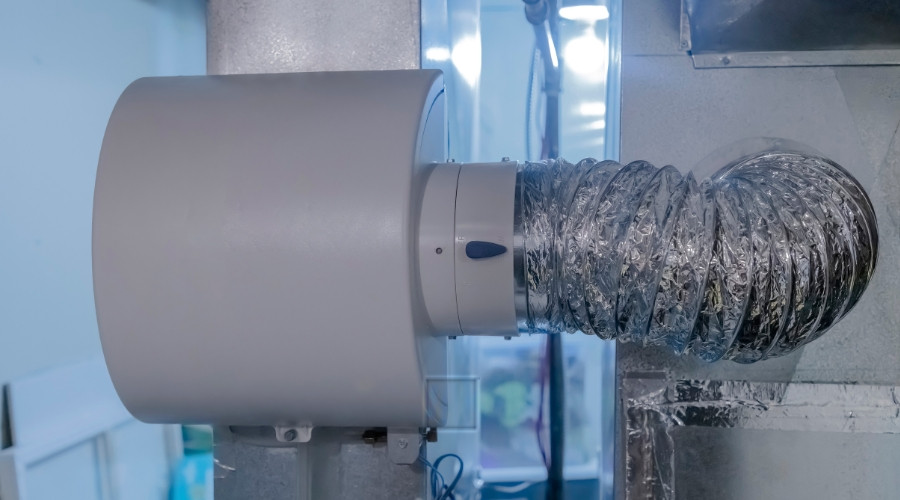
Whole house humidifier unit with ducting, illustrating HVAC system integration for moisture control in residential settings.

The Advantages of Installing a Whole Home Humidifier and Signs It’s Needed

When furnaces run for hours, and windows stay shut, indoor air often becomes uncomfortably dry. Low humidity can affect health, wood furnishings, and overall comfort throughout a building. Installing a whole-house humidifier helps balance moisture levels as heating equipment operates. This overview explains how a whole-home humidifier works, common warning signs that indicate humidifier installation is needed, and the key benefits of a humidifier during the coldest months.

What Does a Whole House Humidifier Do?

A whole-house humidifier ties into the central HVAC system and adds moisture directly to the air moving through supply ducts. Water passes over a pad or through a controlled mist, and the furnace blower circulates that conditioned air to every room. A humidistat monitors indoor humidity and adjusts output so levels stay within a comfortable range.

Whole-home humidifier installation is especially valuable in winter. Cold outdoor air naturally contains less moisture, and once that air is heated indoors, relative humidity drops even further. The result is dry air that can cause static, irritated sinuses, and creaking wood. Rather than relying on several portable units, one properly sized system manages humidity for the entire living space.

Signs the House Needs a Humidifier Installation

Child's hand showing dry, irritated skin symptoms, indicating potential low indoor humidity issues and the need for whole-house humidifier installation.Several clues suggest that indoor air has become too dry and that whole-house humidifier installation should be considered:

  • Wood floors or furniture developing cracks, gaps, or loose joints
  • Paint or trim that is separating at corners or along seams
  • Frequent static shocks when touching metal, fabrics, or electronics

Physical symptoms may also appear. Residents might notice dry, itchy skin, chapped lips, or a scratchy throat that seems worse while the heat runs. A persistent dry cough, recurring winter nosebleeds, or more intense asthma and allergy symptoms can also point to low humidity. When building materials and occupants both show these patterns, a new humidifier installation often brings meaningful relief.

Benefits of a Whole Home Humidifier

Hand inserting coin into a pink piggy bank on wooden table, symbolizing savings and financial investment.The benefits of a humidifier extend far beyond simple comfort. Proper humidity makes indoor temperatures feel warmer, which may allow lower thermostat settings without sacrificing coziness and can help reduce heating costs over time. Balanced moisture supports healthier airways by easing dry nasal passages, sore throats, and coughs, while often reducing the severity of allergy and asthma flare‑ups.

A whole-home humidifier also protects the structure itself. Stable humidity helps prevent wood floors, cabinetry, doors, and musical instruments from warping, splitting, or shrinking. Less static electricity means fewer unpleasant shocks and added protection for sensitive electronics. Skin and hair stay more moisturized as well, minimizing flakiness, tightness, and frizz that often accompany dry winter air. With thoughtful whole-home humidifier installation, many households experience quieter, more even comfort all season long.

About B&L Plumbing and Heating

B&L Plumbing and Heating is committed to offering peace of mind to customers in Colorado Springs and the neighboring communities, with expert plumbing, heating, and cooling solutions. They provide quality products, competitive pricing, and honest, solid advice to ensure issues don’t recur. Call them today for humidifier installation in Colorado Springs, CO.

Winter Plumbing Protection: Simple Steps to Prevent Frozen Pipes

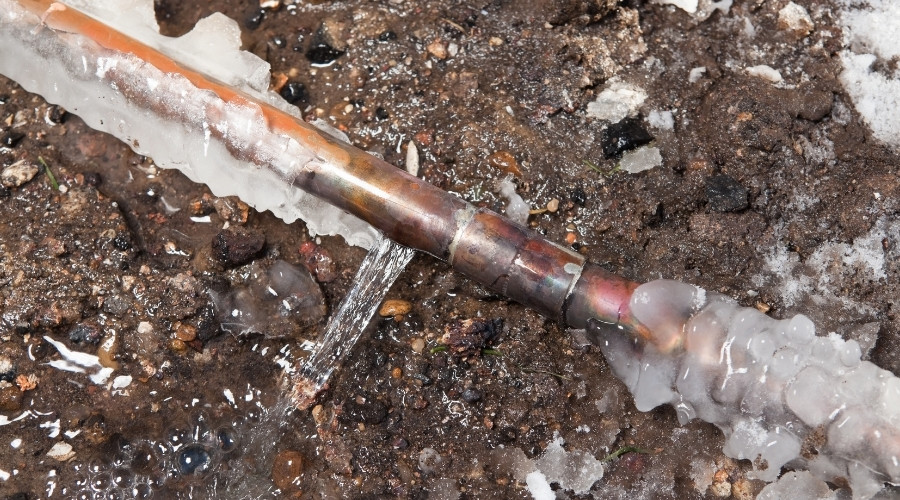
Frozen copper pipe with ice and water leakage, illustrating plumbing issues during winter, relevant to preventing frozen pipes and plumbing protection tips.

How to Prevent Frozen Pipes This Winter

When winter arrives, plumbing systems face additional stress from low temperatures and cold drafts, especially in older or less-insulated homes. Frozen pipes can quickly lead to a pipe burst, causing water damage, expensive repairs, and major disruption. This post explains practical ways to protect plumbing during colder weather, offering an overview of insulating vulnerable pipes, using indoor heat wisely, and winterizing outdoor faucets to help prevent freezing pipes and related damage.

Insulate the Pipes

Hand holding pipe insulation foam being applied to copper plumbing, emphasizing winter plumbing protection techniques to prevent frozen pipes.One of the most effective defenses against frozen pipes is proper pipe insulation. Pipes running through unconditioned or drafty areas—such as attics, crawl spaces, unfinished basements, and garages—are especially vulnerable to freezing pipes. In these spaces, cold air circulates freely, and water inside unprotected lines can freeze, expand, and cause a pipe burst before anyone notices a problem.

Adding pipe insulation around exposed lines helps slow heat loss from the water inside. Foam sleeves, fiberglass wraps, or specialized insulating tape can be used to insulate pipes of different sizes and materials. Extra attention should be given to plumbing along exterior walls, near windows or doors, and in areas that have experienced frozen pipes in previous winters. Taking time to insulate pipes in these trouble spots greatly reduces the risk of a sudden burst pipe.

Pipe insulation also offers comfort and efficiency benefits. Insulated hot water lines tend to retain heat longer, reducing the wait for warm water at fixtures and limiting wasted water. For homes in regions with frequent cold snaps, investing in quality pipe insulation is a simple, cost-effective step toward long-term protection.

Keep the Heat on and Open Cabinets

Cabinet under sink showing plumbing pipes and trash bin, highlighting the importance of keeping cabinet doors open to circulate warm air and prevent frozen pipes during winter.Indoor heating is another critical factor in preventing freezing pipes. Keeping the heating system running and setting the thermostat to a consistent temperature during cold weather helps maintain warmer air throughout the home, including in cooler corners and along exterior walls. Allowing indoor temperatures to drop too low overnight or during absences increases the chances that water inside pipes will freeze, particularly in marginal areas such as basements, over-garage rooms, or add-on spaces.

Opening cabinet doors that hide plumbing is a small step that can make a significant difference. Cabinets under kitchen and bathroom sinks often contain pipes located against exterior walls. With doors closed, cold air can become trapped inside these spaces, lowering pipe temperatures quickly. Leaving cabinet doors open allows warmer room air to circulate around the pipes, helping prevent freezing.

Together, steady indoor heat and open cabinets work with existing pipe insulation to create multiple layers of protection. When combined with routine heating system maintenance to ensure reliable operation during the coldest nights, these practices significantly reduce the likelihood of a pipe burst and costly water damage.

Winterize Outdoor Faucets

Exterior plumbing fixtures face the harshest conditions in winter, making each outdoor faucet a priority for cold-weather preparation. Water trapped in exterior lines or attached hoses can freeze and expand, placing pressure on both the faucet and the interior piping that feeds it. Proper winterization greatly lowers the risk of freeze-related damage.

The process begins with disconnecting any hoses or attachments from every outdoor faucet. Hoses should be fully drained and stored indoors so that residual water cannot freeze and back up into supply lines. After hoses are removed, the indoor shutoff valve that controls water to each outdoor faucet should be turned off, if one is available.

Once the supply is shut off, open the outdoor faucet to drain any remaining water from the line. Allowing water to run until it stops helps ensure that little or no liquid remains to freeze inside the pipe. Leaving the faucet slightly open afterward allows for minor expansion if a small amount of water remains. As a final layer of protection, an insulating cover should be placed over each outdoor faucet to shield it from wind and cold air.

When hoses are disconnected and drained, interior shutoff valves are closed, lines are emptied, and every outdoor faucet is protected with an insulating cover, the overall risk of freezing pipes and a damaging pipe burst drops dramatically. Combined with efforts to insulate pipes and maintain indoor warmth, these steps form a strong defense against winter plumbing emergencies.

About B&L Plumbing and Heating

B&L Plumbing and Heating is a highly rated plumbing, heating, and cooling company providing tailored solutions from certified technicians in Colorado Springs and the surrounding areas. Call them today for quality products and competitive pricing on burst pipe repair service in Colorado Springs, CO.

Distribution Links +

Professional Tips to Prevent Frozen Pipes Over the Winter

professional tips to prevent frozen pipes over the winter, hborncajxbur2xabehxnjcmvzqthubdotmlinrgf

Preventing Frozen Pipes During the Winter

Winter is coming, and temperatures have already dropped. It’s time for homeowners to prepare everything for the winter so that their home is ready to weather the season. One of the main aspects of winterizing the home in the fall is preparing the plumbing to withstand the cold. 

During the winter, the pipes in the home can take a lot of abuse. When temperatures drop below freezing, pipes that aren’t properly protected can freeze. Frozen pipes have a lot of potential to cause damage around the home, so owners must take steps to prevent them. Here is a quick guide to help owners prepare their plumbing for winter. 

The Dangers of Frozen Pipes 

Frozen copper pipe with a visible crack and ice buildup, illustrating the dangers of frozen pipes during winter.The water inside the piping is susceptible to freezing. Once the temperatures dip below 32 degrees, water will slowly freeze. The further the temperature drops, the faster this process will be. 

A frozen pipe by itself is a hassle. Losing access to water at a sink or outdoor spigot may be an inconvenience, but the real danger of frozen pipes lies in the damage they can do when a pipe bursts. As water inside the piping freezes, it expands with shocking force. Freezing water is capable of causing plastic and metal pipes to burst. Once the pipe starts to thaw, the water pressure in the plumbing system will push the ice plug out, and flooding can happen within seconds. The amount of work that goes into fixing the damage from the flood far outweighs the cost of taking precautions. 

Can Pipe Insulation Help?nbsp;

Pipe insulation sleeves covering copper pipes, demonstrating a solution to prevent frozen pipes and plumbing damage during winter.The first tool to help prevent frozen pipes and the resulting burst pipes is a product called pipe insulation. Indeed, pipe insulation is so good at its job that it is often the only tool homeowners need to completely protect their plumbing during the winter. 

Insulation for pipes works by wrapping all exposed piping in a cozy layer of fiberglass or foam. Pipe insulation comes in long sections split longitudinally so they can be slipped over stretches of pipes. The split is taped shut using duct tape or reflective tape so no cold air can slip into the joint. This slows down the heat exchange with cold air to keep pipes warmer for longer. 

More Tips for Preventing Frozen Pipes 

While pipe insulation can go a long way towards protecting pipes during the winter, it isn’t the best option in some cases. The best advice is to have a plumbing contractor inspect the plumbing before the winter comes so they can come up with the best option for every situation. Some of the alternatives they may suggest for pipes that may be subject to freezing are: 

  • Rerouting pipes that are in poorly insulated exterior-facing walls
  • Insulating or rerouting pipes that are in attics
  • Leaving faucets dripping so warmer water is always moving through pipes
  • Installing heat tape for large pipes to protect them in extreme cold snaps
  • Upgrading exposed pipes to PEX or other materials that are more burst-resistant 

About B&L Plumbing and Heating

Commercial and residential owners can protect their piping in the winter with help from B&L Plumbing and Heating. Their experts quickly deal with burst pipes and insulate pipes to prevent winter problems. Call today for professional plumbing services in Colorado Springs, CO. 

Distribution Links +

Got Someone To Call for Plumbing Help In the Dead of Winter?

got someone to call for plumbing help in the dead of winter?

Why Everyone Needs an Emergency Plumbing Service They Can Count on This Winter

Winters provide austere beauty and the perfect conditions for great skiing, but they are certainly not for the faint of heart. Frigid temperatures, pop-up blizzards, and treacherous ice slicks can make anyone want to curl up by the fire for the duration. But even in the comfort of a warm home, the winter chill can have a negative impact in some unexpected ways. The home’s plumbing system is often hit the hardest, and the results can be disastrous. 

These plumbing emergencies can strike at inopportune times, without much warning, and need to be resolved as quickly as possible. In some cases, the health and safety of everyone in the house depend on it. This is why it’s essential to employ a swift and reliable plumbing company that will show up when they’re needed most.

Preventing Needless Damage From a Burst PipeText "PREVENTION" written in chalk on a dark background, emphasizing the importance of preventing burst pipes during winter plumbing emergencies.

Burst pipes are the most common winter plumbing emergency. This occurs when water in a supply pipe freezes and expands, rupturing the pipe and releasing a geyser of water into the surrounding area.

This is almost entirely preventable through protective measures like insulation and winterization. But should it happen, the damage to the home can be extensive, especially if it goes unnoticed or unresolved for more than a few moments. In the event of a pipe break, the first thing to do is shut off the home’s main water valve, then immediately call a professional.

A Gas Leak Can Be Lethal

There are two types of gas leaks to watch out for, particularly in the winter months. The first is the natural gas used to power appliances. For instance, a gas-powered water heater will be working hard during the winter, and if the burners or pilot light should malfunction, gas may leak into the home, creating a deadly risk of poisoning or explosion.

Warning sign featuring a skull and crossbones, indicating toxic hazards related to gas leaks and sewage issues in plumbing contexts.

The other type is a sewer gas leak. This can occur if a drain trap or sewer pipe has become cracked or clogged, if snow or other obstructions have blocked the home’s rooftop vent pipes, or if a septic system has frozen, to name a few. Besides having an incredibly offensive odor, sewer gas can contain ammonia and methane, among other harmful fumes. It is highly toxic and flammable and should be dealt with immediately.

Hazards of a Sewage Backup

A sewage backup is one of the most horrific plumbing emergencies a homeowner can face. Like sewer gas backflow, it can be caused by a ruptured or blocked drainage line (tree roots are one common culprit), septic system issues, or even a problem with the city sewer main. Liquid sewage (known as effluent) entering the home through the drains causes all sorts of problems, not just a terrible mess.

It can lead to the rapid growth of harmful mold and bacteria, stain fixtures, and ruin clothing, flooring, or carpeting. On the more serious side, sewage can carry numerous diseases such as giardia, E. coli, and Hepatitis, and any close contact can prove life-threatening.

Every homeowner should talk to their plumber about options for preventing these types of emergencies, such as pipe insulation, sewer line inspection, and backflow prevention devices. But just in case of some unforeseen plumbing nightmare, it pays to make sure they’ll be there in a pinch.

About B&L Plumbing and Heating

B&L Plumbing and Heating has served Colorado Springs, CO with pride since 1999. As a highly-rated, award-winning, veteran-owned company, they have a passion for community involvement and customer education. They gladly provide financing, competitive pricing, and 24/7 emergency service with no after-hours fee.

Don't Let Frozen Pipes Ruin Your Winter Time This Year

don't let frozen pipes ruin your winter time this year

Tips for Avoiding Frozen Pipe Disasters

Nobody ever wants to be stuck in a situation where pipes fail on the coldest night of the year. Frozen pipes not only leave the house freezing but can get very costly. With temperatures dropping, it is very easy to forget how fragile pipes can be. Frozen pipes can rupture and lead to a whole world of problems. Here are some tips that will help to keep pipes from becoming victim to the cold this winter.

Heat Tape to the Rescue

One trick that homeowners can use to ensure that pipes don’t freeze is to apply heat tape. Heat tape supplies heat directly to the pipe when there is a chance that the temperatures will be cold enough to freeze your pipes. The tape is most effective in smaller sections of pipes that are at a higher risk of freezing. Tape should be applied in areas that can be easily accessed to monitor the situation.

Heat tape coil for preventing frozen pipes, essential for winter plumbing maintenance and insulation.

Two different kinds of heat tape can be applied to certain parts of the piping system. One type of heat tape will automatically turn on or off depending on how cold the temperature is outside. The other type of heat tape needs to be plugged in when you want to apply heat. Similar to a space heater, homeowners should keep an eye on the pipes when heat tape is turned on.

Add Additional Insulation

Foam insulation sleeves for pipes, emphasizing protection against freezing temperatures, relevant to plumbing maintenance and pipe insulation solutions.Homeowners can try to insulate pipes in colder parts of the house to avoid a frozen pipe repair. It would be best to insulate pipes that are in the open. It can be a bit more challenging to insulate pipes that are located behind walls, in ceilings, or under the floor.

However, this could be an additional way to try to protect the pipes in the home. Another trick is to fit pipes with foam rubber or fiberglass sleeves. This can be a rather inexpensive solution for those pipes out in the open.

It is important to remember, however, that insulation does not prevent pipes from freezing. Its main purpose is to try to keep the pipes at the same temperature as the water inside of them. If the pipes are exposed to freezing conditions for an extended period of time, there is a good chance the pipes may still freeze.

Dripping Faucets Are an Easy Defense

A final tip for homeowners is to allow faucets to slowly drip into the plumbing water cycle during frigid temperatures. There only needs to be a slight drip to be effective. When a pipe does freeze, it is because of the pressure that builds up between the blockage and the faucet.

Brass faucet with a slow drip, illustrating a method to prevent frozen pipes during cold weather.

When the faucet is open, the pressure is reduced and will help to protect the pipe from bursting. Even if the faucet has both a hot and cold knob, it is important to turn both on far enough to drip. This helps to keep the balance between both temperatures.

About B&L Plumbing and Heating

B&L Plumbing and Heating is dedicated to providing the best service possible to its customers through workmanship, top-notch products, and best in class service that can always be expected from its employees. B&L Plumbing and Heating offers 24/7 services because plumbing problems can happen at any time!