
How to Prevent Frozen Pipes This Winter
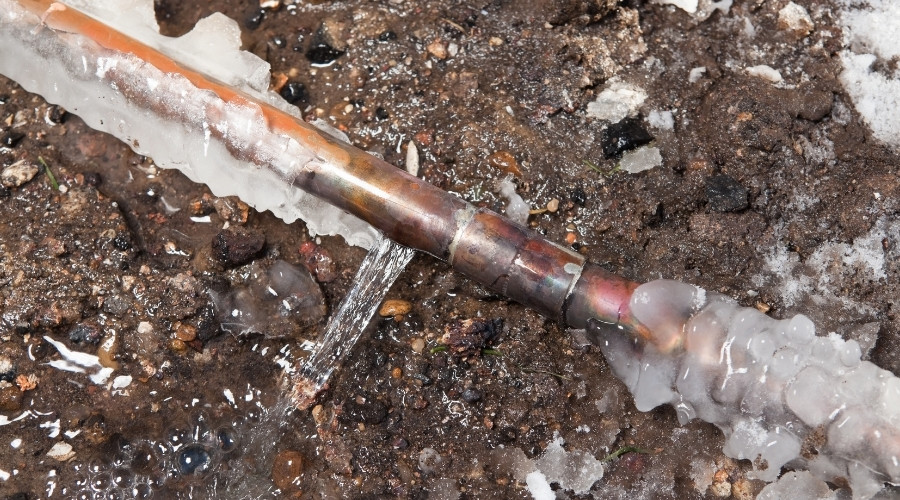
When winter arrives, plumbing systems face additional stress from low temperatures and cold drafts, especially in older or less-insulated homes. Frozen pipes can quickly lead to a pipe burst, causing water damage, expensive repairs, and major disruption. This post explains practical ways to protect plumbing during colder weather, offering an overview of insulating vulnerable pipes, using indoor heat wisely, and winterizing outdoor faucets to help prevent freezing pipes and related damage.
Insulate the Pipes
 One of the most effective defenses against frozen pipes is proper pipe insulation. Pipes running through unconditioned or drafty areas—such as attics, crawl spaces, unfinished basements, and garages—are especially vulnerable to freezing pipes. In these spaces, cold air circulates freely, and water inside unprotected lines can freeze, expand, and cause a pipe burst before anyone notices a problem.
Adding pipe insulation around exposed lines helps slow heat loss from the water inside. Foam sleeves, fiberglass wraps, or specialized insulating tape can be used to insulate pipes of different sizes and materials. Extra attention should be given to plumbing along exterior walls, near windows or doors, and in areas that have experienced frozen pipes in previous winters. Taking time to insulate pipes in these trouble spots greatly reduces the risk of a sudden burst pipe.
Pipe insulation also offers comfort and efficiency benefits. Insulated hot water lines tend to retain heat longer, reducing the wait for warm water at fixtures and limiting wasted water. For homes in regions with frequent cold snaps, investing in quality pipe insulation is a simple, cost-effective step toward long-term protection.
Keep the Heat on and Open Cabinets
 Indoor heating is another critical factor in preventing freezing pipes. Keeping the heating system running and setting the thermostat to a consistent temperature during cold weather helps maintain warmer air throughout the home, including in cooler corners and along exterior walls. Allowing indoor temperatures to drop too low overnight or during absences increases the chances that water inside pipes will freeze, particularly in marginal areas such as basements, over-garage rooms, or add-on spaces.
Opening cabinet doors that hide plumbing is a small step that can make a significant difference. Cabinets under kitchen and bathroom sinks often contain pipes located against exterior walls. With doors closed, cold air can become trapped inside these spaces, lowering pipe temperatures quickly. Leaving cabinet doors open allows warmer room air to circulate around the pipes, helping prevent freezing.
Together, steady indoor heat and open cabinets work with existing pipe insulation to create multiple layers of protection. When combined with routine heating system maintenance to ensure reliable operation during the coldest nights, these practices significantly reduce the likelihood of a pipe burst and costly water damage.
Winterize Outdoor Faucets
Exterior plumbing fixtures face the harshest conditions in winter, making each outdoor faucet a priority for cold-weather preparation. Water trapped in exterior lines or attached hoses can freeze and expand, placing pressure on both the faucet and the interior piping that feeds it. Proper winterization greatly lowers the risk of freeze-related damage.
The process begins with disconnecting any hoses or attachments from every outdoor faucet. Hoses should be fully drained and stored indoors so that residual water cannot freeze and back up into supply lines. After hoses are removed, the indoor shutoff valve that controls water to each outdoor faucet should be turned off, if one is available.
Once the supply is shut off, open the outdoor faucet to drain any remaining water from the line. Allowing water to run until it stops helps ensure that little or no liquid remains to freeze inside the pipe. Leaving the faucet slightly open afterward allows for minor expansion if a small amount of water remains. As a final layer of protection, an insulating cover should be placed over each outdoor faucet to shield it from wind and cold air.
When hoses are disconnected and drained, interior shutoff valves are closed, lines are emptied, and every outdoor faucet is protected with an insulating cover, the overall risk of freezing pipes and a damaging pipe burst drops dramatically. Combined with efforts to insulate pipes and maintain indoor warmth, these steps form a strong defense against winter plumbing emergencies.
About B&L Plumbing and Heating
B&L Plumbing and Heating is a highly rated plumbing, heating, and cooling company providing tailored solutions from certified technicians in Colorado Springs and the surrounding areas. Call them today for quality products and competitive pricing on burst pipe repair service in Colorado Springs, CO.
)
 By design, sump pumps collect water that gathers in a sump pit, typically located in the basement or crawl space, and pump it out away from the home's foundation. Here are the key benefits of a sump pump installation:
 While primary
 )