Winter Plumbing Protection: Simple Steps to Prevent Frozen Pipes

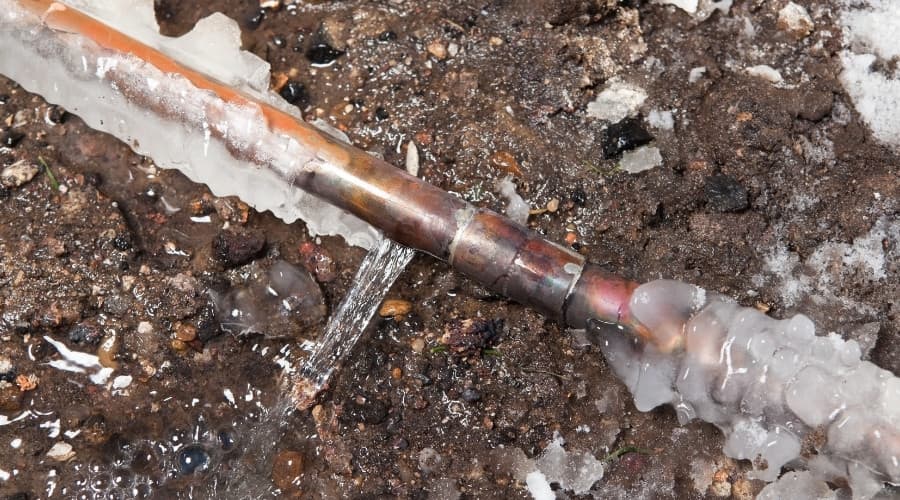
Frozen copper pipe with ice and water leakage, illustrating plumbing issues during winter, relevant to preventing frozen pipes and plumbing protection tips.

How to Prevent Frozen Pipes This Winter

When winter arrives, plumbing systems face additional stress from low temperatures and cold drafts, especially in older or less-insulated homes. Frozen pipes can quickly lead to a pipe burst, causing water damage, expensive repairs, and major disruption. This post explains practical ways to protect plumbing during colder weather, offering an overview of insulating vulnerable pipes, using indoor heat wisely, and winterizing outdoor faucets to help prevent freezing pipes and related damage.

Insulate the Pipes
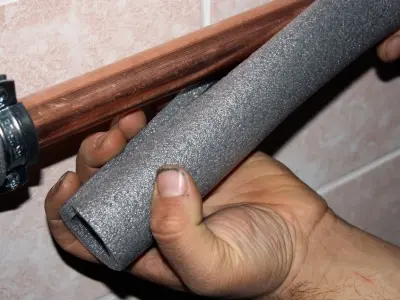
Hand holding pipe insulation foam being applied to copper plumbing, emphasizing winter plumbing protection techniques to prevent frozen pipes.One of the most effective defenses against frozen pipes is proper pipe insulation. Pipes running through unconditioned or drafty areas—such as attics, crawl spaces, unfinished basements, and garages—are especially vulnerable to freezing pipes. In these spaces, cold air circulates freely, and water inside unprotected lines can freeze, expand, and cause a pipe burst before anyone notices a problem.

Adding pipe insulation around exposed lines helps slow heat loss from the water inside. Foam sleeves, fiberglass wraps, or specialized insulating tape can be used to insulate pipes of different sizes and materials. Extra attention should be given to plumbing along exterior walls, near windows or doors, and in areas that have experienced frozen pipes in previous winters. Taking time to insulate pipes in these trouble spots greatly reduces the risk of a sudden burst pipe.

Pipe insulation also offers comfort and efficiency benefits. Insulated hot water lines tend to retain heat longer, reducing the wait for warm water at fixtures and limiting wasted water. For homes in regions with frequent cold snaps, investing in quality pipe insulation is a simple, cost-effective step toward long-term protection.

Keep the Heat on and Open Cabinets
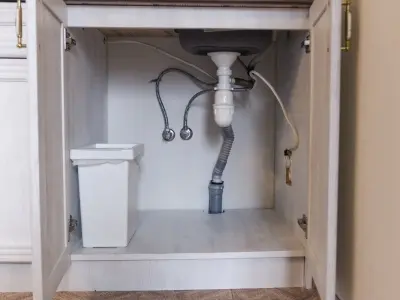
Cabinet under sink showing plumbing pipes and trash bin, highlighting the importance of keeping cabinet doors open to circulate warm air and prevent frozen pipes during winter.Indoor heating is another critical factor in preventing freezing pipes. Keeping the heating system running and setting the thermostat to a consistent temperature during cold weather helps maintain warmer air throughout the home, including in cooler corners and along exterior walls. Allowing indoor temperatures to drop too low overnight or during absences increases the chances that water inside pipes will freeze, particularly in marginal areas such as basements, over-garage rooms, or add-on spaces.

Opening cabinet doors that hide plumbing is a small step that can make a significant difference. Cabinets under kitchen and bathroom sinks often contain pipes located against exterior walls. With doors closed, cold air can become trapped inside these spaces, lowering pipe temperatures quickly. Leaving cabinet doors open allows warmer room air to circulate around the pipes, helping prevent freezing.

Together, steady indoor heat and open cabinets work with existing pipe insulation to create multiple layers of protection. When combined with routine heating system maintenance to ensure reliable operation during the coldest nights, these practices significantly reduce the likelihood of a pipe burst and costly water damage.

Winterize Outdoor Faucets

Exterior plumbing fixtures face the harshest conditions in winter, making each outdoor faucet a priority for cold-weather preparation. Water trapped in exterior lines or attached hoses can freeze and expand, placing pressure on both the faucet and the interior piping that feeds it. Proper winterization greatly lowers the risk of freeze-related damage.

The process begins with disconnecting any hoses or attachments from every outdoor faucet. Hoses should be fully drained and stored indoors so that residual water cannot freeze and back up into supply lines. After hoses are removed, the indoor shutoff valve that controls water to each outdoor faucet should be turned off, if one is available.

Once the supply is shut off, open the outdoor faucet to drain any remaining water from the line. Allowing water to run until it stops helps ensure that little or no liquid remains to freeze inside the pipe. Leaving the faucet slightly open afterward allows for minor expansion if a small amount of water remains. As a final layer of protection, an insulating cover should be placed over each outdoor faucet to shield it from wind and cold air.

When hoses are disconnected and drained, interior shutoff valves are closed, lines are emptied, and every outdoor faucet is protected with an insulating cover, the overall risk of freezing pipes and a damaging pipe burst drops dramatically. Combined with efforts to insulate pipes and maintain indoor warmth, these steps form a strong defense against winter plumbing emergencies.

About B&L Plumbing and Heating

B&L Plumbing and Heating is a highly rated plumbing, heating, and cooling company providing tailored solutions from certified technicians in Colorado Springs and the surrounding areas. Call them today for quality products and competitive pricing on burst pipe repair service in Colorado Springs, CO.

Distribution Links +

Remember to Schedule Plumbing Maintenance This Year!

remember to schedule plumbing maintenance this year!

What Is Plumbing Maintenance – And Why Does It Matter?

Homeowners understand that nearly every aspect of a house requires regular attention and upkeep to remain in good shape, and the plumbing system is no different. While it may seem like just a network of pipes, valves, and fixtures, these components can wear down or develop issues over time due to age, environmental conditions, and daily usage.

Regular plumbing maintenance is the most effective method to keep the system functioning properly and in good shape. However, what does plumbing maintenance actually involve? This article will outline the details of plumbing maintenance and the numerous advantages it offers to homeowners.

Plumbing Maintenance Benefits

Woman smiling while holding a blue piggy bank, symbolizing savings and financial benefits of regular plumbing maintenance.There are many advantages to maintaining plumbing systems. The most apparent benefit is that it helps avert significant plumbing issues and emergencies – such as clogs and leaks. In this regard, routine maintenance can prevent or at least lessen the necessity for plumbing repairs or early replacement of components and fittings. Consequently, homeowners will avoid incurring expenses on these services.

Plumbing maintenance also helps save money in other ways. Take water leaks, for instance. The average household can lose an estimated 10,000 gallons of water per year due to plumbing leaks. That can add up to a hefty water bill. Regular maintenance allows homeowners to catch and fix these leaks.

Likewise, plumbing maintenance can improve water heater efficiency, reducing energy bills. Regular maintenance can also extend the lifespan of the plumbing system and the plumbing fixtures connected to it (toilets, faucets, showerheads, appliances, etc.), which saves money on plumbing replacement and repair in the long term.

Schedule Maintenance With a Qualified Professional

Many homeowners might feel tempted to handle plumbing upkeep on their own. However, aside from occasional drain cleaning with safe household remedies—such as baking soda and vinegar—it's advisable to leave general plumbing maintenance to the professionals. They possess the training, experience, and specialized tools needed to spot, diagnose, and resolve a wide range of issues effectively.

During a routine maintenance visit, a professional plumber will generally follow a long checklist of tasks, including:

  • Inspecting pipes for leaks and corrosion.
  • Measuring water pressure (and adjusting the pressure regulator if necessary).
  • Testing water quality (for hardness, acidity, heavy metals, etc.).
  • Cleaning faucet aerators.
  • Checking valves and fixtures for leaks.
  • Inspecting drains and cleaning if necessary.
  • Checking backflow prevention devices (to prevent contamination of potable water with wastewater).
  • Testing the sump pump (if applicable).
  • Servicing the water heater.

A typical plumbing maintenance visit takes anywhere from 1-3 hours, depending on what needs to be done. Most plumbing experts recommend that homeowners schedule plumbing maintenance services once per year to yield the greatest benefit. 

Maintaining the Water Heater

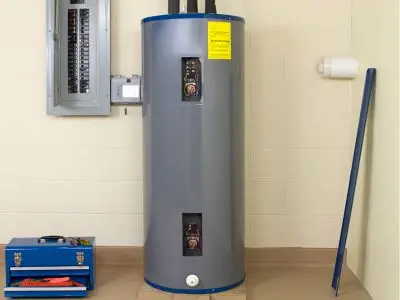
Water heater unit in a maintenance setting, featuring temperature and pressure relief valve, electrical connections, and service tools nearby, emphasizing the importance of regular plumbing maintenance services by B&L Plumbing.One of the most important aspects of plumbing maintenance is the water heater inspection and tune-up. This deserves its own checklist of maintenance tasks, such as:

  • Checking for leaks in the unit and its connecting pipes.
  • Testing the T&P (temperature & pressure) relief valve for proper function.
  • Calibrating the thermostat.
  • Inspecting the pilot light and gas burners (and cleaning or adjusting them if necessary).
  • Check the exhaust flue for leaks or clogs.
  • Flushing the water storage tank to remove sediment.
  • Inspecting the anode rod (an anti-corrosion device inside the tank) and replacing it if necessary.
  • Checking electrical connections and safety devices.

A lack of maintenance is the number one cause of water heater problems and breakdowns, so this is a vital part of preventative plumbing maintenance. Not only will it help homeowners avoid shelling out for water heater repair, but it will also help extend the life of the unit and boost its energy efficiency. And since plumbing maintenance is generally a low-cost service, it’s an investment homeowners won’t regret!

About B&L Plumbing and Heating

The veteran-owned B&L Plumbing and Heating has provided unbeatable plumbing services in Colorado Springs since 1999. As a testament to their outstanding customer service and workmanship, they have 5-star ratings on Google and Facebook and have won numerous awards, including HomeAdvisor’s Elite Service Award and Expertise.com’s “Best Of” award. They offer competitive up-front pricing, a money-saving maintenance plan, and 24/7 emergency plumbing service with no after-hours fees – so there’s no one to call for plumbing maintenance in Colorado Springs, CO!

Don't Let a Plumbing Emergency Scare You This Halloween

don't let a plumbing emergency scare you this halloween

Don’t Let Plumbing Problems Haunt Your Home

Halloween may put everyone in a haunting mood, but that doesn’t mean homeowners should be allowed to get spooked by a potential plumbing emergency - not when there are plenty of simple and easy ways to avoid this. Below are the three most effective ways to keep a home’s plumbing system healthy, flowing, and clog-free.

How To Avoid A Sewer Line Clog

drainTo prevent a plumbing emergency, preventing clogs should be a priority. Not only is a clogged sewer line one of the primary reasons behind sewage backups, but it is also among the causes behind some of the most common plumbing problems experienced at home, such as burst pipes and flooding.

Fortunately, preventing a clog from forming within a home’s plumbing system isn’t particularly difficult. This can be done simply by practicing correct waste disposal habits at home. Something as straightforward as keeping grease and other oily food from making its way down the kitchen drain is a good start. This is because oil and grease may go down in liquid form at disposal but tend to solidify once they cool inside the pipes, creating a stubborn clog. Similarly, food scraps should also be disposed of in the trash, not in the kitchen drain, even with a garbage disposal, which should be used only for small food scraps. 

Bathroom drains and toilets should also be well cared for. Homeowners would install drain protectors to keep hair and other debris out of the shower drain and be mindful of the things that get flushed down the toilet. Small quantities of toilet paper are okay; cigarette butts, wipes, copious amounts of toilet paper, feminine hygiene products, and other large, non-biodegradable materials are not. 

Maintain the Plumbing System

Prevention is the key to avoiding a plumbing emergency, which means investing in regular plumbing maintenance. Having a licensed, professional plumber come in at least once a year to inspect the pipes, check for leaks, and examine the overall health of the plumbing system helps homeowners nip minor problems in the bud before they become big issues that may end up creating a world of inconvenience or costing a lot of money to fix.

As part of yearly maintenance efforts, plumbers can also prevent a sewage backup by cleaning drainage, which helps clear any accumulation within the pipes. Hydro jet drain cleaning can address more stubborn blockages, which employing a jet of highly pressurized water that is effective at removing even the most persistent clogs.

Don’t Forget To Maintain the Water Heater Too

water heater maintenanceWhile drainages and pipes are understandably the priority for plumbing maintenance, water heaters shouldn’t be neglected either since they are also connected to the plumbing system. Water that courses throughout a home’s plumbing system often goes through the water heater, so this very important household appliance - be it a traditional storage tank heater or a tankless one - deserves just as much care as plumbing.

Taking time to have a professional conduct water heater maintenance by checking the water heater for leaks, loose connections, or other damage, as well as regularly flushing the system to get rid of minerals and sediment that may affect its performance, will go a long way in helping prevent plumbing disasters at home.

About B&L Plumbing and Heating

B&L Plumbing and Heating is the trusted plumbing solutions provider in the Colorado Springs area. With a full menu of plumbing services that range from sewer repair and drain cleaning to kitchen plumbing and water softener repair and installation, B&L offers fast and reliable service available 24/7. Not only do they provide quality products and services, but they also make sure their pricing is competitive and that their plumbers leave homes clean and mess-free, giving customers peace of mind and the right education to keep the same problems from happening again. Call them today for plumbing service in Colorado Springs, CO.

Distribution Links +

Plumbing Disasters Shouldn't Ruin a Thanksgiving Gathering

plumbing disasters shouldn't ruin a thanksgiving gathering

Prevent Clogged Toilets and Sewer Back Up With Simple Maintenance

Large gatherings of family and friends tend to put a lot of extra strain on a home’s plumbing; that’s why it is important to have preventative measures in place. Someone may not be able to predict what story or offensive joke a certain uncle may decide to tell after dinner, but they can predict that more people will be using the restroom than usually have access to a home privy. This article will discuss the best ways to keep the whole gathering running smoothly, at least in the sewer pipes.

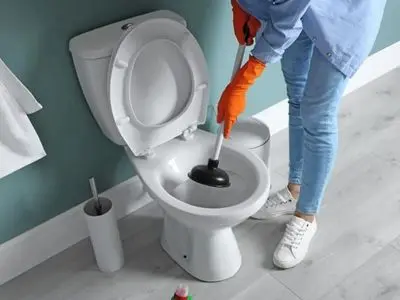
How to Prevent a Clogged ToiletPerson using a plunger on a white toilet, wearing orange gloves, demonstrating a common method to prevent clogged toilets during family gatherings and maintain plumbing.

A clogged toilet may be the most common and one of the most inconvenient plumbing problems in a household. It is not that the toilet will never clog; it is more about making it easier to unclog the toilet. Normal clogs can usually be dealt with with a plunger, the double flush, or waiting it out, but some things cause more serious clogs because they do not dissolve or break up in the water. If people avoid putting these things in their toilets, the clog is less likely to cause a problem that needs professional assistance. Some of this list may seem counterintuitive, but one should never put these items in the toilet:

  • Baby Wipes (even “flushable” ones)
  • Cleaning Wipes(ie Clorox or Lysol wipes)
  • Cotton Balls
  • Cotton Rounds
  • Cotton Swabs
  • Paper Towels
  • Sanitary Napkins
  • Tampons

Even if these items are flushed out of the toilet, they may cause a problem farther down the line, leading to the next area of concern: the sewer pipes.

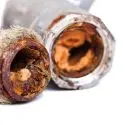
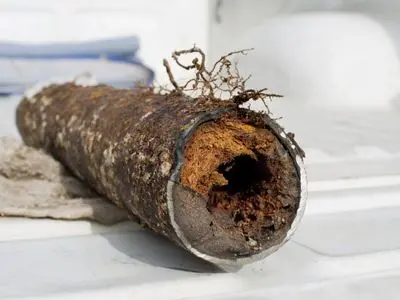
Keeping Sewer Lines CleanBlocked sewer pipe with rust and roots, illustrating the importance of maintaining clean sewer lines to prevent plumbing issues.

If the sewer is backed up, then no drain in the house will do the job it is supposed to do of removing liquid waste from the home. Most forms of prevention do come in the form of avoidance, but some methods of keeping drains clean are proactive. Here is a list of dos and don’ts:

  • Avoid Grease: Grease may seem like it should slide down the drain just like water; however, grease tends to congeal and cling to the sides of pipes, creating a natural sticky trap for any particles that pass. This can create a hard-to-remove clog of food particles, hair, and other waste.
  • Avoid Chemical Drain Openers: While chemical drain cleaners break up clogs, their corrosiveness can also cause damage to pipes. They can eat into the pipes' material and cause weakening, pitting, and even breakage. Even if the worst is avoided, pitting can make the pipes more likely to clog due to the roughness created by corrosion.
  • Use Baking Soda and Vinegar: A quick and safe method of chemical drain cleaning uses the basic ingredients for the science fair volcano: baking soda and vinegar. Baking soda can be poured into a drain and allowed to settle. Then vinegar is poured after it, creating hydrogen bubbles that can help break up detritus in the pipes.
  • Call the Professionals: Professional sewer line cleaning methods like hydro-jetting can be used as a preventative measure against a clogged sewer line and slow-moving drains.

Homeowners Can Be Thankful for Plumbing Maintenance

Regular professional maintenance can prevent most plumbing issues, especially the major ones. Problems such as water and structural damage, mold and mildew, water heater outage, and slab leaks can be prevented by regular checkups by plumbing technicians. Every homeowner should be thankful for their local plumbing expert.

About B&L Plumbing and Heating

Veteran-owned B&L Plumbing and Heating of Colorado Springs, CO provides exceptional service 24/7. They charge no after-hours fees and have worked in residential and commercial plumbing for over 20 years. Call them today for fast, reliable plumbing service.

An Ounce of Prevention: Maintenance Tips for Plumbing Issues

an ounce of prevention: maintenance tips for plumbing issues

3 Ways to Get Ahead of Plumbing Disasters

Summer is a very busy time full of family events, camps, and vacations, and no one wants to take time to deal with a plumbing problem unless it is trying to find a faster method of filling up a pool. That’s why smart homeowners will do their best to prevent problems before they begin. This article will provide a few essential tips for plumbing peace of mind.

Evidence of Leaks

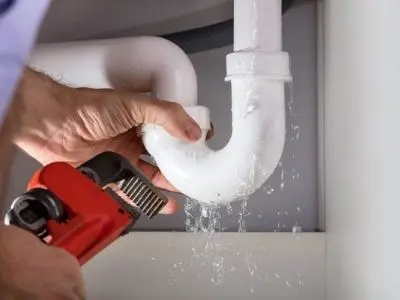
Person using a pipe wrench to fix a leaking white PVC pipe under a sink, illustrating evidence of plumbing problems and the need for timely repairs.One of the first signs of plumbing problems is a small leak. Weakened and aging pipes can form cracks from water pressure, corrosion, or other general wear and tear. Rubber and silicone seals and washers may break down or tear, causing a slow leak around faucets or showerheads.  

A homeowner should not ignore evidence of a pipe leak, no matter how small, because small leaks can quickly lead to more significant leaks. Listed below are a few of the signs that indicate a persistent leak:

  • Mold or mildew
  • Sounds of running water
  • Dripping
  • Soggy spots on the floor
  • Water pooling outside where it shouldn’t be

Put Grease in the Trash, Not the Sink

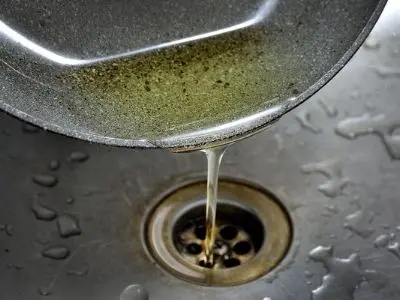
Pouring cooking oil into a kitchen sink drain, highlighting improper disposal practices that can lead to plumbing clogs.One of the great things about the summer weather is grilling outside and spending time with family, friends, and neighbors. Food prep and disposal can be hard on a kitchen, though. A nasty clog can ruin an evening of summer fun. That’s why people should consider what they put down the drain. 

Even the kitchen drain with top-of-the-line garbage disposal cannot accommodate all forms of food debris. Cooking oil and grease are perhaps the worst perpetrators of clogs because, in their liquid forms, they would seem to be easily disposed of by sending them down the drain pipes, but they cannot be dissolved by water as most things can. However, oils and fats can bind up other food and waste particles and create a hard, insoluble ball of a pipe clog that the water cannot break up. Homeowners and their guests should always dispose of grease by pouring it into a sealed container and then putting it in the trash.

Keep the Drains Clean

Another easy bit of pipe clog prevention maintenance is regularly flushing home drains. Just as other parts of the house need regular cleaning, drains can benefit from a bit of a clear-out. This does not have to be intensive, and several easy ways exist to perform this task. Below are two easy methods to use and one to avoid entirely.

  • The Hot Water Flush: This method is done by boiling water and pouring it slowly down the drain. This can help remove anything water-soluble that may be stuck in the pipes.
  • The Baking Soda/Vinegar Combo: Almost everyone did the grade school science experiment of the baking soda and vinegar volcano. This eruptive but harmless chemical reaction can help flush dirty pipes. The baking soda should be poured into the drain and followed by vinegar. 
  • NO Chemical Drain Openers: Those handy plastic bottles on the grocery store shelf may seem like a convenient choice for drain cleaning, but the chemicals are not selective about what they break down and can cause or worsen existing corrosion on the drain pipes.

About B&L Plumbing and Heating 

Veteran-owned B&L Plumbing and Heating has served Colorado Springs, CO, for over two decades. Offering 24-hour emergency service and no after-hours charge, they can bring high-quality workmanship and individualized options for all their clients. Call today for peace of mind and quality plumbing service.