Plumbing Issues That Cause Home Flooding: Here's What to Know

plumbing issues that cause home flooding: here's what to know

Facts About Home Flooding That Homeowners Should Know

Finally, after what feels like forever, spring is here with the upcoming flowers from all the April showers! Temperatures are rising once again and the sun seems to be shining just a little bit brighter. It’s a beautiful time of year because spring symbolizes a time of renewal when everything comes back to life. But there is one harsh reality that often comes as a package deal with spring: heavy rains.

These heavy rains can spoil that delicious backyard BBQ and cause some serious damage to the overall plumbing system. If the plumbing system is not properly maintained prior to the heavy rains of spring, the home can easily flood. Homeowners should take this knowledge as a warning, so they can be prepared for the damage that may be right around the corner.

Crippling Pressure of Heavy Rains

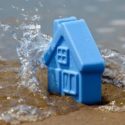
heavy rainsSpring can be such an exciting time! People come out of their winter hibernation stage, the flowers start to bloom, and the parks and beaches start to fill with people. But as mentioned, the springtime can bring some heavy rains, which impacts the plumbing system.

All of that extra rainwater creates a crippling amount of pressure on plumbing pipes due to the extra weight and the extra work that the pipes have to perform. This pressure can cause the pipes to burst or crack, and most homeowners recognize that the “story of a burst pipe” ends in a nightmare!

Burst pipes can result in flooding, which damages the floors, cabinets, furniture, walls, and more. On top of all that, it can also lead to mold growth if the water isn’t cleaned up quickly. Homeowners should always check two things after heavy rainfall to minimize potential damage.

  1. First, walk around the house (yes, every room) to make sure the floors and carpets are still dry. This is the easiest way to spot a flooding problem.
  2. Second, run water down the drains to see if they are draining at a normal pace. If a pipe broke, dirt, rocks, leaves, and other debris could enter into the pipe, cause a clog, and slow the drains.

Watch for Underground Pipe Damage

underground

Heavy rains don’t just put water pressure on pipes that are in the house. They also put pressure on pipes that are under the house and can cause damage to these pipes as well. Just like people try to get outside and soak up as much sun as they can during the spring and summer months, the ground will try to soak up as much rainwater as it possibly can.

When it starts to absorb all of this water, the dirt becomes soft, muddy, and heavy. The slipperiness of the ground can cause the pipes to shift, and if they shift too much, they can crack. If the dirt around the pipes becomes too heavy, the pipes can also crack under the weight. Both of these situations lead to flooding and plumbing damage.

Dangerous Foundation Shifts

homes cracksAdding to the damage that underground pipes can see from heavy rains, saturated soil can also lead to dangerous home foundation shifts. This level of excess moisture increases the hydrostatic pressure of the ground under the foundation, which can then push against the foundation and cause it to shift. To avoid foundation shifts, here are a few things homeowners can try:

  1. Clean out gutters and spouts: Water pours right over the edge of the gutter when it's clogged, causing the ground near the house’s foundation to become saturated.
  2. Add mulch around the house: Mulch can help soak up excess water and prevent it from reaching the soil closest to the foundation.
  3. Gently sloped landscaping only: Any landscaping that homeowners add to their home should be sloped in a way that allows water to run away from the house, not towards it.

About B&L Plumbing and Heating

B&L Plumbing and Heating is a local Colorado Springs plumbing company dedicated to providing top-quality services for their customers including leak detections, and even slab leak repairs. They believe that being a great plumber means more than just having a license and the right tools – it’s also about providing exceptional customer service.

Do You Know Exactly What To Do When the Toilet Won't Flush?

do you know exactly what to do when the toilet won't flush?

Tips for Fixing a Clogged Toilet

When a toilet won’t flush at home, it can cause not only embarrassment for the homeowner but also potential health hazards for everyone living there. Wastewater is full of bacteria and other pollutants that not only damage things like drywall and bathroom furniture but also could put your family at risk. Luckily, there are three common fixes that plumbers would like to share to unclog a toilet. They are all easy steps that homeowners can take when the toilet won’t flush and they need the help of their local plumber.

Toilet Won’t Flush? Try Hydrojetting

Blue water splash graphic representing plumbing issues and hydrojetting services.Often, the cause when a toilet won’t flush is actually a clog further down in the plumbing system. When regular plunging or snaking won’t work, one last option is to hire a plumber to perform hydrojetting service.

Hydrojetting uses highly pressurized water blasted into the pipes to thoroughly clean and scour the inside of the plumbing. It was designed to quickly remove build-up like grease, scale, and other solid debris that may have built up on the pipe walls.

This leads to a full and comprehensive pipe cleaning, which can also flush through any clogs that may be the cause when a toilet won’t flush. This service should always be performed by a licensed plumber, due to the risk of damage to the pipes.

Check The Tank’s Water Level

Another common cause when the home’s toilet won’t flush is that the water level in the toilet tank is too low. Too low of a water level does not let the toilet build up enough water pressure to appropriately flush the toilet.

Toilet tank interior showing water level, float arm, and float cylinder for adjusting water pressure to ensure proper flushing.

To adjust the water level, homeowners can do one of two things: by using the float arm or the float cylinders.

If there is a float arm present, look for the adjustment screw that is located on top of the fill valve. This will let you raise the arm to allow for more water in the tank. Some older float arms do not have the necessary screw needed to raise the arm, and will likely need to be replaced by a newer version.

If the toilet has a float cylinder, the float clip will need to be squeezed and slid up so that more water can fill the tank.

If The Toilet Won’t Flush, Check The Flush Handle

Flush handle on a toilet tank, essential for flushing functionality, highlighted in plumbing maintenance context.One last option for when a toilet won’t flush in the home is to check the flush handle. Sometimes a faulty handle won’t be able to flush the toilet successfully and will need to be either repaired or replaced. This can be done with just an adjustable wrench or a pair of pliers.

Start by shutting off the water to the toilet, then flush the toilet two times to get rid of all the water in the tank. Disconnect the chain or wire from the lift arm next.

Using either the wrench or pliers, turn the handle nut clockwise to unscrew it, then remove the lift arm and handle. Homeowners should bring this entire piece with them to the hardware store to ensure an exact match.

Install the new handle by inserting the lift arm through the open hole, then screw the nut back in counterclockwise to attach the handle. Reattach the chain or wire to the lift arm, and flush the toilet a few times to adjust the water height. This will fix most of the flush handle issues when a home’s toilet won’t flush.

About B&L Plumbing and Heating

Since 1999, B&L Plumbing and Heating has been providing sewer clean-out installation, clogged toilet repair services, water heater repair and replacement, and other plumbing services to the Colorado Springs, CO area. There are no after hour fees and the team offers only the highest quality work and exceptional customer service. The business is family owned and operated.

The Main Reasons Why Homeowners Shouldn't Ignore Dripping Faucets

the main reasons why homeowners shouldn't ignore dripping faucets

Dripping Faucets Are a Big Problem

Dripping faucets can occur anywhere in the home, from the kitchen sink to outdoor kitchens, to bathroom leaks. Not only are they annoying, but they can also cause serious damage to the home and plumbing if left unfixed.

Water from dripping faucets will also show up on homeowners’ water bills. Read on to learn more about the causes of dripping faucets, how to prevent them, and why ignoring dripping faucets isn’t a great idea for homeowners trying to save money.

Causes of Kitchen Sink Faucet Leaks

Kitchen sink faucets are larger than those found in bathrooms, as they are designed to not only wash hands, but also dishes, and be used in cooking, etc. They can have a number of different features and components, all of which can contribute to a dripping faucet.

Plumber repairing kitchen sink faucet under countertop, tools and equipment visible, addressing common plumbing issues.Some common causes of leaks in the kitchen sink faucet are:
  • Problem with the O ring: O rings are small discs located in stem screws, which are used to hold the faucet handles in place. When these become broken or worn, leaks can occur.
  • Corroded valve seat: A valve seat is what connects the handle to the spout, and water sediment can build up there and corrode the valve seat over time. To prevent this from happening, homeowners should periodically contact a professional plumber to clean the valve seat and avoid corrosion.
  • Problem with washer(s): This could be a worn-out washer or a washer that wasn’t installed correctly.

A dripping faucet in a working sink should be fixed quickly to avoid additional damage and incur extra costs for homeowners.

Causes of Bathroom Leaks

Anything that can cause a leak in the kitchen sink can also cause leaks in the bathroom sink faucet. If the leak is in the bathtub, it is most likely caused by a worn-out washer. This happens frequently because the washers in these faucets are made from plastic or rubber, which degrades over time as it comes into contact with water. The washer may have also been installed incorrectly.

Showerhead leaking water, illustrating common cause of bathroom leaks related to worn-out washers or improper installation.

In addition to these common causes, a number of other things might cause bathroom leaks or leaks in kitchen sinks, like worn-out cartridges or seals, loose parts, or even water pressure. Professional installation and maintenance is the best way to avoid the hassle of a leaking faucet.

The Big Issue: An Increased Water Bill

Piggy bank wearing blue swimming goggles against a blue background, symbolizing savings and the financial impact of water bill increases due to leaks.Dripping faucets may seem like a minor annoyance, but they waste gallons upon gallons of water each month. Per the EPA, “The average household's leaks can account for nearly 10,000 gallons of water wasted every year and ten percent of homes have leaks that waste 90 gallons or more per day.”

Those wasted gallons will show up on the homeowner’s water bill--by some estimations, it can increase the water bill by up to 10%, wasting enough water to fill up a swimming pool. Thus, ignoring the issue is not free, and is not the best route for homeowners wanting to save money. Repairing dripping faucets is the easiest way to avoid an increased water bill, and save money in the long run.

About B&L Plumbing and Heating

B&L Plumbing and Heating is always ready to help homeowners with an emergency. Their friendly dispatchers and licensed plumbers are always available to diagnose and assess any plumbing system issues, including dripping faucets. They have been providing 24/7 service to Colorado Springs and surrounding areas since 1999.

Think You Understand What Plumbers Really do in Your Home?

think you understand what plumbers really do in your home?

Do You Really Know What Plumbers Do?

Most people appreciate that plumbers are necessary for some emergent repairs, but few realize how large of a role plumbers play in your everyday life and current quality of life. More than just repairing clogged drains or burst pipes, plumbers enable your home to function with more advanced systems that make your life more hi-tech and comfortable than ever before.

They enable immediate access to clean and hot water and immediate removal of dirty, wastewater. Without these systems, everyone's quality of life would look very different. Thanks to their attention and commitment, modern homes run smoothly and efficiently. Here are a few important things that plumbers do that are often overlooked.

Managing Waste Disposal

Toilet flushing with water swirling in the bowl, highlighting essential waste disposal in plumbing systems.Thankfully, you probably don’t think much about waste disposal, but it’s perhaps the most important part of your home’s plumbing system. Your home has two piping systems - one for clean water and one for wastewater.

The wastewater line carries dirty water and waste out of your home and to the main sewer line. If you’re on a municipal sewer system, that sewer line will then connect to a city line and waste is carried through that line to a water treatment facility.

When your home’s plumbing systems are working properly, this waste removal happens without you even thinking about it. Your plumber ensures that your piping systems are working properly and that sewage is effectively carried to your main sewer line and to the city line. This work is essential for your home’s plumbing systems to work properly and avoids having sewage backups and wastewater build ups in your home.

Handling Appliance Maintenance

In addition to handling your basic plumbing systems, plumbers help to maintain many of your most relied-upon appliances. Plumbers maintain working washing machines, dishwashers, and refrigerators, all of which require plumbing components and access to clean water to function.

Plumber repairing washing machine with tools, while homeowner observes, highlighting appliance maintenance services.

It’s hard to imagine a day passing without these important appliances, and it’s your plumber’s skillful installation and maintenance that helps to ensure that these appliances work properly and consistently.

Installing And Maintaining Pipe Systems

Black plumbing pipes with red valves arranged on a white background, illustrating a complex piping system essential for waste removal and water flow in home plumbing.Your piping system is the foundation of your home’s plumbing system. It ensures that clean water gets where it needs to be - to toilets, faucets, appliances, etc. - and that dirty water is carried out of your home. Proper installation and maintenance of your piping ensure that the system works correctly and that there are no leaks, burst pipes, or clogged pipes.

Plumbers are responsible for installing the piping system and maintaining it. Without a functioning piping system, your home would not have ready access to clean water or the ability to immediately rid your home of dirty water. Plumbers play an important role in maintaining your current quality of life.

They do the important work of installing and maintaining your plumbing systems and many important appliances. If you have any concerns or questions about your home’s plumbing systems, contact a local professional for advice or service.

Your Local Plumbing Pros

B&L Plumbing and Heating has been providing quality plumbing services to the Colorado Springs community for over 20 years. Their team of experts is committed to meeting each customer’s unique needs and providing superior customer service.

Don't Let Frozen Pipes Ruin Your Winter Time This Year

don't let frozen pipes ruin your winter time this year

Tips for Avoiding Frozen Pipe Disasters

Nobody ever wants to be stuck in a situation where pipes fail on the coldest night of the year. Frozen pipes not only leave the house freezing but can get very costly. With temperatures dropping, it is very easy to forget how fragile pipes can be. Frozen pipes can rupture and lead to a whole world of problems. Here are some tips that will help to keep pipes from becoming victim to the cold this winter.

Heat Tape to the Rescue

One trick that homeowners can use to ensure that pipes don’t freeze is to apply heat tape. Heat tape supplies heat directly to the pipe when there is a chance that the temperatures will be cold enough to freeze your pipes. The tape is most effective in smaller sections of pipes that are at a higher risk of freezing. Tape should be applied in areas that can be easily accessed to monitor the situation.

Heat tape coil for preventing frozen pipes, essential for winter plumbing maintenance and insulation.

Two different kinds of heat tape can be applied to certain parts of the piping system. One type of heat tape will automatically turn on or off depending on how cold the temperature is outside. The other type of heat tape needs to be plugged in when you want to apply heat. Similar to a space heater, homeowners should keep an eye on the pipes when heat tape is turned on.

Add Additional Insulation

Foam insulation sleeves for pipes, emphasizing protection against freezing temperatures, relevant to plumbing maintenance and pipe insulation solutions.Homeowners can try to insulate pipes in colder parts of the house to avoid a frozen pipe repair. It would be best to insulate pipes that are in the open. It can be a bit more challenging to insulate pipes that are located behind walls, in ceilings, or under the floor.

However, this could be an additional way to try to protect the pipes in the home. Another trick is to fit pipes with foam rubber or fiberglass sleeves. This can be a rather inexpensive solution for those pipes out in the open.

It is important to remember, however, that insulation does not prevent pipes from freezing. Its main purpose is to try to keep the pipes at the same temperature as the water inside of them. If the pipes are exposed to freezing conditions for an extended period of time, there is a good chance the pipes may still freeze.

Dripping Faucets Are an Easy Defense

A final tip for homeowners is to allow faucets to slowly drip into the plumbing water cycle during frigid temperatures. There only needs to be a slight drip to be effective. When a pipe does freeze, it is because of the pressure that builds up between the blockage and the faucet.

Brass faucet with a slow drip, illustrating a method to prevent frozen pipes during cold weather.

When the faucet is open, the pressure is reduced and will help to protect the pipe from bursting. Even if the faucet has both a hot and cold knob, it is important to turn both on far enough to drip. This helps to keep the balance between both temperatures.

About B&L Plumbing and Heating

B&L Plumbing and Heating is dedicated to providing the best service possible to its customers through workmanship, top-notch products, and best in class service that can always be expected from its employees. B&L Plumbing and Heating offers 24/7 services because plumbing problems can happen at any time!