
How Your Kitchen Plumbing Can Lead To a Safer Kitchen

Man cooking in a kitchen, focusing on sautéing vegetables in a pan, emphasizing kitchen plumbing safety and cooking practices during holiday meal preparations.

Now that fall is on its way to Colorado Springs, bringing with it holidays with a direct focus on cooking large, shared meals with family, it’s time to discuss the importance of kitchen plumbing safety.

As you open your kitchen and your home, make sure that you use caution when it comes to your cooking habits. Keep your home, your friends, and your family safe this holiday season, and guarantee Thanksgivings and Christmases for years to come.

Keep Your Kitchen Plumbing Clog-Free With Grease Traps
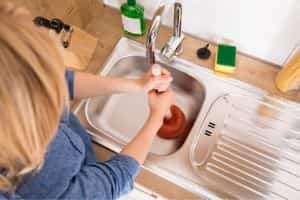
Person using a plunger in a kitchen sink to clear a clog, highlighting kitchen plumbing maintenance and troubleshooting.When cooking larger, more elaborate meals, families tend to use more pots and pans than under ordinary circumstances. With that increase in dishes also comes an increase in the amount of grease that can potentially end up both in your sink and down your drain.

In addition, many holiday meals are made with cooking grease and other high-viscosity fats, like lard, that tend to solidify as they cool. This leads to the potential for additional clogs in your kitchen plumbing. Using a grease trap can stop clogs before they stop.

This common kitchen plumbing device slows down the flow of hot water to stop the majority of grease as well as solid matter from entering your pipes and, ultimately, into the wastewater system. Make sure you have a working grease trap installed before inviting over all of those holiday guests. This will prevent an emergency service during your holiday festivities.

A Kept Secret to Keep Your Drains Clear

Girl in pink shirt making a shushing gesture, emphasizing quietness and secrecy.One of the lesser-known secrets of kitchen plumbing that we love to share with the residents of Colorado Springs is the “hot water trick.”

While it doesn’t have to be done this frequently during the rest of the year, using it once weekly when you’re doing your heaviest cooking is recommended to keep your pipes free and clear of any blockages.

Start by boiling a large pot of water on the stovetop. Once it has reached a full boil, pour approximately half of the pot directly down the drain. After about five minutes have passed, pour the remainder of the pot down the drain as well. This helps to melt and loosen up any grease that may be trapped in your kitchen plumbing, which helps keep your drain clog-free and ready for action.

The Do's and Don’ts of Garbage Disposals

Close-up of a kitchen sink drain with running water, emphasizing plumbing maintenance and garbage disposal usage relevant to kitchen plumbing solutions by B&L Plumbing and Heating.One of the most common questions plumbers get asked is what they should and shouldn’t put into their garbage disposals. Knowing the dos and don’ts of using your garbage disposal can help you save both time and money on emergency kitchen plumbing services, especially during the holidays.

You can put the majority of biodegradable food products down your garbage disposal. These food items include scraps of leftover meat, scraps of fruit and citrus rinds, and nearly all vegetable scraps.

However, there are a few things you absolutely should not put into your garbage disposal. While some people may argue that eggshells are safe, it is recommended that you don’t allow them into your disposal as they can potentially get stuck along the edges and slow down the motor.

Coffee grounds, bones, banana and potato peels, pasta/rice, fruit pits, and paper scraps should also not be allowed in the disposal, as they can all end up harming your kitchen plumbing system.

By following the few simple, easy-to-follow steps that we’ve listed above, you can keep your home and your kitchen plumbing safe this holiday season. If you do encounter any plumbing emergencies, please don’t hesitate to contact us here at B&L Plumbing and Heating by giving us a call at (719) 638-7341.

Top 3 Garbage Disposal Mysteries

Colorful numbered circles representing steps or tips for maintaining kitchen plumbing and garbage disposal safety.

In the United States, most homeowners have a garbage disposal in the kitchen. As such a popular appliance, it’s easy to take the lowly garbage disposal for granted. Garbage disposals are wonderful appliances.

They allow us to scrape food down the drain while doing dishes without worrying about clogs. They also reduce the amount of waste we have to haul out to our trash can each week. But you know what they say: out of sight, out of mind.

If you’re not careful, your garbage disposal might be hiding more than just the food you want to be rid of. If you’re not using and caring for your disposal properly, it could be hiding unsightly clogs that could lead to expensive plumbing bills. As those clogs sit and fester at your disposal, they could also be hiding colonies of stinky bacteria.

How Long Does a Garbage Disposal Last?

The life span of your garbage disposal is highly dependent upon how well you care for it. With proper use and maintenance, the average disposal lasts 12 years. If you’re really intentional about caring for your unit, it can last up to 15 years or more.
To help your disposal last longer, avoid putting the following items into your disposal:

  • Coffee grounds - Although some may claim that coffee grounds can deodorize disposal, they’re more likely to solidify in your drain and cause clogs.
  • Thin, membranous materials like onion skins, egg shells, or potato skins - These are too small to be effectively ground up by the disposal, so instead, they’ll stick to the unit and collect other debris.
  • Fibrous vegetables like pumpkin, celery, or corn husks - Anything that’s long and stringy will be difficult to grind and will instead wrap itself around your disposal blades.
  • Bones, fruit pits, seafood shells - Some newer disposals are capable of handling really solid materials, but if you aren’t positive that your machine can handle them, it’s best to just throw them in the trash.
  • Grease - Always dispose of grease in the trash, or you’ll end up with a huge issue in your drains.
  • Harsh chemicals or non-edible materials - Chemicals can cause corrosion and shorten the life of your machine, and trash should just go in the trash.

Be sure to run your disposal regularly, even if you don’t have anything to put in it. This keeps the parts loose and limber. You also want to make sure that you’re not overworking your disposal. Grinding a lot of large pieces of food, pasta, and bones will shorten the life of your disposal.

What Ingredients Do Disposals Love to Eat?

Hand disposing of leftover pasta and vegetables into a red garbage bin, illustrating kitchen waste management and garbage disposal practices.

Believe it or not, your disposal does LOVE to eat as long as you give it a cold drink of water to help the food down. While you don’t want to ever pour grease into your disposal, it’s likely that some of the butter from your potato will make it down the drain from time to time.

Cold water solidifies fats so they can be ground up and run down the drain without clogging. Disposals like to eat citrus peels to stay fresh and deodorized, as well as ice cubes to stay clear of debris. If you really want to feed your disposal well, consider freezing vinegar cubes. This will help clean off the blades while also disinfecting them.

Your disposal has a light appetite, so stick to feeding it scraps rather than full meals to keep it healthy. They like to eat like a baby, so anything you wouldn’t give to little Timmy should go in the trash rather than the disposal. Cooked meat, fruit, non-fibrous vegetable scraps, and other soft, biodegradable foods are ideal for your disposal.

Which Garbage Disposal is the Quietest?

The Insinkerator brand disposals are well-loved in American kitchens and have been for decades. The Insinkerator Evolution Excel emits just 45 decibels (approximately the volume of a bird call) when it’s running and is consistently rated as the quietest disposal currently available.

It features Insinkerator’s SoundSeal technology for “noise-free” operation. Unfortunately, it also comes with a hefty price tag of about $350. Other considerations when choosing a disposal are power and size. Smaller disposals with 1/2 horsepower or less are often available for under $100, but they’re more prone to clogs.

Disposals with 3/4 or 1 horsepower often have insulation to reduce sound and are less likely to clog, but they’re larger. Before purchasing a disposal, make sure you have enough room under your sink to accommodate the appliance.

Treat Your Disposal Right, and It’ll Treat You Right Too

The garbage disposal is an important feature in a lot of kitchens, and sometimes you don’t realize how valuable it is until it stops working. Feed your disposal right and run it regularly to keep it working for a decade or more. This way, you won't be suffering any plumbing emergencies.