
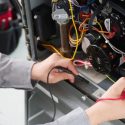
Common Heating Hazards and How To Spot Them
Winter is here, and Colorado homeowners are now relying on their heating systems every day to keep their homes warm and cozy while the snow falls and the icy wind howls outside. And with all that usage, this is the prime time for heating problems to rear their ugly heads.
Some heating issues can increase the heating bills, leave the house feeling chilly, or even take the heater out of commission for a day or two. But as scary as those scenarios are, other heating problems can be even scarier – and more dangerous. This article will explain the biggest dangers of a faulty heater and how homeowners can identify them.
Carbon Monoxide Leaks
Perhaps the most terrifying of all heater problems is a carbon monoxide leak. In gas or oil-burning furnaces, any carbon monoxide produced by the fuel combustion is vented through the flue or exhaust vent. But if the flue or exhaust pipe leaks (due to corrosion, damage, etc.), it can cause carbon monoxide to enter the home. CO leaks can also occur due to a faulty pilot light or cracked heat exchanger.
Carbon monoxide poisoning is a very serious health risk, as it can cause unconsciousness, damage to internal organs, and even death. To protect against a carbon monoxide leak, homeowners should install CO detectors throughout the home (particularly near the furnace or other gas appliances) and have their heater serviced by a professional every year. If they notice any symptoms of CO poisoning, such as headaches, nausea, dizziness, shortness of breath, chest pain, fatigue, or confusion, they should exit the home and call their local emergency services at once.
Mold Growth Inside the Heater or Air Ducts
 Another dangerous issue to watch out for is mold development inside the home’s air ducts or the heater. Mold growth is most common in heat pump systems, which function as heaters and air conditioners. In cooling mode, the unit helps remove moisture from the home’s air, condensing it from vapor into liquid. If this liquid doesn’t drain away immediately, it can facilitate mold growth very quickly, and that mold can survive inside the unit all year round. The mold spores can then spread to the home’s air ducts and throughout the home as air flows through the system.
Mold in the heating system or ductwork can have negative health outcomes. It can cause respiratory irritation or infections, exacerbate allergies and asthma symptoms, and significantly reduce indoor air quality. If homeowners develop any of these symptoms, notice a musty smell, or can see mold growth in their air ducts or in and around their heater, they should call a professional for a heater cleaning or air duct cleaning as soon as possible.
Overheating
 Lastly, overheating a heater or furnace can be extremely dangerous and surprisingly common. Overheating can occur for various reasons, such as restricted airflow (usually due to a dirty furnace filter), short cycling (the unit frequently turns on and off), faulty internal components, or old age.
Overheating can cause the heat exchanger to crack (as mentioned above, lead to a carbon monoxide leak), damage the blower motor or other key components, and even cause a furnace fire. Some signs of an overheating furnace include burning smells, a loud humming noise from the heater, or shutting down before the thermostat reaches the correct temperature.
If homeowners notice these signs, they should immediately turn the system off and call a professional for heater repair. To help prevent overheating in the first place, homeowners can replace their HVAC air filter(s) every 1-3 months and schedule regular heating maintenance (ideally once every autumn) with a professional to help catch and resolve any issues that may lead to overheating – as well as the other issues mentioned above!
About B&L Plumbing and Heating
B&L Plumbing and Heating has been handling Colorado Springs homeowners' and business owners' plumbing and HVAC needs since 1999. Their commitment to quality workmanship, outstanding customer service, and impeccable reliability has earned them numerous 5-star reviews and awards – they were even named the “Best Emergency Plumbers in Colorado Springs” by Expertise.com. They offer competitive up-front pricing, a money-saving maintenance plan, and 24/7 emergency response with no after-hours fees, so call B&L anytime for heating repair in Colorado Springs, CO!
)
Distribution Links +
- austin.newsnetmedia.com
- boise.newsnetmedia.com
- buffalo.newsnetmedia.com
- columbia.newsnetmedia.com
- columbus.newsnetmedia.com
- detroit.newsnetmedia.com
- fresno.newsnetmedia.com
- jacksonville.newsnetmedia.com
- losangeles.newsnetmedia.com
- minneapolis.newsnetmedia.com
- monterey.newsnetmedia.com
- myrtlebeach.newsnetmedia.com
- nashville.newsnetmedia.com
- norfolk.newsnetmedia.com
- odessa.newsnetmedia.com
- pittsburgh.newsnetmedia.com
- portland.newsnetmedia.com
- quincy.newsnetmedia.com
- sacramento.newsnetmedia.com
- saltlakecity.newsnetmedia.com
- sanantonio.newsnetmedia.com
- santabarbara.newsnetmedia.com
- siouxfalls.newsnetmedia.com
- waco.newsnetmedia.com
- sports.newsnetmedia.com
- lifestyle.roanokenewstalk.com
- lifestyle.995jamz.com
- https://smb.ourdavie.com
- https://smb.state-journal.com
- https://smb.thecharlottegazette.com
- https://smb.thecoastlandtimes.com
- https://smb.theinteriorjournal.com
- https://smb.thetidewaternews.com
- https://smb.tryondailybulletin.com
- https://smb.winchestersun.com
- https://smb.farmvilleherald.com
- https://smb.salisburypost.com
- https://smb.shelbycountyreporter.com
- https://smb.smithfieldtimes.com
- https://smb.suffolknewsherald.com
- https://smb.thewashingtondailynews.com
- https://smb.thewetumpkaherald.com
- https://smb.cordeledispatch.com
- https://smb.lagrangenews.com
- https://smb.middlesboronews.com
- https://smb.roanoke-chowannewsherald.com
- https://smb.tallasseetribune.com
- https://smb.thepostsearchlight.com
- https://smb.valleytimes-news.com
- https://smb.lowndessignal.com
- https://pr.washingtoncitypaper.com
- https://smb.theleesvilleleader.com
- https://smb.prentissheadlight.com
- https://smb.beauregardnews.com
- https://pr.hattiesburg.com
- https://pr.walnutcreekmagazine.com
- https://pr.thembnews.com
- https://pr.stylemg.com
- https://pr.bradfordvillebugle.com
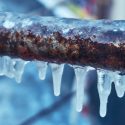
 The water inside the piping is susceptible to freezing. Once the temperatures dip below 32 degrees, water will slowly freeze. The further the temperature drops, the faster this process will be.
  The first tool to help prevent frozen pipes and the resulting burst pipes is a product called pipe insulation. Indeed, pipe insulation is so good at its job that it is often the only tool homeowners need to completely protect their plumbing during the winter.
 )

 To prevent a plumbing emergency, preventing clogs should be a priority. Not only is a clogged sewer line one of the primary reasons behind sewage backups, but it is also among the causes behind some of the most common plumbing problems experienced at home, such as burst pipes and
  While drainages and pipes are understandably the priority for plumbing maintenance, water heaters shouldn’t be neglected either since they are also connected to the plumbing system. Water that courses throughout a home’s plumbing system often goes through the water heater, so this very important household appliance - be it a traditional storage tank heater or a tankless one - deserves just as much care as plumbing.
)

 The first way to prevent clogged sewer lines is to have the home’s drains cleaned by a professional as part of routine plumbing maintenance. Drain cleaning typically involves using a
  Homeowners can help prevent drain clogs between drain cleaning services by limiting how much debris goes down the drains. One great way to do this is with mesh drain screens, which capture larger objects while still allowing water to go through. Things like hair and food solids contributing to clogs will be stopped from going down the drains, drastically lowering the chance of clogged pipes.
)

 A slab leak can fester for months before it shows apparent signs. That's why knowing the symptoms of such a leak is so important. The sooner a homeowner gets a professional's help, the more damage they can mitigate. Some signs of a slab leak include:
  Some things in life have a way of fixing themselves. Unfortunately, slab leaks are not one of them. They need immediate attention, or else the issue risks worsening. A professional may fix a slab leak by:
 )