There are always surprises when it comes to owning a home. Everything is working as it should be until the pipes start leaking, the hot water stops flowing, or the drains start slowing. Slow and blocked drains can be a real hassle. They are a common problem caused by hair, dirt, mineral buildup, or other things that get caught in the drain and stop water from flowing well. Blocked drains cause dirty water to set onto the sink bowl or the shower or tub floor.
In this article, homeowners can learn about the best methods to get rid of blocked drains when they happen.
Snaking the Drain
In the case of a blocked drain, one of the first products homeowners turn to is liquid drain cleaner. However, these contain harsh chemicals that can be hazardous to a person's health and can even damage the plumbing system. Therefore, it's best to avoid these types of products and use different methods like snaking to clear the drains.
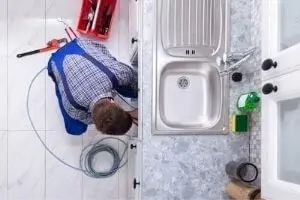
A drain snake is a flexible device that can maneuver inside pipes to catch and clear out clogs that may block them. Plumbers will insert the snake into the pipes and rotate the device to grab hold of the clog and pull it out. While it's an easy tool to use, there are some potential pitfalls for homeowners that try to snake drains by themselves. If not used properly, the snake could push the clog further down the pipe, where it becomes harder to reach and remove. Therefore, it's best to let a professional plumber handle the snaking process.
Hydrojetting the Pipes
Hydrojetting is another popular option that is safe and effective for the plumbing system. It's a more eco-friendly cleaning option since only water is used to clear the clogs rather than chemicals or other materials. The method sprays a blast of high-pressure water into the plumbing pipes, which forcefully clears out clogs and removes any other buildup.
Hydrojetting is commonly used to clean out sewer lines, but it can be used on any clog, whether in a sink, a shower, toilets, or other plumbing mechanisms. As mentioned, it's very safe for pipes, but only when handled by the right people. High-pressure water is more powerful than most people think; it's strong enough to cut through metal! And when it's not in the right hands, it can open holes in the pipes and plumbing system. Only trained professionals should execute hydrojetting to ensure that the plumbing system remains safe and intact.
A Temporary Solution with Baking Soda & Vinegar
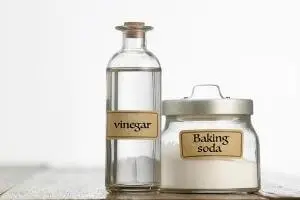
When homeowners are looking for a plumbing solution, they often turn to the DIY options. In the case of blocked drains, baking soda and vinegar are commonly used as a solution. When these ingredients get mixed, they create a chemical reaction to help remove clogs and buildup that exist in the drain. However, homeowners should know that this solution is only temporary and won't work against larger, tougher clogs that may be at play. Plumbing professionals would only recommend this method to give some initial relief until a long-term solution can be implemented.
About B&L Plumbing and Heating
B&L Plumbing and Heating is a local Colorado Springs, CO plumbing company dedicated to providing top-quality service for its customers for over two decades. They believe that being a great plumber means more than just having a license and the right tools. It's also about providing exceptional service, and B&L plumbing offers both.
While most homeowners are very familiar with their pipes, some aren’t aware of what the home’s plumbing system is versus the sewer main line. Unfortunately, there is a significant difference between a clog in the pipes and one further down in the sewer main.
Knowing more about how they differ and what can be done to prevent and maintain them is essential information for any homeowner, especially when in need of plumbing services much like drain cleaning.
What Is the Home’s Sewer Main?
The home’s sewer main is what connects the drains in the home to the drain attached to the sewer main. It is located under the ground in the yard and is likely the responsibility of the homeowner to maintain instead of the city.
Most sewer main lines are less than 6 inches in diameter and should be on a downward slope so that sewer material doesn’t flow back into the home. Unfortunately, due to their small size, sewer main lines have a tendency to clog more easily than other pipes in the home.
Are There Any Sewer Main Services Needed?
While routine maintenance of the sewer main is recommended, most homeowners don’t seek services until after they have noticed a problem.
Sewer main clogs should always be managed and addressed by a trained, professional plumbing company. With these clogs, there is a larger risk of a burst pipe which can end up causing substantial damage and expense if not noticed quickly.
There are more options available for sewer main clogs if they are found and treated early. Signs that the home may be dealing with a sewer main clog include:
Bad Odors - Many homeowners describe the smell as sewage, as it is often the result of the sewer main backing up into the home.
Water Bubbles - This happens when air gets caught between the clog and the drain.
Strange Gurgling Noises - These are often noticed coming from the toilet or bathtub.
Continuing/Recurring Issues - If the toilets in the home have recurring issues with slow water flow or frequent clogs, there might be a problem lower down in the sewer main.
What Happens If the Home Develops a Sewer Main Clog?
Sewer main clogs can happen for a few different reasons. The most common of those reasons are tree roots and debris, although there are other reasons they may occur as well.
Tree roots are the most common cause of a sewer main clog, though, because they are so prevalent in the yard. Over time, and especially with older trees, the roots seek out the moisture in the pipes. If there is even a small leak, the tree roots can sense them and will grow towards them.
The other cause of sewer main clogs, debris, is more likely to come from inside the home. When inappropriate objects are flushed (like baby wipes, feminine hygiene products, etc.), they may end up clogging the pipes under the home. Over time, this may go from just slowing down the home’s water pressure to stopping the flow of water entirely.
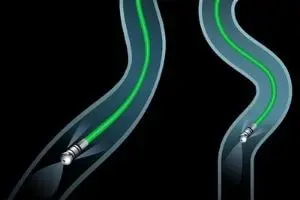
Both of these are reasons why regular plumbing maintenance is important. Having regular inspections, especially with video, can find clogs before they can become a larger problem.
About B&L Plumbing and Heating
Located in Colorado Springs, Colorado Springs, B&L Plumbing and Heating has been in business since 1999. They offer a range of services all focused on providing you a seamless and convenient experience. B&L Plumbing and Heating is veteran-owned and always puts customer satisfaction first.
Ever have a plumbing emergency? It’s not such a pretty sight. They happen without warning, cause a ton of panic, and result in a ton of damage. Someone could walk into the room and quickly notice water pouring down the walls from a burst pipe. The water wiggles its way behind cabinets, furniture, and underneath the floorboards. Staples in your home may have to be ripped out and replaced due to water damage, pipes might need to be replaced, and the walls will need to be repainted so they don’t have water stains.
In times like these, it’s essential to have a 24-hour emergency plumbing service available. In this article, homeowners can learn about the services and benefits of 24-hour plumbers. It will also discuss the importance of having an emergency plumber nearby and ready to call; there’s no time to waste!
What Is a 24-Hour Plumber?
A 24-hour plumber is essentially what it sounds like. A plumbing professional or company that is available around the clock in case an emergency happens. Plumbing emergencies are bound to happen at some point in every homeowner’s life.
For instance, if there is a burst pipe in the wall, a plumber will be able to identify exactly where the broken pipe is located and replace that exact spot to minimize the damage to the rest of the home.
The main focus should always be on limiting damage to your home and finding a long-term fix for your plumbing needs. And these are solutions that a 24-hour plumber will give to you at any time!
How Much Time Do Plumbers Take?
In the middle of a plumbing emergency, most homeowners don’t have much time to wait around and think. Action needs to be taken fast! Depending on how busy a plumbing company is it could take days for someone to come out, especially if the company is located out of town.
This is why it’s so important to have an emergency plumbing company nearby that can come out to assess and resolve the problem within 24 hours. Homeowners should take the time to research plumbers near them before an emergency happens. This way, when the inevitable occurs, they have a number to call right away.
Common Emergency Plumbing Services
The fix to a plumbing emergency depends on how severe the emergency is; there isn’t usually a standard solution. If a toilet is clogged, that’s one thing. But if a toilet is clogged and overflowing, more extreme measures need to be taken.
Professional plumbers will have all of the right tools, technology, and knowledge to assess the situation and implement a solution. Here are a few of the most common plumbing emergencies that home’s experience:
Burst Pipes
Sump Pump Failure
Broken Water Lines
Clogged Sinks or Toilets
Leaky Washing Machine Hoses
Faulty Water Heater
All of these emergencies can cause a lot of damage to a home. If pipes are leaking or broken, water can get into places that it shouldn’t be, can cause mold growth, and can rack up the water bill for the month.
If there are clogged drains or no hot water coming out of the shower, it makes for an unpleasant experience in the home and slows down daily activities. If any of these emergencies occur, it’s critical that homeowners get them fixed immediately. However, plumbing maintenance has many benefits when it comes to preventing emergency situations.
About B&L Plumbing and Heating
B&L Plumbing and Heating is a local Colorado Springs, CO plumbing company dedicated to providing top-quality services to its customers for over two decades. They believe that being a great plumber means more than just having a license and the right tools – it’s also about providing exceptional service, and B&L Plumbing and Heating provides both.
During this time of great apprehension, the public is looking for any possible way to protect themselves against the spread of viruses and bacteria. One such way you can do this is through your water filtration system. A common form of water filtration is microfiltration.
Microfiltration is when water is forced to pass through a membrane designed to stop any contaminated fluid from also passing through. Such systems help eliminate harmful substances and bacteria from your water supply. The microfiltration process is then usually followed by ultrafiltration.
Ultrafiltration also uses a membrane to remove harmful particles, but usually of a smaller size than microfiltration. This article will dive deeper into these methods and help homeowners find the ideal filtration method to protect their home and family.
The Benefits of Ultrafiltration
While microfiltration is useful, it only eliminates particles that are .1 micrometers in size or larger. While this is great for removing bacteria and harmful materials, viruses are smaller in nature and can still pass through the membrane.
Ultrafiltration uses a membrane that restricts the passage of substances that are .01 micrometers or larger. The smaller restriction size means that ultrafiltration is able to keep viruses as well as bacteria and other substances out of your water.
Ultrafiltration is a better choice if you want to catch all of the possibly harmful substances coming in through your water supply. The process is very helpful to ward off diseases such as Enteric, Hepatitis A, and Norovirus. Such viruses are known to be transmittable by water and usually have a devastating effect on anyone who catches them.
Using the Distillation Process
Along with using microfiltration and ultrafiltration to keep viruses and bacteria out, you can also make use of a distillation process.
Distillation is a process that uses heat and condensation to separate particles in water. The water is brought to a boiling point in order to separate the other compounds from the water as it evaporates.
The vapor is then condensed and collected as the purified water is now separated from impure particles, such as some soil minerals. The distillation process has a high-efficiency rate at separating bacteria, such as E.coli or salmonella from water.
The distillation process is a great method to separate water from other compounds including bacteria. Many of the bacteria that are erased by distillation contribute to serious illnesses. For example, E.coli is a bacteria that is responsible for food poisoning but can also cause pneumonia and urinary tract infections. By using distillation, you are able to better protect against such illnesses.
How Do UV Treatments Work?
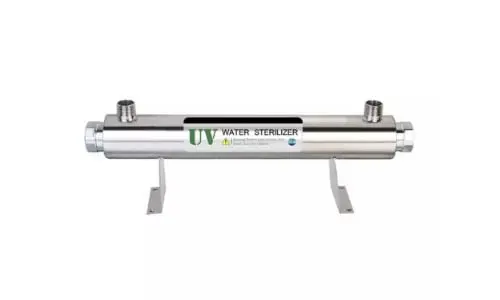
Another useful water filtration method is UV water treatment. This process uses ultraviolet light to penetrate the water as it passes through the filtration system.
The UV rays attack the DNA of any present bacteria and stop their reproduction. These rays destroy over 99% of infectious bacteria and are an environmentally safe method to eliminate contaminants. UV treatments are chemical-free, taste-free, odor-free, and very effective.
UV treatments also require little energy and are low maintenance. Depending on your existing water quality and the types of impurities you’re looking to prevent, a professional plumber can assist you with the filter selection process.
About B&L Plumbing and Heating
B&L Plumbing and Heating has plumbing experts that serve the residents of Colorado Springs and surrounding areas. Run by those who’ve served the country, B&L Plumbing and Heating offers a range of services to help homeowners protect their homes. You can always contact them to learn more about your water filtration options.
Facts About Home Flooding That Homeowners Should Know
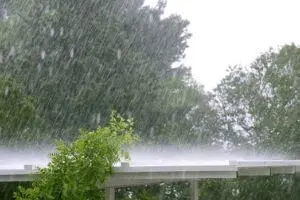
Finally, after what feels like forever, spring is here with the upcoming flowers from all the April showers! Temperatures are rising once again and the sun seems to be shining just a little bit brighter. It’s a beautiful time of year because spring symbolizes a time of renewal when everything comes back to life. But there is one harsh reality that often comes as a package deal with spring: heavy rains.
These heavy rains can spoil that delicious backyard BBQ and cause some serious damage to the overall plumbing system. If the plumbing system is not properly maintained prior to the heavy rains of spring, the home can easily flood. Homeowners should take this knowledge as a warning, so they can be prepared for the damage that may be right around the corner.
Crippling Pressure of Heavy Rains
Spring can be such an exciting time! People come out of their winter hibernation stage, the flowers start to bloom, and the parks and beaches start to fill with people. But as mentioned, the springtime can bring some heavy rains, which impacts the plumbing system.
All of that extra rainwater creates a crippling amount of pressure on plumbing pipes due to the extra weight and the extra work that the pipes have to perform. This pressure can cause the pipes to burst or crack, and most homeowners recognize that the “story of a burst pipe” ends in a nightmare!
Burst pipes can result in flooding, which damages the floors, cabinets, furniture, walls, and more. On top of all that, it can also lead to mold growth if the water isn’t cleaned up quickly. Homeowners should always check two things after heavy rainfall to minimize potential damage.
First, walk around the house (yes, every room) to make sure the floors and carpets are still dry. This is the easiest way to spot a flooding problem.
Second, run water down the drains to see if they are draining at a normal pace. If a pipe broke, dirt, rocks, leaves, and other debris could enter into the pipe, cause a clog, and slow the drains.
Watch for Underground Pipe Damage
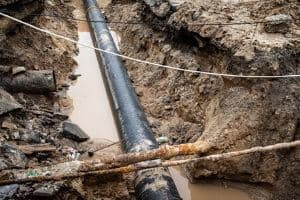
Heavy rains don’t just put water pressure on pipes that are in the house. They also put pressure on pipes that are under the house and can cause damage to these pipes as well. Just like people try to get outside and soak up as much sun as they can during the spring and summer months, the ground will try to soak up as much rainwater as it possibly can.
When it starts to absorb all of this water, the dirt becomes soft, muddy, and heavy. The slipperiness of the ground can cause the pipes to shift, and if they shift too much, they can crack. If the dirt around the pipes becomes too heavy, the pipes can also crack under the weight. Both of these situations lead to flooding and plumbing damage.
Dangerous Foundation Shifts
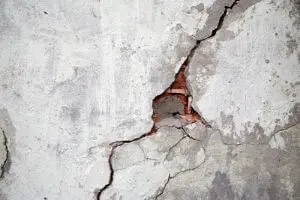
Adding to the damage that underground pipes can see from heavy rains, saturated soil can also lead to dangerous home foundation shifts. This level of excess moisture increases the hydrostatic pressure of the ground under the foundation, which can then push against the foundation and cause it to shift. To avoid foundation shifts, here are a few things homeowners can try:
Clean out gutters and spouts: Water pours right over the edge of the gutter when it's clogged, causing the ground near the house’s foundation to become saturated.
Add mulch around the house: Mulch can help soak up excess water and prevent it from reaching the soil closest to the foundation.
Gently sloped landscaping only: Any landscaping that homeowners add to their home should be sloped in a way that allows water to run away from the house, not towards it.
About B&L Plumbing and Heating
B&L Plumbing and Heating is a local Colorado Springs plumbing company dedicated to providing top-quality services for their customers including leak detections, and even slab leak repairs. They believe that being a great plumber means more than just having a license and the right tools – it’s also about providing exceptional customer service.

)
)
)
)


)
)
)
)

)
)
)
)


)
)
)
)
)
)
)
)