Does the Household Need a Water Softener or a Water Filtration System?

Water Softeners vs. Water Filtration Systems

When evaluating home water treatment solutions, many homeowners struggle to distinguish between water softeners and water filtration systems. Although both upgrades significantly improve overall water quality, they are engineered to resolve different issues within a household plumbing system. Understanding the specific function of each technology is essential for homeowners to select the right equipment for their unique needs.

The Difference Between Water Softeners and Water Filtration Systems

While both water softeners and water filtration systems work to improve overall water quality, they serve distinct purposes. A water softener is specifically designed to target hard water minerals like calcium and magnesium. By removing these minerals, it prevents scale buildup in plumbing and water-using appliances, effectively extending their lifespans and boosting energy efficiency for systems like the water heater. In contrast, a water filtration system focuses on removing contaminants, impurities, and chemicals, ensuring that the water flowing from taps is safer, cleaner, and better-tasting.

Signs to Install a Water Softener
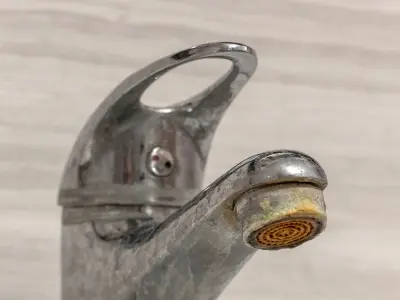
sinkRecognizing the signs of hard water can help homeowners determine if a whole home water softener is the right choice. Common indicators that suggest a need for water softener installation include:

  • Visible mineral and scale buildup on faucets, showerheads, and other fixtures.
  • Skin and hair that feels dry, itchy, or irritated after washing.
  • Persistent spots on dishes, glasses, and silverware even after a dishwasher cycle.
  • Laundry that feels stiff, rough, or fades prematurely.

Signs to Install a Water Filtration System
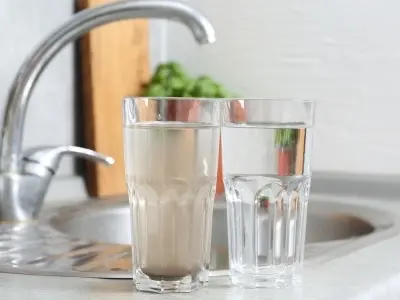
dirty water For those concerned about water purity, identifying the need for a water filtration system installation or a whole home water filter is crucial. Signs that indicate a water filtration system installation or water filter installation might be beneficial include:

  • Water that has a strange, metallic, or otherwise unpleasant taste.
  • Water that emits an unusual smell, such as chlorine or sulfur.
  • Cloudy or discolored water coming from the tap.
  • General concerns regarding potential contaminants, sediment, or unwanted chemicals in the municipal or well water supply.

Implementing a whole-home water filtration system can provide peace of mind by ensuring high-quality water throughout the entire residence.

About B&L Plumbing and Heating

B&L Plumbing and Heating is a plumbing and heating company based in the Colorado Springs, CO area. They provide competitive pricing, quality products, and emergency 24/7 service. Call for water softener or water filtration system installation in Colorado Springs, CO.

The Smart Homeowner's Guide to Tankless Water Heaters

Tankless water heater installation and modern plumbing upgrade

Why Install a Tankless Water Heater?

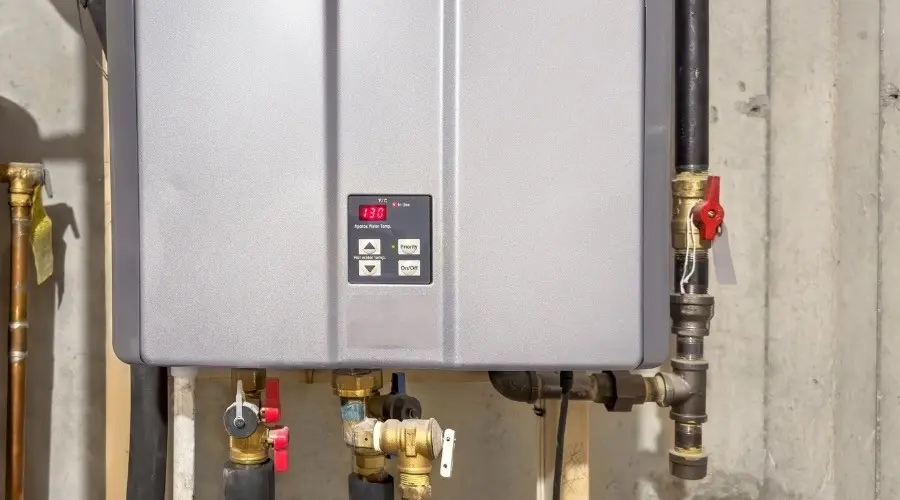
Upgrading to a tankless system is one of the most effective ways to modernize a home’s plumbing and improve daily convenience. Unlike older methods that keep dozens of gallons of water simmering all day in a large container, these systems offer a more streamlined, contemporary approach to home comfort. By choosing to install a tankless water heater, a household moves toward a more sophisticated and responsive way of managing essential utilities.

Homeowners often switch to enjoy a more reliable, consistent hot water supply that doesn't run out during peak morning hours. Simultaneously, this transition helps in reducing the bulk and clutter of traditional utility closets, replacing a massive, heavy cylinder with a sleek, wall-mounted unit. This change creates extra room for storage or other household needs while ensuring the home remains efficient and well-equipped.

What Is a Tankless Water Heater and How Does It Work?

A tankless water heater is a compact device that heats water only when a faucet is turned on. The primary difference between this and a storage-tank water heater is the absence of a large hot-water tank. While a storage water heater keeps 40 to 60 gallons of water hot 24/7, a tankless unit stays idle until it is needed, earning it the nickname "on-demand" heater.

The process is simple but clever: when a hot water tap is opened, cold water flows into the unit. A sensor detects the flow and activates a heating element, either a gas burner or an electric coil. This element instantly heats the water to the desired temperature. Because there is no water heater tank to empty, the system can provide a continuous stream of hot water as long as the tap stays open.

Benefits of Installing a Tankless Water Heater

save money Choosing a tankless water heater installation comes with several long-term perks that go beyond just a warm shower. The most significant advantage is superior energy efficiency. Since the unit isn't constantly reheating a large hot water tank, it uses significantly less fuel or electricity, which usually translates to lower monthly utility bills. Homeowners also enjoy the luxury of endless hot water; because it heats on the fly, there is no more waiting for a tank to refill and recover.

Beyond performance, these units offer a space-saving design. They are roughly the size of a small suitcase and are typically mounted on a wall, freeing up valuable floor space that a massive water heater tank would otherwise occupy. Finally, these systems offer an extended lifespan. A well-maintained tankless system can last up to 20 years, nearly double the life expectancy of a traditional tank model.

Signs It's Time to Replace an Existing Water Heater

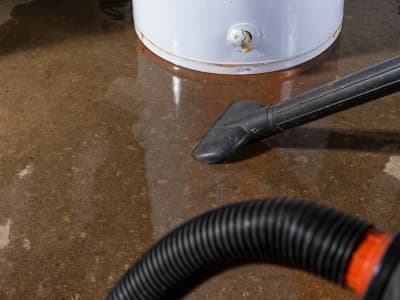
leak Recognizing when to invest in a water heater replacement can prevent a flooded basement and high emergency repair costs. Homeowners should keep an eye out for visible leaks, as any pooling water around the base of the unit is a clear sign of structural failure. Corrosion and rust are also major red flags; if the water looks rusty or if there is visible "pitting" on the tank, the metal is likely breaking down from the inside out.

Advanced age is another critical factor to consider, as most traditional heaters start to fail after 10 to 12 years. If a unit is in its double digits, it is likely running inefficiently and nearing the end of its functional life. Additionally, frequent breakdowns are a sign of trouble. If a plumber is visiting more than once a year to fix the same unit, the cost of repairs will quickly outweigh the cost of a new system. When these signs appear, it is the perfect time to install a tankless water heater to provide a more reliable, cost-effective solution for the household.

About B&L Plumbing and Heating 

B&L Plumbing and Heating is a family-owned and operated company that has proudly served Colorado Springs since 1999. We provide trusted plumbing, heating, and air conditioning services with quality products, trusted technicians, and dependable 24/7 emergency support. Call them for tankless water heater service in Colorado Springs, CO.

Underlying Issues That Lead To Weak Water Pressure

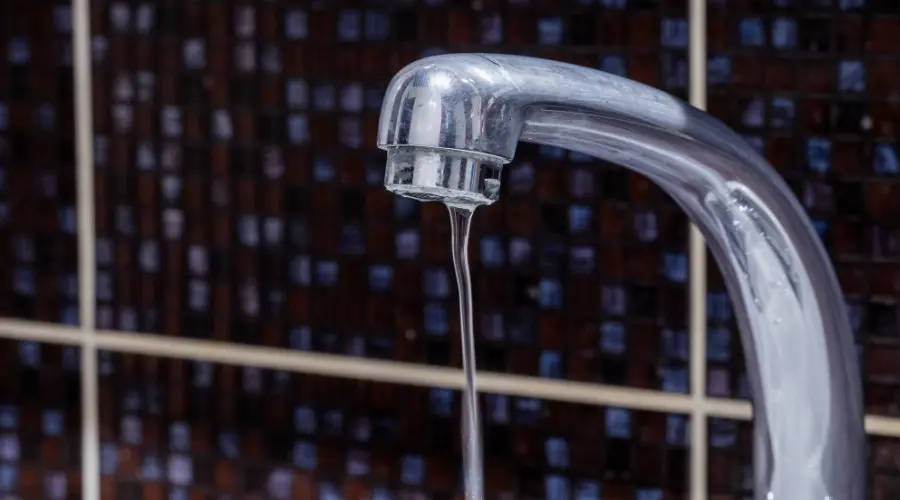
Chrome faucet with water flowing, representing plumbing issues related to low water pressure, relevant to B&L Plumbing services.

What Causes Poor Water Pressure?

Low water pressure can quickly turn daily routines into a frustrating experience. Several plumbing-related issues can affect how water flows through a property. Understanding common causes helps highlight when professional plumbing services are needed.

Faulty Fixtures or Closed Valves

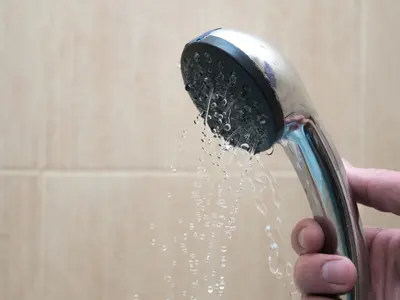
shower head Low water pressure affecting only one faucet or showerhead often points to a fixture-related issue. Mineral buildup, internal wear, or clogs inside the fixture can restrict water flow. Fixture replacement or professional cleaning can restore proper pressure.

Widespread low water pressure throughout a property often signals a valve issue. The main water shutoff valve or water meter valve may remain partially closed after maintenance or repairs. Fully opening these valves often improves water flow.

Plumbing inspections help confirm whether valves or fixtures cause pressure problems. Expert plumbers use pressure testing to identify restrictions. Early correction helps prevent long-term plumbing stress.

Water Leaks

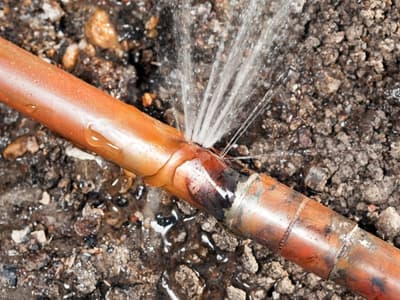
leak Leaks within water lines often reduce water pressure across multiple fixtures. Escaping water lowers available flow and places added strain on the plumbing system. Undetected leaks can also increase water bills and cause structural damage.

Water leak detection services locate hidden problems within walls, floors, or underground pipes. Advanced diagnostic tools help pinpoint leak sources without unnecessary disruption. Prompt water leak repair restores pressure and protects plumbing infrastructure.

Consistent water pressure often returns once leaks receive proper repairs. Addressing leaks early supports system efficiency and reliability. Professional plumbing services play a key role in maintaining a steady water flow.

Clogs and Buildup

Clogs and internal buildup inside water lines frequently lead to reduced water pressure. Aging pipes can corrode over time, narrowing the interior passage for water. Mineral deposits such as limescale also restrict flow.

Hard water contributes to mineral accumulation within plumbing systems. Over time, deposits create uneven pressure and limited water output. Pipe cleaning or replacement helps resolve these issues.

Professional plumbing services assess pipe condition and recommend effective solutions. Clearing buildup improves pressure and extends system lifespan. Preventive maintenance supports consistent water delivery.

Low water pressure often signals underlying plumbing concerns that need expert attention. Water leak detection and repair services address hidden leaks, clogs, and system inefficiencies. Local plumbers can help restore reliable water flow and protect plumbing systems in Colorado Springs.

Call B&L Plumbing and Heating

B&L Plumbing and Heating is a dependable AC, heating, and plumbing services serving Colorado Springs, CO, and beyond. They offer competitive pricing, fully-stocked trucks, and a no mess guarantee. Call them today for water leak detection in Colorado Springs, CO.

Seeing These Signs Means It's Time for a Water Heater Replacement

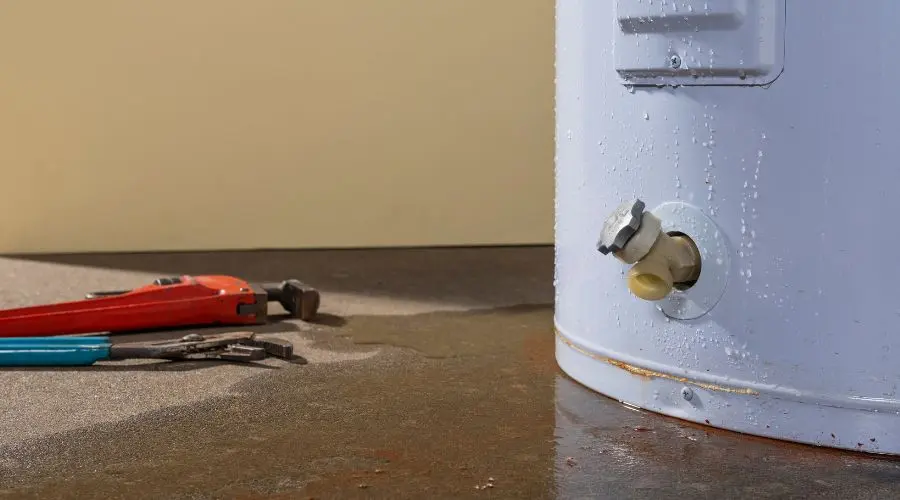
Water heater with visible valve and plumbing tools, indicating maintenance or replacement needs in plumbing services.

When Is a New Water Heater Needed?

Homeowners often take their water heaters for granted until that dreaded moment when a cold shower strikes and the home is left without hot water. While some issues can be repaired, there are clear indicators that a water heater may be nearing the end of its lifespan and require replacement. This post will discuss some common signs indicating water heater replacement is needed.

Temperature Issues

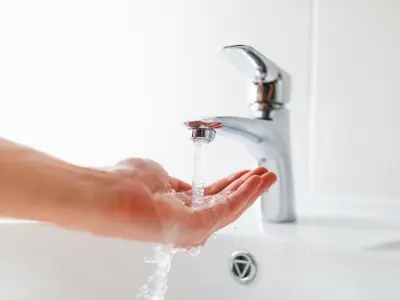
Hand catching water from a chrome faucet, illustrating water temperature issues related to malfunctioning water heaters.One of the most noticeable signs that a water heater is struggling and needs professional attention is problems with water temperature. If the household is experiencing inconsistent or lukewarm temperatures, running out of hot water much faster than usual, or there is a complete lack of hot water, the water heater's ability to heat and maintain water temperature is compromised. 

A plumber should be called to inspect the water heater and determine the best solution, whether it be water heater repair or a replacement, as these temperature issues can stem from a variety of problems, including sediment buildup, a failing heating element, an undersized unit that can no longer meet the household's demands, and more. Professionals can help determine whether the issue and the water heating unit’s age point to the need for a replacement.

Leaks

Another sign that signals a water heater needs replacing is leaking. Whether homeowners notice a visible water heater leak or notice pooling water around the base of the unit, the water heater's tank may have corroded and developed a crack. Once a tank starts to leak, it cannot typically be repaired effectively and will only worsen over time, leading to potential water damage in the home. 

A leaking water heater is a critical indicator that the structural integrity of the water heater is compromised, and it should be replaced. When water heater corrosion has occurred, a new water heater installation is the safest and most reliable solution.

Age and Corrosion

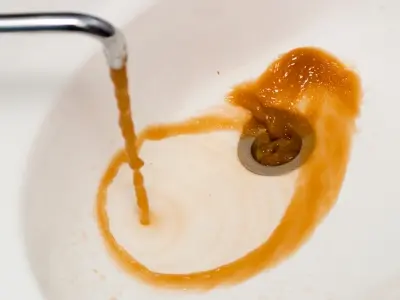
Discolored water flowing from faucet into sink, indicating potential internal corrosion in water heater.Visible rust and corrosion on the water heater, along with other signs of corrosion, also signal that a water heater replacement is necessary. Rusty-looking or discolored hot water coming from fixtures, or water with a strange, metallic smell, are potential signs of internal tank corrosion. This corrosion compromises the integrity of the tank, leading to potential leaks. Addressing these signs promptly with a replacement can prevent extensive water damage to the home and ensure a safe and consistent supply of hot water.

The age of a water heater is also a significant factor in determining the likelihood of needing a replacement. Traditional storage water heaters typically have a lifespan of about 10 to 15 years. If the unit is within or has exceeded this age and starts developing issues, water heater replacement may be necessary. While some issues can be repaired, recurring problems in older units can indicate that the system is nearing the end of its useful life, often making replacement a more cost-effective and reliable solution in the long run compared to continuous repairs on an aging water heater.

About B&L Plumbing and Heating

B&L Plumbing and Heating is a family-owned and operated company serving Colorado Springs and the surrounding areas. They offer competitive, honest pricing, quality products, and customer education. Call them for water heater installation and replacement services in Colorado Springs, CO.

Advantages of Installing a Water Softener

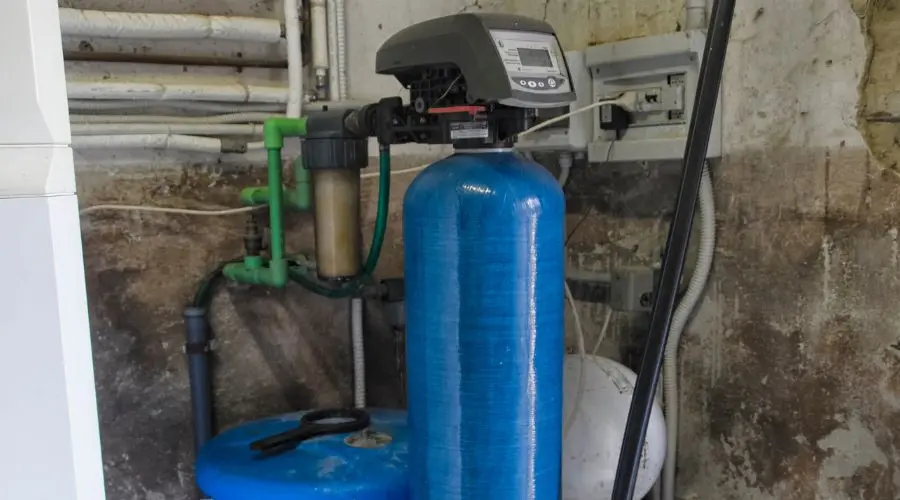
Water softener system in residential setting, featuring a blue tank and control unit, illustrating solutions for hard water issues related to plumbing and appliance maintenance.

Why Soften Hard Water?

Hard water creates daily challenges by damaging appliances and leaving behind unsightly spots on dishes and surfaces. Mineral buildup leads to higher maintenance costs and reduces the lifespan of water-using equipment. Installing a water softener eliminates these issues at the source, offering a reliable and long-term solution. This simple upgrade enhances property value and creates a more comfortable, low-maintenance living environment.

Protection for the Plumbing and Appliances

Hard water causes gradual mineral accumulation inside pipes, which restricts water flow and lowers pressure throughout the plumbing system. These deposits make it easier for debris to catch and form clogs, increasing the need for costly repairs. By softening the water, scale buildup is prevented, allowing the plumbing to function efficiently for many years.

Softened water also protects appliances such as dishwashers and water heaters from internal damage. Without constant scale formation, these machines operate more effectively and require less frequent maintenance. As a result, both water flow and appliance efficiency improve significantly.

Improved Appliance Efficiency and Cost Savings

Softened water increases appliance efficiency, leading to lower energy usage and reduced utility bills. Without mineral buildup, appliances like water heaters and washing machines operate under less strain. This allows them to perform at optimal levels, conserving energy with every use.

The extended lifespan of appliances is another key benefit. Hard water shortens equipment durability by damaging internal components, while softened water helps appliances last 30–50% longer. This reduction in wear and tear minimizes repair costs and delays the need for replacements. In the long term, the initial investment in a water softening system often pays for itself.

More Effective Cleaning

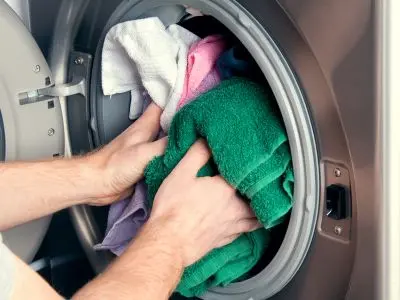
Person loading colorful towels into a washing machine, illustrating the benefits of softened water for laundry efficiency and fabric care.Softened water eliminates common hard water problems such as spots on dishes and cloudy glassware. Appliances like dishwashers clean more thoroughly when freed from mineral interference. The absence of hard deposits allows detergents to rinse away cleanly, leaving surfaces sparkling.

Laundry also benefits from soft water. Fabrics retain color and softness much longer, avoiding the stiffness caused by mineral buildup. Additionally, the need for cleaning products decreases significantly because soap reacts more efficiently in softened water. This not only lowers household costs but also contributes to a more environmentally responsible lifestyle.

Healthier Skin and Hair

Woman with frizzy hair holding sections of her hair, illustrating the benefits of softened water for healthier hair and improved manageability.Softened water helps improve the condition of skin and hair by removing minerals that interfere with soaps and shampoos. Hard water leaves behind residue that clogs pores and strips away natural oils, contributing to dryness and irritation.

When bathing with softened water, skin tends to feel more hydrated and smooth, while soaps rinse away more completely. Hair becomes softer and easier to manage without the weight of mineral deposits. These benefits are especially noticeable for chemically treated or sensitive hair types, making soft water a valuable part of a personal care routine.

Call B&L Plumbing and Heating

B&L Plumbing and Heating is a dependable AC, heating, and plumbing company serving Colorado Springs, CO. They offer competitive pricing, fully stocked trucks, and a no-mess guarantee. Call them for water softener installation & repair services in Colorado Springs, CO.