
When Is a New Water Heater Needed?
Homeowners often take their water heaters for granted until that dreaded moment when a cold shower strikes and the home is left without hot water. While some issues can be repaired, there are clear indicators that a water heater may be nearing the end of its lifespan and require replacement. This post will discuss some common signs indicating water heater replacement is needed.
Temperature Issues
 One of the most noticeable signs that a water heater is struggling and needs professional attention is problems with water temperature. If the household is experiencing inconsistent or lukewarm temperatures, running out of hot water much faster than usual, or there is a complete lack of hot water, the water heater's ability to heat and maintain water temperature is compromised.
A plumber should be called to inspect the water heater and determine the best solution, whether it be water heater repair or a replacement, as these temperature issues can stem from a variety of problems, including sediment buildup, a failing heating element, an undersized unit that can no longer meet the household's demands, and more. Professionals can help determine whether the issue and the water heating unit’s age point to the need for a replacement.
Leaks
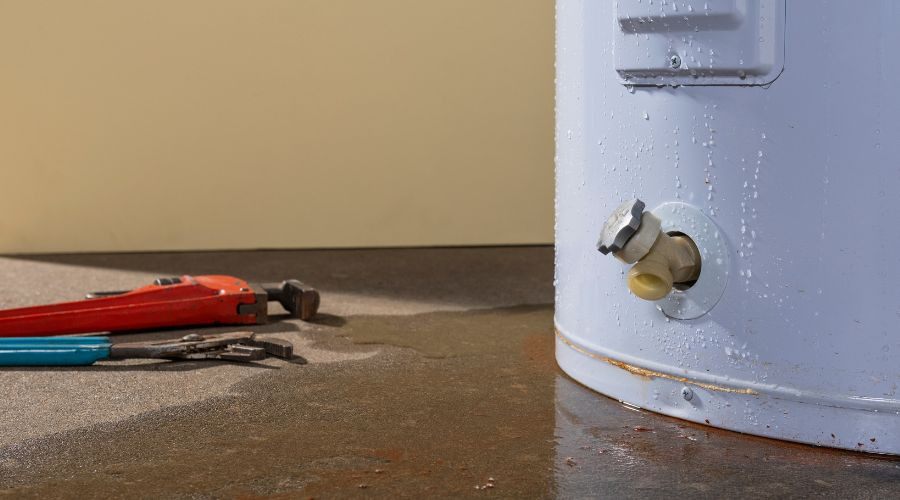
Another sign that signals a water heater needs replacing is leaking. Whether homeowners notice a visible water heater leak or notice pooling water around the base of the unit, the water heater's tank may have corroded and developed a crack. Once a tank starts to leak, it cannot typically be repaired effectively and will only worsen over time, leading to potential water damage in the home.
A leaking water heater is a critical indicator that the structural integrity of the water heater is compromised, and it should be replaced. When water heater corrosion has occurred, a new water heater installation is the safest and most reliable solution.
Age and Corrosion
 Visible rust and corrosion on the water heater, along with other signs of corrosion, also signal that a water heater replacement is necessary. Rusty-looking or discolored hot water coming from fixtures, or water with a strange, metallic smell, are potential signs of internal tank corrosion. This corrosion compromises the integrity of the tank, leading to potential leaks. Addressing these signs promptly with a replacement can prevent extensive water damage to the home and ensure a safe and consistent supply of hot water.
The age of a water heater is also a significant factor in determining the likelihood of needing a replacement. Traditional storage water heaters typically have a lifespan of about 10 to 15 years. If the unit is within or has exceeded this age and starts developing issues, water heater replacement may be necessary. While some issues can be repaired, recurring problems in older units can indicate that the system is nearing the end of its useful life, often making replacement a more cost-effective and reliable solution in the long run compared to continuous repairs on an aging water heater.
About B&L Plumbing and Heating
B&L Plumbing and Heating is a family-owned and operated company serving Colorado Springs and the surrounding areas. They offer competitive, honest pricing, quality products, and customer education. Call them for water heater installation and replacement services in Colorado Springs, CO.
)


)
)
)