Reasons To Explore Water Filtration System Installation

reasons to explore water filtration system installation

The Importance of Clean Water in the Home 

Access to plentiful clean water is a staple of human health and public health. When public water infrastructure fails, it can cause complete chaos for anyone who relies on the grid for their water. In modern society, most people don’t have to worry about the quality of their water. Still, as threats increase, homeowners should be aware of the shortcomings of public water treatment programs. 

What Do Water Filtration Systems Do?

One of the more dangerous misconceptions people have about their drinking water is that it is clean and pure. Most people think it’s safe if it comes from the tap, but that is not necessarily the case. Municipal water treatment facilities are federally regulated to ensure they neutralize any biological threats that may be present in the water. 

However, this is where the regulations stop. Most municipal water carries a high load of suspended solids that can cause problems with the plumbing, as well as chemicals and pharmaceuticals that aren’t removed during treatment. 

For the purest water, homeowners should take it upon themselves to finish the water treatment process. Whole-home water filtration systems can help remove contaminants that are left after the treatment process. 

Two types of filtration systems that are helpful in this regard are: 

  • Carbon filters: Carbon filters do a good job targeting chemical contaminants found in treated water. This removes things like fertilizers, pesticides, and some heavy metals. 
  • Reverse osmosis filters: For pure water, the only option is reverse osmosis filtration. While more expensive, this method removes nearly all impurities, including solids, heavy metals, and chemical contaminants. 

Benefits of Water Filtration Systems

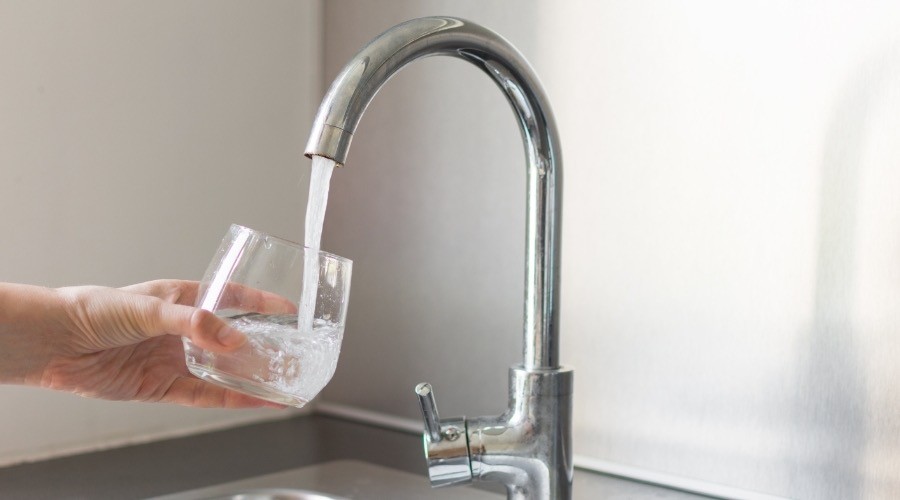
Woman drinking clean water from a glass, highlighting the importance of water filtration systems for health and safety.Water is the nutrient that people need the most besides oxygen. When people are stuck consuming water that is biologically safe but possibly laden with chemicals, it can manifest in the health of individuals in the home. 

The truth is, the environment has become fairly universally contaminated with pollutants like: 

  • Pharmaceuticals
  • Pesticides
  • Fertilizers
  • Microplastics
  • Heavy metals

The evidence shows that these can have potentially serious adverse effects on a person’s health. People can limit their exposure to environmental toxins by using the right filtration system. Not only is it healthy to drink better water, but the home plumbing will also improve. 

Suspended solids tend to cause problems like silt buildup in water heaters and quickening corrosion. Both of these can cause costly damage to the plumbing system when uncontrolled. Water filtration systems may be the most cost-effective option to decrease plumbing repair bills.  

When To Look Into Water Filtration Systems  

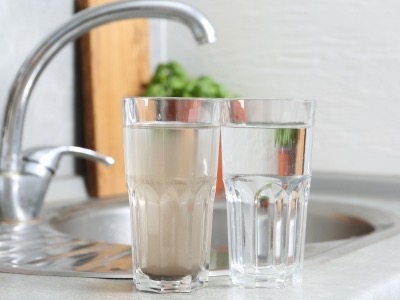
Brown water flowing from a faucet into a sink, indicating potential plumbing issues related to sediment or mineral buildup, relevant to water filtration systems.Most homes could benefit from some form of water filtration. For more assurance that water filtration systems are the right choice for a home, look for signs like: 

  • Water tastes or smells bad
  • Plumbing problems are common, especially when they are related to mineral scale or sediment buildup
  • Water is hazy or has visible suspended solids
  • Federal citations for local water treatment facilities
  • Dingy clothing or dishes after washing
  • Poor health among family members 

About B&L Plumbing and Heating

B&L Plumbing and Heating has water filtration options for any customers. With residential and commercial plumbing installation and repair services, they can improve everyone’s water quality. Call today for water filtration services in Colorado Springs, CO

Distribution Links +

Why Install a Home Water Filtration System?

why install a home water filtration system?

Understanding the Benefits of Water Filtration

Water is arguably the most precious resource in the world - without it, life wouldn't exist. Fortunately, most parts of the developed world have abundant potable water. Even in places like Colorado that experience long periods of drought, virtually every home has a steady water supply.

The trouble is that the tap's water isn't always pristine. Whether from a municipal water supply or a private well, a home's water can contain a wide range of contaminants, even after passing through water treatment facilities or the earth's natural filtration processes. Installing a water filtration system in the home is a great way to protect against these contaminants - but it can also have some other advantages. This article will explain three ways homeowners can benefit from a water filtration system!

Safer & Better-Tasting Water

Person drinking a glass of clear water, emphasizing the benefits of safe and better-tasting drinking water from a filtration system.The most important benefit of a water filtration system is that it makes water safe for use. A quality reverse osmosis water filter can remove heavy metals (lead, arsenic, chromium, etc.), bacteria, and other contaminants that negatively affect health.

Removing harmful pollutants doesn't just make water safer - it can also make it taste better. Some pollutants may not be harmful but can affect the taste and smell of the water. For instance, chlorine is often used to treat water and is considered safe to ingest in small amounts, but it can give water a noticeable chemical flavor. On the other hand, water that has passed through a reverse osmosis system will be free from such pollutants and taste pure and clean, as water should. 

Helps Save Money

Person placing a coin into a pink piggy bank, symbolizing savings and financial benefits of installing a water filtration system.Another advantage of filtered water that often gets overlooked is that it can help homeowners cut costs. The expenses can add up quickly if the household relies primarily on bottled water for its drinking water needs. The initial cost of installing a reverse osmosis filtration system is less than some households spend on bottled water every year, so it's an investment that can pay for itself relatively quickly.

Many homeowners install a single point-of-use filtration system under their kitchen sink to provide clean drinking water. This alone can lead to significant savings, but the rest of the house will still get unfiltered water. This is why some homeowners prefer to install a whole-home water filter, generally located where the main water supply enters the home.

Whole-home systems can also help save money - just in less obvious ways. Unfiltered water often contains heavy metals and minerals that can cause corrosion or leave mineral deposits inside the pipes, fixtures, and appliances. This can lead to costly repairs and reduce the lifespan of appliances. Having only pure, filtered water running through the home helps homeowners save their money and their plumbing system as a whole!

More Environmentally Friendly

Not having to rely on bottled water also means a more eco-friendly home. Even with the widespread recycling programs throughout the nation, most plastic bottles wind up in landfills or the ocean. Since plastic doesn't readily biodegrade, this can take a major toll on the environment.

Installing a home water filtration system helps the environment by reducing the number of disposable consumer plastics used. Though it may seem like a drop in the bucket (no pun intended), every little bit helps!

About B&L Plumbing and Heating

The veteran-owned B&L Plumbing and Heating has been pridefully serving the Colorado Springs community since 1999. Their trustworthy licensed experts always arrive on time in fully-stocked trucks, ready to provide tailored options, up-front pricing, and award-winning service. They offer a rewarding membership maintenance plan and 24/7 emergency service with no after-hours fees. Call B&L today for water filter installation in Colorado Springs, CO!

Take A Class in Septic System Basics

take a class in septic system basics

Basic Function and Maintenance of the Home Septic System

Every home with indoor plumbing has a way of flushing away the waste products of the household; whether that is a local sewer system or a septic system usually depends on the house's location and its internal plumbing system. Septic tanks are usually in place for homes far away from the city center in rural areas. They have their own set of maintenance needs and drawbacks, but if they are given the proper attention, they keep the inhabitants healthy and the surrounding area free of the contaminants of raw sewage.

Parts of a Septic System

When people think of the word septic, they tend to think of it as a negative thing. By definition, septic means something is infected with bacteria, which is usually harmful. In the case of the septic system and the microorganisms involved in the wastewater cleansing process, septic is actually a good thing. The thriving bacteria of a septic system clean the water and make it safe to return the water to the surrounding soil. While bacteria are a major component, this article will discuss the inorganic components that comprise the actual structure of a septic system. The septic system has two main parts: the septic tank and the drain field.

The Septic Tank: This is the first wastewater stop as it comes from the main drainage pipe. It is a watertight container made of several materials, including concrete, fiberglass, and polyethylene. The tank allows the effluent (another name for wastewater in the tank) to settle and separate, creating three layers within the tank:

  • Scum: This is the layer of floating waste in the tank, usually cooking oils and the like
  • Effluent: This wastewater will eventually flow into the soil absorption field
  • Sludge: This is the bottom layer composed of solids and inorganic matter that the bacteria cannot break down

The Drain Field: This area, also called the soil absorption field, is where the bacteria do most of the work. The effluent flows into the perforated pipes that make up the drain field, allowing the bacteria to neutralize other harmful microbes. The water then slowly drains out of the pipes, often through a loose layer of gravel, and returns to the soil.

Warnings of Septic System Malfunction

Puddles forming in green grass indicating potential yard flooding, a warning sign of septic system malfunction.Septic systems normally do their work without complaint or hiccup, but a few indicators indicate that a home requires septic systems repair. Septic tank repair or replacement can be especially onerous and expensive as it can involve digging up the old tank. Hopefully, one can catch the problem through these early warning signs:

  • Extremely green and spongy grass growing in the drain field
  • Foul smells in the area of the tank or drain field
  • Sewer backups into the house
  • Slow draining throughout the home
  • Yard flooding

If these signs are present, a homeowner should immediately contact a reputable septic service provider.

Maintenance and the Septic System

Septic system maintenance with technician using vacuum hose to pump septic tank in residential yard.Regular, professional maintenance is key to maintaining any household system. The septic system is no different. Septic system maintenance is primarily septic tank maintenance, although there are sometimes clogs in the drain field that need clearing. Pumping the septic tank is vital for a properly functioning septic system. A homeowner should have this done regularly and consult a professional on how often one should empty their tank.

About B&L Plumbing and Heating

For more than 2 decades, B&L Plumbing and Heating has served the inhabitants of Colorado Springs, CO, and the surrounding areas. They are veteran-owned and offer 24-hour emergency service with no after-hours charge. Call them today for personalized solutions and expert plumbing service!

Get Familiar With Your Plumbing System In the Style of Speed Dating

get familiar with your plumbing system in the style of speed dating, einvithfltf3zqhrnpmw8vinfyvlgsd1jr3xtwuc

Learn More About Your Home's Plumbing With These 3 Burning Questions

Most homeowners probably don't give much thought to their plumbing systems as long as the water flows, the toilets flush, and the pipes aren't busted. But a home's plumbing is a complex and indispensable part of everyday life and deserves more attention than it is usually given. 

Since most plumbing issues result from general neglect, homeowners who give the cold shoulder to their plumbing systems are asking for trouble. Learning everything there is to know may take some time, but a few fun and easy questions are enough to break the ice and get things started.

Why Is the Toilet Sometimes Called 'the John'?

There is some debate as to why, when, and where toilets originally got the "John" nickname, but the term is most often attributed to Sir John Harrington. One of Queen Elizabeth I's many godsons, Harrington was a poet and a bit of a troublemaker. His invention of a flushable toilet in the 1590s, while not the first flush toilet ever designed, was a great innovation at the time - the Queen even had Harrington build one for her.

Modern white toilet in a bathroom setting, illustrating plumbing innovations related to Sir John Harrington's flushable toilet design.

Harrington's toilet, which he affectionately named Ajax - a play on 'jake' or 'jack,' the slang terms for a latrine - was a clear precursor to the toilets of today. The wooden contraption was large, noisy, and not exactly sanitary, but functional. A leather valve would allow water from a raised cistern to flow down and empty the chamber bowl, washing away waste. His design was never employed for widespread use, but Sir John is still widely considered the modern toilet's originator.

Does Water Spin the Other Way In the Southern Hemisphere?

Despite the popular myth, water does not go down drains in the opposite direction south of the equator - at least not always. A physical phenomenon called Coriolis force affects the rotation and direction of large-scale systems like cyclones and hurricanes, essentially pulling them north or south away from the equator. This pull, combined with the Earth's rotation, causes these systems to spin clockwise if they're in the Southern Hemisphere and counter-clockwise if they're in the Northern. 

Coriolis force may theoretically play a minor role in the water's rotation in the case of a draining bathtub or sink. Still, it will be superseded by more immediate factors like the basin's geometry or any recent interaction with the water. Similarly, the design of a specific toilet will dictate which direction the water flushes - namely, the direction of the jets around the rim of the bowl.

How Much Water Does a Dripping Faucet Waste?Leaky chrome faucet with a single drop of water forming, illustrating water waste and plumbing issues related to faucet repairs.

The constant sound of "drip, drip, drip" from a leaky faucet is enough to drive anyone up the walls. But far worse than this torturous sound is the amount of water lost down the drain. Even a relatively slow drip can waste dozens of gallons each month. An average drip rate for a leaky sink faucet is around 10-12 drips per minute, equating to more than a gallon of water per day, or close to 400 gallons per year. 

A leaky faucet is usually caused by a worn or damaged valve or gasket. Leaks of this nature tend to get worse and worse over time, and can even cause mold growth, so it's best to have them repaired as soon as possible - before even more water flows uselessly down the drain.

About B&L Plumbing and Heating

B&L Plumbing and Heating has been providing friendly expert service to Colorado Springs, CO since 1999. As a veteran-owned local business, their unparalleled customer care, workmanship, and community involvement have earned them consistent 5-star ratings and several awards. B&L provides transparent, competitive pricing, financing, and 24/7 emergency plumbing service with no after-hours fees.