Kitchen Clues That a Garbage Disposal Needs Professional Help

Garbage disposal unit installed under kitchen sink, featuring plumbing connections and electrical outlet, relevant to garbage disposal service guidelines.

When to Call for Garbage Disposal Service

A garbage disposal is designed to grind small food scraps and keep the kitchen sink draining freely. Over time, however, worn components, hard objects, grease, and everyday use can cause jams, leaks, and electrical problems. Ignoring early symptoms often leads to sudden breakdowns during meal prep or cleanup. Recognizing the difference between a minor clog and a failing unit helps households decide when to schedule garbage disposal repair or plan for full garbage disposal replacement. The sections below explain how unusual sounds or odors, visible garbage disposal leaks, and frequent use of the garbage disposal reset button signal the need for professional evaluation and, in some cases, a garbage disposal replacement.

Strange Noises or Bad Smells

bad smell A healthy garbage disposal produces a steady grinding sound, not alarming rattles or shrieks. Garbage disposal humming without actually grinding often indicates a stalled motor or jammed impeller. Screeching, clanking, or rattling can result from loose blades, broken internal parts, or utensils lodged inside the chamber.

Continuing to run the unit in this condition can damage the motor and shorten its remaining lifespan, making garbage-disposal repair more complicated or pushing the system toward early replacement.

Odors are another important clue. Persistent foul smells rising from the drain usually mean food particles are trapped in hidden crevices, on the rubber splash guard, or farther down the line.

In some cases, internal corrosion or a cracked housing allows waste to linger where simple flushing cannot remove it. Deep cleaning may resolve mild odors, but recurring odors often indicate significant wear, and a new garbage disposal installation offers a more sanitary long‑term solution.

Leaks

leak A leaking garbage disposal can quietly cause extensive water damage inside the sink cabinet. Water collecting under the unit, dripping from seams, or appearing around mounting points usually points to failed seals, gaskets, or a cracked casing.

Garbage disposal leaks at the sink flange, dishwasher connection, or discharge pipe can sometimes be addressed with targeted garbage disposal repair, such as resealing joints or tightening hardware.

However, water emerging from the bottom of the unit often signals an internal failure that is not cost‑effective to fix. Prolonged leaks may lead to warped cabinetry, mold growth, and damaged flooring. Regularly checking the cabinet for dampness, stains, or rust marks helps catch problems early.

When tightening connections or replacing simple gaskets does not stop a leaking garbage disposal, a professional assessment is essential to determine whether repair or complete garbage disposal installation is the safer choice.

It Won't Turn On or Needs Frequent Resets

Electrical and mechanical issues become apparent when the disposal refuses to start or shuts off repeatedly. If the wall switch is on and the circuit breaker has not tripped, yet the unit remains silent, internal wiring, a failed switch, or a burned‑out motor may be responsible. Another red flag is constant reliance on the garbage disposal reset button. While occasional resets are normal after heavy loads, frequent trips suggest overheating, binding parts, or more serious electrical faults.

Repeated stalling strains the motor and can lead to sudden failure during heavy use. A licensed plumber or electrician can test the circuitry, motor windings, and switch operation to determine whether straightforward garbage disposal repair will restore dependable performance or if full garbage disposal replacement is the wiser investment.

About B&L Plumbing and Heating

The top-rated experts at B&L Plumbing and Heating provide quality plumbing, heating, and air conditioning solutions in Colorado Springs and the neighboring communities. With competitive pricing and tailored solutions, they bring peace of mind to every job. Call them today for garbage disposal installation in Colorado Springs, CO.

How to Determine if Your Heater Needs Repair

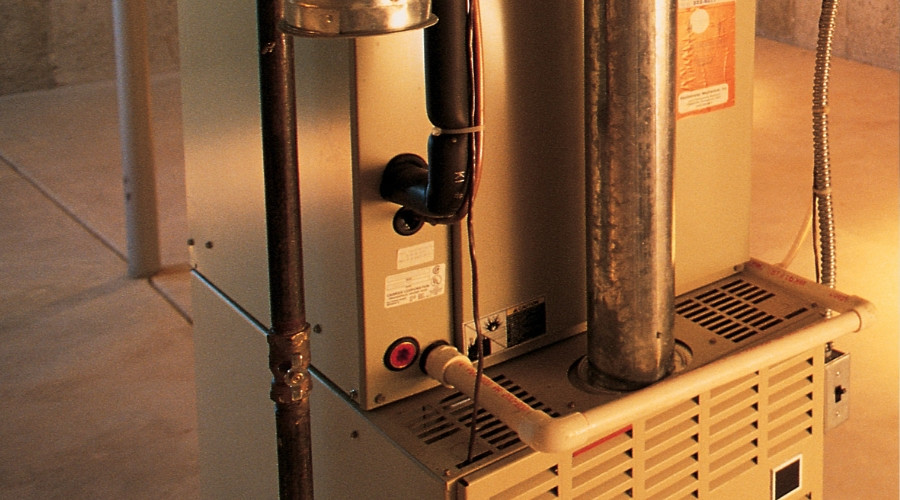
Heating system unit with visible pipes and venting, relevant to heater repair discussions for maintaining efficiency and safety in Colorado Springs.

When to Call for Heater Repair

As temperatures drop across Colorado Springs, a reliable heating system becomes essential for comfort and safety. Subtle changes in performance often signal underlying mechanical issues that reduce energy efficiency and strain critical components. Recognizing these warning signs early leads to timely heater repair and restores dependable indoor warmth.

High Utility Bills

bills Heating costs often rise gradually at the start of the season, yet a sudden spike in utility bills usually points to declining system efficiency. Worn components, clogged filters, or a malfunctioning heat exchanger can force the furnace to work harder to maintain thermostat settings. Increased runtime translates directly into higher energy consumption and unnecessary expense.

As internal parts experience strain, airflow may become restricted within the ductwork. Reduced airflow limits heat distribution and causes longer heating cycles that compound operational costs. Professional heater repair addresses faulty components and recalibrates the system for optimal performance.

Restoring efficiency not only lowers monthly expenses but also extends equipment lifespan. A properly serviced furnace operates within manufacturer specifications and maintains consistent output. Prompt attention to abnormal heating costs often prevents larger mechanical failures later in the season.

Unusual Sounds or Smells

bad smell A well-functioning heater typically operates with minimal noise and no noticeable odor. When banging, rattling, or squealing sounds emerge, internal components such as blower motors or belts may require adjustment or replacement. Ignoring these sounds can allow minor wear to evolve into major system damage.

Strange smells also serve as important warning signals within a heating system. A burning odor may indicate dust accumulation on heating elements or potential electrical issues within wiring connections. Persistent or sharp smells can suggest overheating parts that demand immediate inspection.

Timely diagnostic service isolates the source of unusual sounds or odors before safety risks increase. Technicians evaluate ignition systems, burners, and ventilation pathways to ensure safe operation. Addressing these symptoms quickly protects indoor air quality and preserves heating reliability.

Insufficient Heating

Uneven temperatures throughout a home often reveal problems within the heating system. Cold spots in certain rooms may indicate duct leaks, failing blower motors, or thermostat calibration issues. When indoor spaces never reach the desired temperature, system inefficiency becomes evident.

Extended heating cycles without adequate warmth suggest reduced heat output from the furnace. A compromised heat exchanger or restricted airflow can prevent proper distribution of conditioned air. Continued operation under these conditions places stress on vital components and increases the likelihood of breakdown.

Professional heater repair restores balanced airflow and consistent temperature control. Comprehensive inspections identify the root cause of insufficient heating and correct performance deficiencies.

Call B&L Plumbing and Heating

B&L Plumbing and Heating is a dependable AC, heating, and plumbing company serving the Colorado Springs, CO, community. They offer competitive pricing, fully-stocked trucks, and a no mess guarantee. Call them for heater repair in Colorado Springs, CO.

Understanding Ductwork: When and Why It Needs Service

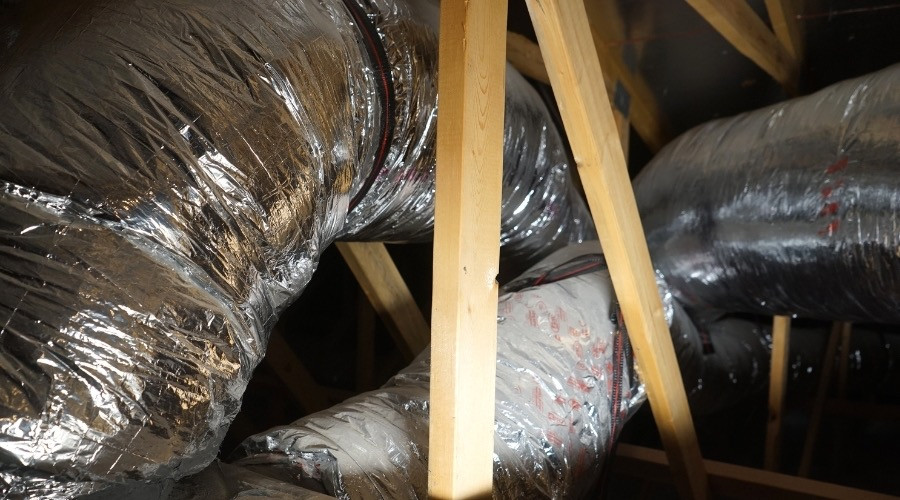
Ductwork in an attic space, showcasing insulated metal ducts and wooden framing, relevant to air duct maintenance and HVAC efficiency.

When Do the Air Ducts Need Professional Attention?

Ductwork is the hidden highway of an HVAC system, and small problems inside those passages can quietly raise costs and reduce comfort. This guide explains common indicators that point to air duct repair or ductwork repair, why air duct maintenance and air duct cleaning matter for airflow and indoor air quality, and how to think about longevity, from upkeep to ductwork replacement or air duct replacement when wear becomes extensive. The goal is to help restore efficiency, balance temperatures, and support healthier air throughout the property.

Signs Ductwork Repair Is Needed

Dust accumulation near an air duct filter, indicating potential air duct issues and the need for HVAC maintenance.HVAC systems often signal distress through the ductwork long before a full failure. Excess dust settling shortly after cleaning, faster‑than‑usual filter loading, or visible puffs at supply registers can indicate gaps that pull debris from attics, crawlspaces, or wall cavities. That infiltration then recirculates through the air duct network and affects comfort and cleanliness indoors.

Uneven temperatures between rooms are another red flag. Rooms that remain too warm while others run cool suggest leaks, disconnections, crushed flex runs, or undersized trunks preventing proper delivery. Weak airflow at certain vents, doors that move with system operation, or rooms that never reach set temperature all warrant a closer look. Whistling, rattling, or banging noises from ductwork can come from loose fasteners, separated seams, or internal obstructions. Rising utility costs without a clear cause frequently accompany these issues as equipment runs longer to overcome losses.

When these symptoms appear together, an inspection focused on sealing, support, and layout is prudent. Targeted air duct repair or broader ductwork repair—combined with testing to verify leakage reduction and balanced airflow—can restore performance, reduce noise, and stabilize comfort across zones.

The Importance of Air Duct Maintenance and Cleaning

Person using a duct cleaning brush attached to a vacuum hose, demonstrating air duct maintenance and cleaning for improved airflow and system efficiency.Air ducts operate out of sight, but conditions inside them influence everyday comfort and system efficiency. Over time, dust, pet dander, and construction debris can accumulate on internal surfaces. Without periodic air duct maintenance, that buildup can re‑enter rooms, settle on surfaces, and increase static pressure, making the blower work harder to move air. Regular air duct cleaning or ductwork cleaning helps remove accumulated material, supports consistent airflow, and can reduce hot‑and‑cold spots tied to restrictions.

Professional cleaning typically pairs debris removal with an overall condition check. Technicians can evaluate accessible joints and transitions, identify disconnected sections, and recommend sealing strategies to limit leakage that wastes conditioned air. Where insulation on duct exteriors has been compromised, restoring coverage helps reduce conductive losses in attics, crawlspaces, and garages. Register and grille cleaning, confirmation of proper filter fit, and inspection of return paths further support steady operation.

Maintenance is not only about cleanliness. If testing reveals notable leakage or airflow imbalance, sealing and minor layout corrections can provide outsized improvements. Together, air duct cleaning, sealing, and routine air duct maintenance form a practical path to healthier air movement, quieter cycles, and improved comfort with less effort from the HVAC equipment.

How Long Does Ductwork Last?

Ductwork can provide service for many years, but longevity varies with materials, installation quality, environmental conditions, and ongoing care. Rigid metal trunks and branches tend to be durable, while flexible lines require careful routing and support to prevent kinks, compression, and premature wear. Even robust materials fall short if seams are poorly sealed, spans lack proper hangers, or transitions are abrupt and turbulent.

Periodic assessment helps determine when repair or replacement makes sense. Signs that point toward planning ductwork replacement include extensive leakage across multiple runs, widespread insulation damage, persistent condensation problems, or layouts that no longer suit current equipment or room use. Where deterioration is localized, air duct repair may restore serviceability, but when defects are structural or pervasive, air duct replacement can reset performance, improve balance, and align the system with today’s airflow needs.

Upkeep extends life. Routine filter changes, sealing accessible joints, protecting ductwork from storage compression, and scheduling periodic performance checks all support dependable operation. When upgrades are considered—such as equipment with different airflow requirements—revisiting duct design ensures that the air duct system matches new static pressure targets and delivers the intended comfort in every space.

About B&L Plumbing and Heating

B&L Plumbing and Heating is a veteran-owned plumbing, cooling, and heating company that has provided trusted service to the communities of Colorado Springs and beyond for over 25 years. Call them today for tailored options and competitive pricing on air duct cleaning in Colorado Springs, CO.

The Air Conditioner Basics Every Homeowner Needs to Know

the air conditioner basics every homeowner needs to know

Simple but Powerful Information on the Home’s Air Conditioning System

Homeowners don’t need to be an expert on all the home’s systems. However, every homeowner needs to understand the systems that help keep their home livable. The air conditioning system is perhaps among the most impactful, for it helps control temperature and humidity levels. Without a basic knowledge of AC systems, homeowners may struggle to know what they can do themselves, when to call an expert, and how to best care for the air conditioning system. 

The Two Most Common Types of AC Systems

Woman relaxing on a couch using a smartphone, with a mini-split air conditioning unit mounted on the wall, showcasing modern cooling solutions in a home setting.In the United States, central air units are the most common type of air conditioning system. However, mini-split systems are popular in many other countries and are fast becoming popular here in the US, especially in certain situations.

Central air systems are just what they sound like. There’s a centralized system that conditions the air and then delivers that air throughout the home through a system of ducts. Mini-split systems, often called ductless systems, consist of several smaller units placed throughout the home. Each unit is responsible for cooling one room or an open section of the house. However, there’s one big difference between a central air system and a mini-split air conditioner. A central air unit can only cool the home, whereas mini-split systems can heat and cool the home. If the entire house has mini-split systems, this would eliminate the need for a furnace or another heating system. 

However, the major drawback here is that you would need multiple mini-splits throughout the house to eliminate the need for a central heating and air conditioning system. This is why many people in the United States use mini-splits as supplemental systems for home additions or standalone structures. For some situations, a hybrid central/mini-split system means the best of both worlds! 

Common Signs an AC Unit Needs Repair

Couple sitting on a couch using a fan for relief from heat, illustrating the need for effective cooling solutions like air conditioning or mini-split systems.Since most homes in the US have central AC systems, homeowners need to know the signs the system needs repair. The most common sign involves a lack of cooling in the home. If the air conditioner seems to run but isn’t blowing cold air or runs for only short periods before cycling off, it’s important to call a professional to have it checked and diagnosed. 

Likewise, if the house seems muggy like there’s too much humidity, it could be a problem with the air conditioner. When strange smells come from the air conditioner unit, like burning plastic or ozone, it’s best to shut the system off and call a professional. Similarly, an HVAC professional should address a banging, clanging, or grinding sound from the unit as soon as possible.

The Benefits of HVAC Maintenance

Like any other complex and often-used system, the air conditioner needs regular maintenance to run smoothly and efficiently. One of the most important components of AC maintenance is filter changes. Luckily, homeowners can do this every 60 to 90 days. But these systems also require a professional touch. 

Without regular air conditioning maintenance performed by a professional, homeowners risk the system breaking down more often, eventually leading to the need for replacement. Luckily, most professional HVAC companies offer air conditioner maintenance plans so homeowners can stay on top of it. During a maintenance visit, the HVAC technician will inspect and clean the components, tighten electrical connections, check efficiency, inspect ducts, lubricate moving parts, and ensure the drain isn’t clogged. 

With the help of a professional HVAC company, homeowners can stay on top of HVAC maintenance and repairs, ensuring a long life for the AC system!

About B&L Plumbing and Heating

Veteran-owned B&L Plumbing and Heating has been proudly serving Colorado Springs, CO, for 25 years. They offer tailored options and competitive pricing and never charge after-hours fees. Contact B&L Plumbing and Heating today for air conditioner repair or maintenance in Colorado Springs, CO.