
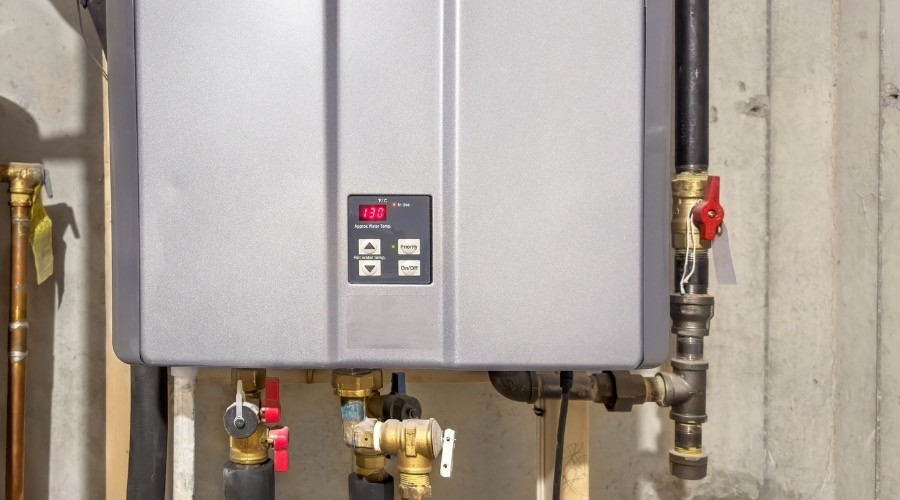
Why Install a Tankless Water Heater?
Upgrading to a tankless system is one of the most effective ways to modernize a home’s plumbing and improve daily convenience. Unlike older methods that keep dozens of gallons of water simmering all day in a large container, these systems offer a more streamlined, contemporary approach to home comfort. By choosing to install a tankless water heater, a household moves toward a more sophisticated and responsive way of managing essential utilities.
Homeowners often switch to enjoy a more reliable, consistent hot water supply that doesn't run out during peak morning hours. Simultaneously, this transition helps in reducing the bulk and clutter of traditional utility closets, replacing a massive, heavy cylinder with a sleek, wall-mounted unit. This change creates extra room for storage or other household needs while ensuring the home remains efficient and well-equipped.
What Is a Tankless Water Heater and How Does It Work?
A tankless water heater is a compact device that heats water only when a faucet is turned on. The primary difference between this and a storage-tank water heater is the absence of a large hot-water tank. While a storage water heater keeps 40 to 60 gallons of water hot 24/7, a tankless unit stays idle until it is needed, earning it the nickname "on-demand" heater.
The process is simple but clever: when a hot water tap is opened, cold water flows into the unit. A sensor detects the flow and activates a heating element, either a gas burner or an electric coil. This element instantly heats the water to the desired temperature. Because there is no water heater tank to empty, the system can provide a continuous stream of hot water as long as the tap stays open.
Benefits of Installing a Tankless Water Heater
 Choosing a tankless water heater installation comes with several long-term perks that go beyond just a warm shower. The most significant advantage is superior energy efficiency. Since the unit isn't constantly reheating a large hot water tank, it uses significantly less fuel or electricity, which usually translates to lower monthly utility bills. Homeowners also enjoy the luxury of endless hot water; because it heats on the fly, there is no more waiting for a tank to refill and recover.
Beyond performance, these units offer a space-saving design. They are roughly the size of a small suitcase and are typically mounted on a wall, freeing up valuable floor space that a massive water heater tank would otherwise occupy. Finally, these systems offer an extended lifespan. A well-maintained tankless system can last up to 20 years, nearly double the life expectancy of a traditional tank model.
Signs It's Time to Replace an Existing Water Heater
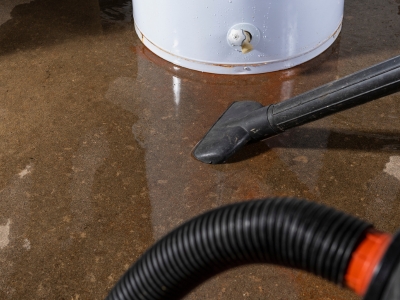 Recognizing when to invest in a water heater replacement can prevent a flooded basement and high emergency repair costs. Homeowners should keep an eye out for visible leaks, as any pooling water around the base of the unit is a clear sign of structural failure. Corrosion and rust are also major red flags; if the water looks rusty or if there is visible "pitting" on the tank, the metal is likely breaking down from the inside out.
Advanced age is another critical factor to consider, as most traditional heaters start to fail after 10 to 12 years. If a unit is in its double digits, it is likely running inefficiently and nearing the end of its functional life. Additionally, frequent breakdowns are a sign of trouble. If a plumber is visiting more than once a year to fix the same unit, the cost of repairs will quickly outweigh the cost of a new system. When these signs appear, it is the perfect time to install a tankless water heater to provide a more reliable, cost-effective solution for the household.
About B&L Plumbing and Heating
B&L Plumbing and Heating is a family-owned and operated company that has proudly served Colorado Springs since 1999. We provide trusted plumbing, heating, and air conditioning services with quality products, trusted technicians, and dependable 24/7 emergency support. Call them for tankless water heater service in Colorado Springs, CO.
)
 Carbon monoxide is a product of the combustion of fossil fuels, especially in furnaces. The biggest concern in the home is the release of carbon monoxide from natural gas or propane appliances.
  HVAC systems are responsible for moving air around the home and cleaning it up simultaneously. Air filters are in place to keep dust out of the moving parts of the furnace and the ductwork to clean up the air.
 )



)
)
)