Water Softeners vs. Water Filtration Systems
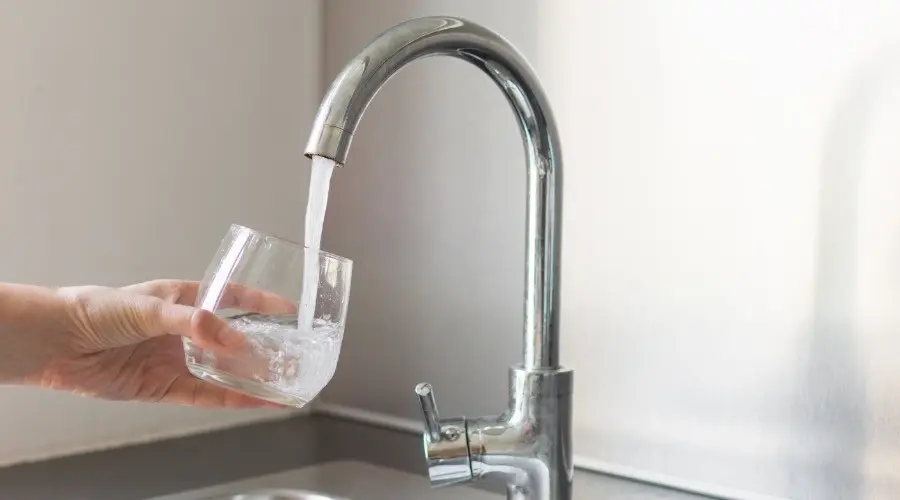
When evaluating home water treatment solutions, many homeowners struggle to distinguish between water softeners and water filtration systems. Although both upgrades significantly improve overall water quality, they are engineered to resolve different issues within a household plumbing system. Understanding the specific function of each technology is essential for homeowners to select the right equipment for their unique needs.
The Difference Between Water Softeners and Water Filtration Systems
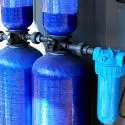
While both water softeners and water filtration systems work to improve overall water quality, they serve distinct purposes. A water softener is specifically designed to target hard water minerals like calcium and magnesium. By removing these minerals, it prevents scale buildup in plumbing and water-using appliances, effectively extending their lifespans and boosting energy efficiency for systems like the water heater. In contrast, a water filtration system focuses on removing contaminants, impurities, and chemicals, ensuring that the water flowing from taps is safer, cleaner, and better-tasting.
Signs to Install a Water Softener
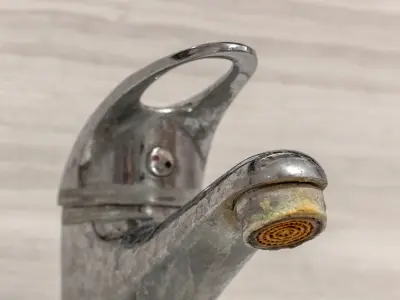
- Visible mineral and scale buildup on faucets, showerheads, and other fixtures.
- Skin and hair that feels dry, itchy, or irritated after washing.
- Persistent spots on dishes, glasses, and silverware even after a dishwasher cycle.
- Laundry that feels stiff, rough, or fades prematurely.
Signs to Install a Water Filtration System
- Water that has a strange, metallic, or otherwise unpleasant taste.
- Water that emits an unusual smell, such as chlorine or sulfur.
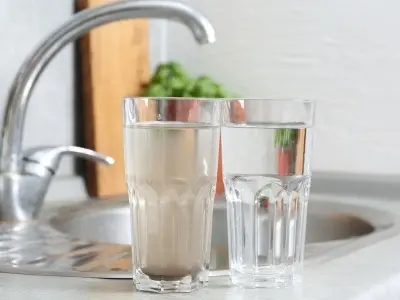
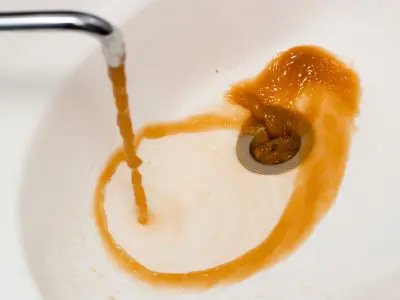
- Cloudy or discolored water coming from the tap.
- General concerns regarding potential contaminants, sediment, or unwanted chemicals in the municipal or well water supply.
Implementing a whole-home water filtration system can provide peace of mind by ensuring high-quality water throughout the entire residence.
About B&L Plumbing and Heating
B&L Plumbing and Heating is a plumbing and heating company based in the Colorado Springs, CO area. They provide competitive pricing, quality products, and emergency 24/7 service. Call for water softener or water filtration system installation in Colorado Springs, CO.
)
)

)
)
)