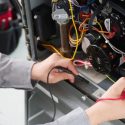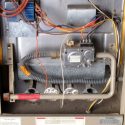
Warning Signs of Faulty Heaters and the Dangers of Ignoring Them

warning signs of faulty heaters and the dangers of ignoring them

Identifying Heater Hazards 

With local weather conditions, heaters are essential for keeping the home safe and warm during the winter. Reliable heating equipment promotes comfort in the home and helps people weather the winter, which can bring life-threatening colds. 

Heaters work hard to keep the home warm during the winter, which can wear down the unit, causing it to fail. When heaters fail, they not only lose their ability to supply heat, but they can also present unique hazards that homeowners must be aware of. 

Here are a few signs of faulty heaters and the hazards they carry so homeowners can react accordingly. 

Carbon Monoxide Leaks

Hand pressing the test button on a carbon monoxide alarm, highlighting the importance of safety measures against carbon monoxide leaks in homes.Carbon monoxide is a product of the combustion of fossil fuels, especially in furnaces. The biggest concern in the home is the release of carbon monoxide from natural gas or propane appliances. 

When appliances age or experience problems, they can cause incomplete combustion of fossil fuels, promoting carbon monoxide release. Since carbon monoxide is odorless and colorless, it is impossible to perceive. When it leaks into a home, it can cause life-threatening complications. 

Maintaining heaters and installing carbon monoxide detectors can help eliminate the threat of carbon monoxide. During heater maintenance, technicians will perform checks and tests to ensure fuels are completely burnt, and the resulting gas is expelled from the home. 

If, for some reason, carbon monoxide forms even after inspections and heater maintenance, carbon monoxide detectors can alert the homeowner to the threat so they can call the appropriate contractor for repairs. 

Mold Growth in the Home

Mold growth on HVAC air vent, illustrating maintenance issues and potential health risks in home heating systems.HVAC systems are responsible for moving air around the home and cleaning it up simultaneously. Air filters are in place to keep dust out of the moving parts of the furnace and the ductwork to clean up the air. 

If furnaces and heat pumps are not properly maintained, mold can grow within the air ducts and cause negative health outcomes for homeowners. This process usually starts when the air filters remain unchanged or the air conditioner does not properly dehumidify the air. 

During the winter, the process worsens as warm air flows through the ducts and spurs mold growth. Having mold in ductwork in the winter can cause problems like: 

  • Frequent respiratory infections
  • Foul odors
  • Allergies
  • Sinus problems
  • Reduced lung immunity

To protect air ducts against mold growth, routine HVAC maintenance should be performed twice yearly, and professional air duct cleaning should be scheduled every few years. 

Overheating 

Mold growth and carbon monoxide poisoning are problems that can take a while before they negatively affect the health of those in the home. When the furnace overheats, the problem is immediate and must be dealt with quickly to avoid problematic fires or faster carbon monoxide poisoning. Look for signs like: 

  • Burnt odors
  • Frequently tripping safety devices
  • Soot marks near the heater
  • Red-hot metal
  • Humming noises

To prevent furnace overheating, change air filters regularly and remember annual heater maintenance from qualified professionals.  

About B&L Plumbing and Heating

B&L Plumbing and Heating has 25 years of experience with heater maintenance and heater repairs. Their skilled teams offer maintenance packages to reduce bills and prevent heating equipment downtime. Call today for heating service in Colorado Springs, CO

The Dangers and Warning Signs of a Faulty Heater

the dangers and warning signs of a faulty heater

Common Heating Hazards and How To Spot Them

Winter is here, and Colorado homeowners are now relying on their heating systems every day to keep their homes warm and cozy while the snow falls and the icy wind howls outside. And with all that usage, this is the prime time for heating problems to rear their ugly heads. 

Some heating issues can increase the heating bills, leave the house feeling chilly, or even take the heater out of commission for a day or two. But as scary as those scenarios are, other heating problems can be even scarier – and more dangerous. This article will explain the biggest dangers of a faulty heater and how homeowners can identify them.

Carbon Monoxide Leaks

Perhaps the most terrifying of all heater problems is a carbon monoxide leak. In gas or oil-burning furnaces, any carbon monoxide produced by the fuel combustion is vented through the flue or exhaust vent. But if the flue or exhaust pipe leaks (due to corrosion, damage, etc.), it can cause carbon monoxide to enter the home. CO leaks can also occur due to a faulty pilot light or cracked heat exchanger.

Carbon monoxide poisoning is a very serious health risk, as it can cause unconsciousness, damage to internal organs, and even death. To protect against a carbon monoxide leak, homeowners should install CO detectors throughout the home (particularly near the furnace or other gas appliances) and have their heater serviced by a professional every year. If they notice any symptoms of CO poisoning, such as headaches, nausea, dizziness, shortness of breath, chest pain, fatigue, or confusion, they should exit the home and call their local emergency services at once.

Mold Growth Inside the Heater or Air Ducts

Woman in a green sweater covering her nose, reacting to unpleasant odor, highlighting potential mold issues in home air ducts or heating systems.Another dangerous issue to watch out for is mold development inside the home’s air ducts or the heater. Mold growth is most common in heat pump systems, which function as heaters and air conditioners. In cooling mode, the unit helps remove moisture from the home’s air, condensing it from vapor into liquid. If this liquid doesn’t drain away immediately, it can facilitate mold growth very quickly, and that mold can survive inside the unit all year round. The mold spores can then spread to the home’s air ducts and throughout the home as air flows through the system.

Mold in the heating system or ductwork can have negative health outcomes. It can cause respiratory irritation or infections, exacerbate allergies and asthma symptoms, and significantly reduce indoor air quality. If homeowners develop any of these symptoms, notice a musty smell, or can see mold growth in their air ducts or in and around their heater, they should call a professional for a heater cleaning or air duct cleaning as soon as possible.

Overheating

Person replacing a dirty furnace filter to prevent overheating and ensure proper airflow in heating systems.Lastly, overheating a heater or furnace can be extremely dangerous and surprisingly common. Overheating can occur for various reasons, such as restricted airflow (usually due to a dirty furnace filter), short cycling (the unit frequently turns on and off), faulty internal components, or old age. 

Overheating can cause the heat exchanger to crack (as mentioned above, lead to a carbon monoxide leak), damage the blower motor or other key components, and even cause a furnace fire. Some signs of an overheating furnace include burning smells, a loud humming noise from the heater, or shutting down before the thermostat reaches the correct temperature.

If homeowners notice these signs, they should immediately turn the system off and call a professional for heater repair. To help prevent overheating in the first place, homeowners can replace their HVAC air filter(s) every 1-3 months and schedule regular heating maintenance (ideally once every autumn) with a professional to help catch and resolve any issues that may lead to overheating – as well as the other issues mentioned above!

About B&L Plumbing and Heating

B&L Plumbing and Heating has been handling Colorado Springs homeowners' and business owners' plumbing and HVAC needs since 1999. Their commitment to quality workmanship, outstanding customer service, and impeccable reliability has earned them numerous 5-star reviews and awards – they were even named the “Best Emergency Plumbers in Colorado Springs” by Expertise.com. They offer competitive up-front pricing, a money-saving maintenance plan, and 24/7 emergency response with no after-hours fees, so call B&L anytime for heating repair in Colorado Springs, CO!

Distribution Links +

The Dangers of Outdoor Plumbing Issues

the dangers of outdoor plumbing issues

Important Information About Outdoor Plumbing Clogs

Outdoor plumbing clogs can be awful to deal with; instead of simply waiting for them to happen, there are many things that homeowners can do to decrease the chances of a clogged outdoor pipe. Experts in the plumbing industry recommend looking for common signs that a problem is starting. If homeowners catch an underground plumbing clog quickly, there is a higher chance that it is repairable. 

An underground pipe clog can cause severe issues and worsen a yard and the structure of a home, so read on to learn more. 

What Are Common Outdoor Plumbing Fixtures?Sprinkler system spraying water on lush green grass, illustrating outdoor plumbing fixtures related to potential clogs and maintenance.

There are a lot of outdoor plumbing fixtures that could lead to a clogged pipe. Since this is the case, homeowners should take note of all the plumbing fixtures and appliances outside. Anything connected to a water or waste line should be frequently inspected and maintained to ensure no problems.

For example, most homes have built-in sprinkler systems that are convenient and easy to program. However, what happens when a clog finds itself in the water like that connects to the sprinkler system? This eventually could cause the pipe to burst, leading to waste and foul-smelling water to come out.

Fountains are not common in all homes, but they do make a home look beautiful! The pipes should regularly be cleaned and checked for homeowners with these gorgeous and large fountains.

How Do Outdoor Pipes Become Clog?

There are many ways that underground pipes can become clogged. The most common reason is pushing items that do not need to be placed in these pipes. For example, some homeowners accidentally let grease and oil into drains, which can harden and cause a large backup in underground pipes.

Another way outdoor pipes become clogged is if there's a dent, scratch, or break in the pipes. When this occurs, the pipe fills with dirt and other underground matter, causing severe problems and a clogged pipe.

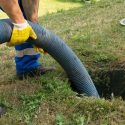
Plumber using hydro-jetting equipment to clear outdoor clogged pipes, emphasizing professional plumbing services and maintenance.How To Clean Out Outdoor Clogged Pipes

Before homeowners can start to clear a pipe clog, they need to find the exact cause first. If the cause is not fixed, no matter how much cleaning and procedures are done, it will continue clogging.

There are a few tips that homeowners can try on their own, but there is no guarantee they won't work without a professional plumbing expert's help. For example, snakes can be placed into drains and pull out any blockages. If it is too deep, hydro-jetting is necessary. When hydro-jetting, a lot of pressured water is blasted through the pipes to clean and clear them of debris.

Plumbing companies only do this because finding a hydro-jetting machine and hose is not easy. If not done right, the blast of water can also damage other pipes, homes, and structures.

About B&L Plumbing and Heating

The technicians in B&L Plumbing and Heating are amazing and have years of experience in the plumbing field. These technicians work long hours to complete 24/7 emergency requests and provide excellent service. Homeowners interested in plumbing services should call B&L in the Colorado Springs, CO area.