Why Install a Tankless Water Heater?

why install a tankless water heater?, 6xym8wwtttleejqx3oupgpok1igxlt5ksdvoiuep

Three Reasons to Go Tankless This Year

As tankless water heaters become increasingly popular, many homeowners are seeking information on this new style of water heater for their homes. Traditional water heaters with tanks only last between ten and fifteen years. And given the more efficient tankless versions, it only makes sense for homeowners to research whether a tankless heater is right for them. After all, increased efficiency should translate to savings on energy bills. But what exactly are the benefits of installing a tankless water heater? Read on to discover the three major advantages of tankless water heater installation. 

Increased Energy Efficiency

Piggy bank held by two people, symbolizing savings and financial efficiency related to tankless water heater energy savings.Tankless water heaters work by heating water as needed. This is why they're often called on-demand water heaters. Their ability to heat water quickly to be delivered is where much of the energy efficiency comes from. Traditional storage water heaters keep the water at a set temperature all day, even if the water won't be used for hours at a time. This makes it convenient for homeowners, but it's a tradeoff because keeping that water at a temperature takes energy. 

However, tankless water heaters aren't ideal for every household. One tankless heater can handle about 41 gallons of water a day (or less) while being between 20% and 35% more efficient than storage water heaters. For households that use more than 41 gallons a day — or use hot water at multiple faucets throughout the house simultaneously — it's often better to install more than one tankless heater to handle the simultaneous hot water use. Fortunately, installing more than one tankless heater in the house can provide even more energy savings. 

Neverending Hot Water Supply and Space Savings
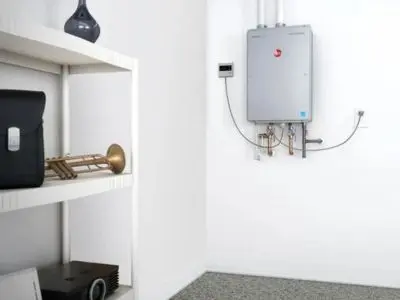
Tankless water heater mounted on a wall in a modern, minimalist space, showcasing efficient hot water supply and space-saving design, with a shelf displaying various items including a brass instrument.Since tankless water heaters don't need large storage tanks, they're more space-efficient than their storage counterparts. This can be a huge benefit for those who don't have enough storage space. Similarly, they're ideal for installation in tiny homes, mobile homes, and other small dwellings. While this may not be the biggest selling point for homeowners, it's certainly something to consider. 

A major benefit is that tankless water heaters never run out of hot water. Since the water is quickly heated as soon as needed, there's no chance of running out of hot water, which can happen with a storage water heater. 

Tankless Water Heaters Last Longer

Because traditional water heaters constantly have water in their tanks, they don't last nearly as long as tankless water heaters. When a tank fails on a storage water heater, it's best to replace the entire unit instead of trying to repair the tank. That said, storage water heaters generally last between 10 and 15 years. Conversely, tankless water heaters have a lifespan of 20 years or more

While the upfront costs of tankless water heater installation are generally higher than those of storage water heaters, they tend to pay for themselves in just a few years. Of course, this depends on the exact hot water habits of the household. This is why it's always good to consult a professional plumber to determine if tankless water heater installation is the best move for the household. 

About B&L Plumbing and Heating

The friendly professional at B&L Plumbing and Heating has been serving Colorado Springs, CO, since 1999. B&L is a veteran-owned company that provides no-mess service at a competitive price. Plus, they never charge after-hours fees. Contact them today for tankless water heater installation in Colorado Springs, CO. 

Distribution Links +

The Dangers and Warning Signs of a Faulty Heater

the dangers and warning signs of a faulty heater

Common Heating Hazards and How To Spot Them

Winter is here, and Colorado homeowners are now relying on their heating systems every day to keep their homes warm and cozy while the snow falls and the icy wind howls outside. And with all that usage, this is the prime time for heating problems to rear their ugly heads. 

Some heating issues can increase the heating bills, leave the house feeling chilly, or even take the heater out of commission for a day or two. But as scary as those scenarios are, other heating problems can be even scarier – and more dangerous. This article will explain the biggest dangers of a faulty heater and how homeowners can identify them.

Carbon Monoxide Leaks

Perhaps the most terrifying of all heater problems is a carbon monoxide leak. In gas or oil-burning furnaces, any carbon monoxide produced by the fuel combustion is vented through the flue or exhaust vent. But if the flue or exhaust pipe leaks (due to corrosion, damage, etc.), it can cause carbon monoxide to enter the home. CO leaks can also occur due to a faulty pilot light or cracked heat exchanger.

Carbon monoxide poisoning is a very serious health risk, as it can cause unconsciousness, damage to internal organs, and even death. To protect against a carbon monoxide leak, homeowners should install CO detectors throughout the home (particularly near the furnace or other gas appliances) and have their heater serviced by a professional every year. If they notice any symptoms of CO poisoning, such as headaches, nausea, dizziness, shortness of breath, chest pain, fatigue, or confusion, they should exit the home and call their local emergency services at once.

Mold Growth Inside the Heater or Air Ducts

Woman in a green sweater covering her nose, reacting to unpleasant odor, highlighting potential mold issues in home air ducts or heating systems.Another dangerous issue to watch out for is mold development inside the home’s air ducts or the heater. Mold growth is most common in heat pump systems, which function as heaters and air conditioners. In cooling mode, the unit helps remove moisture from the home’s air, condensing it from vapor into liquid. If this liquid doesn’t drain away immediately, it can facilitate mold growth very quickly, and that mold can survive inside the unit all year round. The mold spores can then spread to the home’s air ducts and throughout the home as air flows through the system.

Mold in the heating system or ductwork can have negative health outcomes. It can cause respiratory irritation or infections, exacerbate allergies and asthma symptoms, and significantly reduce indoor air quality. If homeowners develop any of these symptoms, notice a musty smell, or can see mold growth in their air ducts or in and around their heater, they should call a professional for a heater cleaning or air duct cleaning as soon as possible.

Overheating

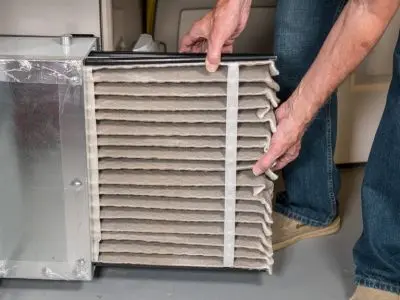
Person replacing a dirty furnace filter to prevent overheating and ensure proper airflow in heating systems.Lastly, overheating a heater or furnace can be extremely dangerous and surprisingly common. Overheating can occur for various reasons, such as restricted airflow (usually due to a dirty furnace filter), short cycling (the unit frequently turns on and off), faulty internal components, or old age. 

Overheating can cause the heat exchanger to crack (as mentioned above, lead to a carbon monoxide leak), damage the blower motor or other key components, and even cause a furnace fire. Some signs of an overheating furnace include burning smells, a loud humming noise from the heater, or shutting down before the thermostat reaches the correct temperature.

If homeowners notice these signs, they should immediately turn the system off and call a professional for heater repair. To help prevent overheating in the first place, homeowners can replace their HVAC air filter(s) every 1-3 months and schedule regular heating maintenance (ideally once every autumn) with a professional to help catch and resolve any issues that may lead to overheating – as well as the other issues mentioned above!

About B&L Plumbing and Heating

B&L Plumbing and Heating has been handling Colorado Springs homeowners' and business owners' plumbing and HVAC needs since 1999. Their commitment to quality workmanship, outstanding customer service, and impeccable reliability has earned them numerous 5-star reviews and awards – they were even named the “Best Emergency Plumbers in Colorado Springs” by Expertise.com. They offer competitive up-front pricing, a money-saving maintenance plan, and 24/7 emergency response with no after-hours fees, so call B&L anytime for heating repair in Colorado Springs, CO!

Distribution Links +

Professional Tips to Prevent Frozen Pipes Over the Winter

professional tips to prevent frozen pipes over the winter, hborncajxbur2xabehxnjcmvzqthubdotmlinrgf

Preventing Frozen Pipes During the Winter

Winter is coming, and temperatures have already dropped. It’s time for homeowners to prepare everything for the winter so that their home is ready to weather the season. One of the main aspects of winterizing the home in the fall is preparing the plumbing to withstand the cold. 

During the winter, the pipes in the home can take a lot of abuse. When temperatures drop below freezing, pipes that aren’t properly protected can freeze. Frozen pipes have a lot of potential to cause damage around the home, so owners must take steps to prevent them. Here is a quick guide to help owners prepare their plumbing for winter. 

The Dangers of Frozen Pipes 

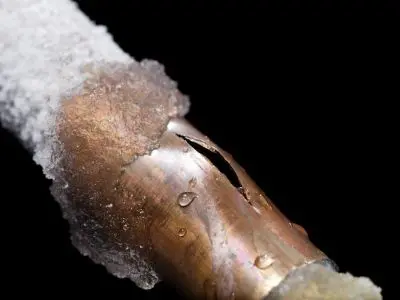
Frozen copper pipe with a visible crack and ice buildup, illustrating the dangers of frozen pipes during winter.The water inside the piping is susceptible to freezing. Once the temperatures dip below 32 degrees, water will slowly freeze. The further the temperature drops, the faster this process will be. 

A frozen pipe by itself is a hassle. Losing access to water at a sink or outdoor spigot may be an inconvenience, but the real danger of frozen pipes lies in the damage they can do when a pipe bursts. As water inside the piping freezes, it expands with shocking force. Freezing water is capable of causing plastic and metal pipes to burst. Once the pipe starts to thaw, the water pressure in the plumbing system will push the ice plug out, and flooding can happen within seconds. The amount of work that goes into fixing the damage from the flood far outweighs the cost of taking precautions. 

Can Pipe Insulation Help? 

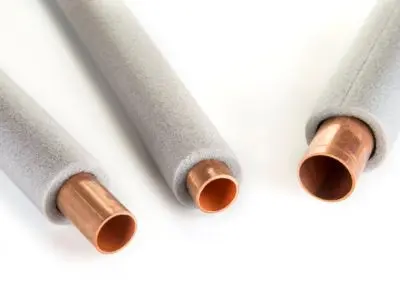
Pipe insulation sleeves covering copper pipes, demonstrating a solution to prevent frozen pipes and plumbing damage during winter.The first tool to help prevent frozen pipes and the resulting burst pipes is a product called pipe insulation. Indeed, pipe insulation is so good at its job that it is often the only tool homeowners need to completely protect their plumbing during the winter. 

Insulation for pipes works by wrapping all exposed piping in a cozy layer of fiberglass or foam. Pipe insulation comes in long sections split longitudinally so they can be slipped over stretches of pipes. The split is taped shut using duct tape or reflective tape so no cold air can slip into the joint. This slows down the heat exchange with cold air to keep pipes warmer for longer. 

More Tips for Preventing Frozen Pipes 

While pipe insulation can go a long way towards protecting pipes during the winter, it isn’t the best option in some cases. The best advice is to have a plumbing contractor inspect the plumbing before the winter comes so they can come up with the best option for every situation. Some of the alternatives they may suggest for pipes that may be subject to freezing are: 

  • Rerouting pipes that are in poorly insulated exterior-facing walls
  • Insulating or rerouting pipes that are in attics
  • Leaving faucets dripping so warmer water is always moving through pipes
  • Installing heat tape for large pipes to protect them in extreme cold snaps
  • Upgrading exposed pipes to PEX or other materials that are more burst-resistant 

About B&L Plumbing and Heating

Commercial and residential owners can protect their piping in the winter with help from B&L Plumbing and Heating. Their experts quickly deal with burst pipes and insulate pipes to prevent winter problems. Call today for professional plumbing services in Colorado Springs, CO. 

Distribution Links +

Don't Let a Plumbing Emergency Scare You This Halloween

don't let a plumbing emergency scare you this halloween

Don’t Let Plumbing Problems Haunt Your Home

Halloween may put everyone in a haunting mood, but that doesn’t mean homeowners should be allowed to get spooked by a potential plumbing emergency - not when there are plenty of simple and easy ways to avoid this. Below are the three most effective ways to keep a home’s plumbing system healthy, flowing, and clog-free.

How To Avoid A Sewer Line Clog

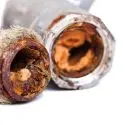
drainTo prevent a plumbing emergency, preventing clogs should be a priority. Not only is a clogged sewer line one of the primary reasons behind sewage backups, but it is also among the causes behind some of the most common plumbing problems experienced at home, such as burst pipes and flooding.

Fortunately, preventing a clog from forming within a home’s plumbing system isn’t particularly difficult. This can be done simply by practicing correct waste disposal habits at home. Something as straightforward as keeping grease and other oily food from making its way down the kitchen drain is a good start. This is because oil and grease may go down in liquid form at disposal but tend to solidify once they cool inside the pipes, creating a stubborn clog. Similarly, food scraps should also be disposed of in the trash, not in the kitchen drain, even with a garbage disposal, which should be used only for small food scraps. 

Bathroom drains and toilets should also be well cared for. Homeowners would install drain protectors to keep hair and other debris out of the shower drain and be mindful of the things that get flushed down the toilet. Small quantities of toilet paper are okay; cigarette butts, wipes, copious amounts of toilet paper, feminine hygiene products, and other large, non-biodegradable materials are not. 

Maintain the Plumbing System

Prevention is the key to avoiding a plumbing emergency, which means investing in regular plumbing maintenance. Having a licensed, professional plumber come in at least once a year to inspect the pipes, check for leaks, and examine the overall health of the plumbing system helps homeowners nip minor problems in the bud before they become big issues that may end up creating a world of inconvenience or costing a lot of money to fix.

As part of yearly maintenance efforts, plumbers can also prevent a sewage backup by cleaning drainage, which helps clear any accumulation within the pipes. Hydro jet drain cleaning can address more stubborn blockages, which employing a jet of highly pressurized water that is effective at removing even the most persistent clogs.

Don’t Forget To Maintain the Water Heater Too

water heater maintenanceWhile drainages and pipes are understandably the priority for plumbing maintenance, water heaters shouldn’t be neglected either since they are also connected to the plumbing system. Water that courses throughout a home’s plumbing system often goes through the water heater, so this very important household appliance - be it a traditional storage tank heater or a tankless one - deserves just as much care as plumbing.

Taking time to have a professional conduct water heater maintenance by checking the water heater for leaks, loose connections, or other damage, as well as regularly flushing the system to get rid of minerals and sediment that may affect its performance, will go a long way in helping prevent plumbing disasters at home.

About B&L Plumbing and Heating

B&L Plumbing and Heating is the trusted plumbing solutions provider in the Colorado Springs area. With a full menu of plumbing services that range from sewer repair and drain cleaning to kitchen plumbing and water softener repair and installation, B&L offers fast and reliable service available 24/7. Not only do they provide quality products and services, but they also make sure their pricing is competitive and that their plumbers leave homes clean and mess-free, giving customers peace of mind and the right education to keep the same problems from happening again. Call them today for plumbing service in Colorado Springs, CO.

Distribution Links +

3 Ways To Help Prevent Sewer Line Clogs

ways to help prevent sewer line clogs

Say Goodbye To Drain Clogs!

A clogged sewer line is one of the most frustrating plumbing issues homeowners can face. Since the sewer line handles the wastewater from all of the home’s drains, if it becomes clogged, it can affect every drain in the house. This can lead to nasty odors, slow-moving drains, and even sewage backups – so homeowners must do everything they can to avoid clogs. This article will outline three easy ways to help prevent drain clogs and keep the home’s plumbing system flowing smoothly!

Schedule Professional Drain Cleaning

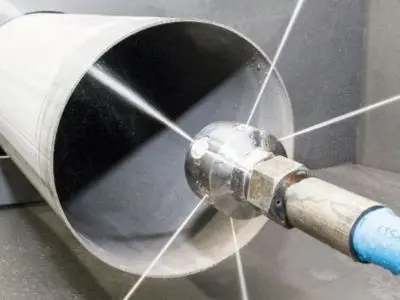
Hydrojetting machine nozzle cleaning sewer pipes, demonstrating professional drain cleaning services to prevent clogs.The first way to prevent clogged sewer lines is to have the home’s drains cleaned by a professional as part of routine plumbing maintenance. Drain cleaning typically involves using a hydrojetting machine like a pressure washer for drain pipes. A drain cleaning technician will open the home’s sewer line cleanout and feed in a hose with a high-powered water nozzle, breaking blockages apart and cleaning residue off the pipe walls.

Hydrojet drain cleaning can also remove clogs and nasty buildup from the home’s drain pipes, reducing the likelihood of future clogs. For most homes, professional drain cleaning can be done once every 1-3 years, depending on how well the homeowners maintain their drains themselves (more on that below). 

Put Mesh Drain Screens In Sinks and Showers

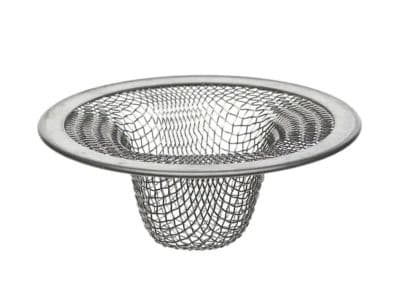
Mesh drain screen for sinks and showers designed to capture hair and food solids, preventing clogs and promoting effective drainage.Homeowners can help prevent drain clogs between drain cleaning services by limiting how much debris goes down the drains. One great way to do this is with mesh drain screens, which capture larger objects while still allowing water to go through. Things like hair and food solids contributing to clogs will be stopped from going down the drains, drastically lowering the chance of clogged pipes.

Drain screens and hair catchers are designed for virtually every kind of drain, so this is a convenient and inexpensive way to keep as much solid waste out of the drains as possible.

Limit What Food Waste Goes Down the Kitchen Sink

The kitchen sink is one area where drain screens come in handy the most, thanks to all the food waste and scraps from dirty dishes and food prep. Of course, some kitchen sinks have garbage disposals to break food solids into smaller particles. But even if homeowners use a garbage disposal or mesh screens, some food items can still cause problems.

Cooking oil and grease are two of the biggest culprits behind sewer line clogs since they can get stuck in the sewer line and solidify as they cool, forming a mire that captures other bits of waste. Instead of putting grease and oil down the drain, homeowners can put them in sealed containers and throw them in the trash bin. Things like coffee grounds and eggshells can also get stuck in pipes and should be put in the trash instead.

By utilizing the tips above, homeowners can prevent the vast majority of drain clogs and keep their plumbing systems clean and in great shape!

About B&L Plumbing and Heating

The award-winning B&L Plumbing and Heating has been serving Colorado Springs with pride since 1999. Their trustworthy, licensed technicians always arrive on time in fully-stocked trucks and do the job right the first time. They offer up-front competitive pricing, personalized solutions, a money-saving maintenance plan, and 24/7 emergency service with no after-hours fees – so there’s no one better to call for drain cleaning services in Colorado Springs, CO!

Distribution Links +