

What Is Plumbing Maintenance – And Why Does It Matter?
Homeowners understand that nearly every aspect of a house requires regular attention and upkeep to remain in good shape, and the plumbing system is no different. While it may seem like just a network of pipes, valves, and fixtures, these components can wear down or develop issues over time due to age, environmental conditions, and daily usage.
Regular plumbing maintenance is the most effective method to keep the system functioning properly and in good shape. However, what does plumbing maintenance actually involve? This article will outline the details of plumbing maintenance and the numerous advantages it offers to homeowners.
Plumbing Maintenance Benefits
 There are many advantages to maintaining plumbing systems. The most apparent benefit is that it helps avert significant plumbing issues and emergencies – such as clogs and leaks. In this regard, routine maintenance can prevent or at least lessen the necessity for plumbing repairs or early replacement of components and fittings. Consequently, homeowners will avoid incurring expenses on these services.
Plumbing maintenance also helps save money in other ways. Take water leaks, for instance. The average household can lose an estimated 10,000 gallons of water per year due to plumbing leaks. That can add up to a hefty water bill. Regular maintenance allows homeowners to catch and fix these leaks.
Likewise, plumbing maintenance can improve water heater efficiency, reducing energy bills. Regular maintenance can also extend the lifespan of the plumbing system and the plumbing fixtures connected to it (toilets, faucets, showerheads, appliances, etc.), which saves money on plumbing replacement and repair in the long term.
Schedule Maintenance With a Qualified Professional
Many homeowners might feel tempted to handle plumbing upkeep on their own. However, aside from occasional drain cleaning with safe household remedies—such as baking soda and vinegar—it's advisable to leave general plumbing maintenance to the professionals. They possess the training, experience, and specialized tools needed to spot, diagnose, and resolve a wide range of issues effectively.
During a routine maintenance visit, a professional plumber will generally follow a long checklist of tasks, including:
- Inspecting pipes for leaks and corrosion.
- Measuring water pressure (and adjusting the pressure regulator if necessary).
- Testing water quality (for hardness, acidity, heavy metals, etc.).
- Cleaning faucet aerators.
- Checking valves and fixtures for leaks.
- Inspecting drains and cleaning if necessary.
- Checking backflow prevention devices (to prevent contamination of potable water with wastewater).
- Testing the sump pump (if applicable).
- Servicing the water heater.
A typical plumbing maintenance visit takes anywhere from 1-3 hours, depending on what needs to be done. Most plumbing experts recommend that homeowners schedule plumbing maintenance services once per year to yield the greatest benefit.
Maintaining the Water Heater
 One of the most important aspects of plumbing maintenance is the water heater inspection and tune-up. This deserves its own checklist of maintenance tasks, such as:
- Checking for leaks in the unit and its connecting pipes.
- Testing the T&P (temperature & pressure) relief valve for proper function.
- Calibrating the thermostat.
- Inspecting the pilot light and gas burners (and cleaning or adjusting them if necessary).
- Check the exhaust flue for leaks or clogs.
- Flushing the water storage tank to remove sediment.
- Inspecting the anode rod (an anti-corrosion device inside the tank) and replacing it if necessary.
- Checking electrical connections and safety devices.
A lack of maintenance is the number one cause of water heater problems and breakdowns, so this is a vital part of preventative plumbing maintenance. Not only will it help homeowners avoid shelling out for water heater repair, but it will also help extend the life of the unit and boost its energy efficiency. And since plumbing maintenance is generally a low-cost service, it’s an investment homeowners won’t regret!
About B&L Plumbing and Heating
The veteran-owned B&L Plumbing and Heating has provided unbeatable plumbing services in Colorado Springs since 1999. As a testament to their outstanding customer service and workmanship, they have 5-star ratings on Google and Facebook and have won numerous awards, including HomeAdvisor’s Elite Service Award and Expertise.com’s “Best Of” award. They offer competitive up-front pricing, a money-saving maintenance plan, and 24/7 emergency plumbing service with no after-hours fees – so there’s no one to call for plumbing maintenance in Colorado Springs, CO!
)
Distribution Links +
- https://smb.lobservateur.com
- https://smb.panolian.com
- https://smb.alexcityoutlook.com
- https://smb.americustimesrecorder.com
- https://smb.atmoreadvance.com
- https://smb.amnews.com
- https://smb.austindailyherald.com
- https://smb.americanpress.com
- https://smb.dailyleader.com
- https://smb.oxfordeagle.com
- https://smb.vicksburgpost.com
- https://smb.bluegrasslive.com
- https://smb.claiborneprogress.net
- https://smb.clantonadvertiser.com
- https://smb.brewtonstandard.com
- https://smb.demopolistimes.com
- https://smb.elizabethton.com
- https://smb.greenvilleadvocate.com
- https://smb.jessaminejournal.com
- https://smb.kenbridgevictoriadispatch.com
- https://smb.leaderpub.com
- https://smb.luvernejournal.com
- https://smb.selmatimesjournal.com
- https://smb.thesnaponline.com
- https://smb.troymessenger.com
- https://smb.windsorweekly.com
- https://smb.clemmonscourier.net
- https://smb.gatescountyindex.com
- https://smb.harlandaily.com
- https://smb.irontontribune.com
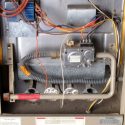
 Carbon monoxide is a product of the combustion of fossil fuels, especially in furnaces. The biggest concern in the home is the release of carbon monoxide from natural gas or propane appliances.
  HVAC systems are responsible for moving air around the home and cleaning it up simultaneously. Air filters are in place to keep dust out of the moving parts of the furnace and the ductwork to clean up the air.
 )

 Water is the nutrient that people need the most besides oxygen. When people are stuck consuming water that is biologically safe but possibly laden with chemicals, it can manifest in the health of individuals in the home.
  Most homes could benefit from some form of water filtration. For more assurance that
 )
 The weather during the last month of summer and the first of fall is usually mild enough for homeowners to stop heating or cooling their homes. This grants them some reprieve from the high bills that come with climate control systems. However, as temperatures drop and the heater runs more often, bills will quickly climb to the point that they can strain monthly budgets. The best thing that homeowners can do to prevent this is to improve the energy efficiency of their heaters with fall heater maintenance.
  Another huge liability of the heater system during the winter is the cost of repairs. Monthly energy bills are high due to the heating system, and one repair can dwarf the monthly energy cost. To keep the home warm without suffering from surprise repairs, homeowners should invest in heater maintenance.
 )
 A normal functioning water heater is expected to supply hot water at a consistent temperature until the tank’s supply is depleted. As hot water is used, cold water fills the tank, and heating elements or burners kick on to warm it up for use. After a certain amount of hot water is used, the temperature will drop.
 One of the biggest signs of failure for water heaters is the presence of leaks. Most components of water heaters can be replaced or repaired, but once the tank leaks, the unit will fail quickly. Spot leaks by looking for signs like:
 )